
Most hardware companies treat their customers like toddlers who shouldn't be allowed near the stove. When a product fails, the corporate instinct is to obfuscate, hide the schematics, and funnel the user toward a proprietary repair center where the solution is usually a full motherboard replacement. Framework recently upended this dynamic by leaning into its own failures, proving that a 'bricked' device isn't a brand death sentence if the manufacturer provides the user with the tools to fix it themselves.
The Architecture of Accountability
The specific issue involving the Real-Time Clock (RTC) battery on the Framework Laptop 13 (11th Gen Intel Core) was a genuine engineering hurdle. For those who left their devices unplugged for long periods, the laptop simply stopped booting—a classic 'brick' scenario that would usually require a trip to a landfill or a costly out-of-warranty repair. Instead of issuing a vague apology, Framework published a detailed guide on how to perform a manual reset and, more importantly, offered a permanent hardware fix involving a small interposer board.
This isn't just about a battery; it's about the fundamental philosophy of who owns the object. In a traditional consumer relationship, you purchase a license to use a device until the manufacturer decides it is obsolete. By providing the literal schematics and soldering instructions to bypass a design flaw, Framework transitioned from a vendor to a partner. They acknowledged that hardware is hard, mistakes are inevitable, and the user is capable of handling the truth.
The Failure of the Genius Bar Model
For decades, the industry standard has been the 'Genius Bar' approach—a gatekept system designed to minimize user agency. When a MacBook logic board fails due to a known design flaw, the user is often told the device is 'vintage' or that the repair costs 80% of the original MSRP. This creates a culture of disposable technology where the solution to every problem is a new purchase. It is an environmentally and economically bankrupt model that relies on the user remaining ignorant of what is happening under the chassis.
Framework’s response to its BIOS and battery controller issues strips away this mystery. By documenting the failure in technical detail, they removed the panic associated with a broken device. When you understand why a machine isn't turning on, the frustration evaporates and is replaced by a project. This shift from 'consumer' to 'maintainer' is the most significant psychological change in the electronics market in twenty years. It turns a PR disaster into a community-building exercise.
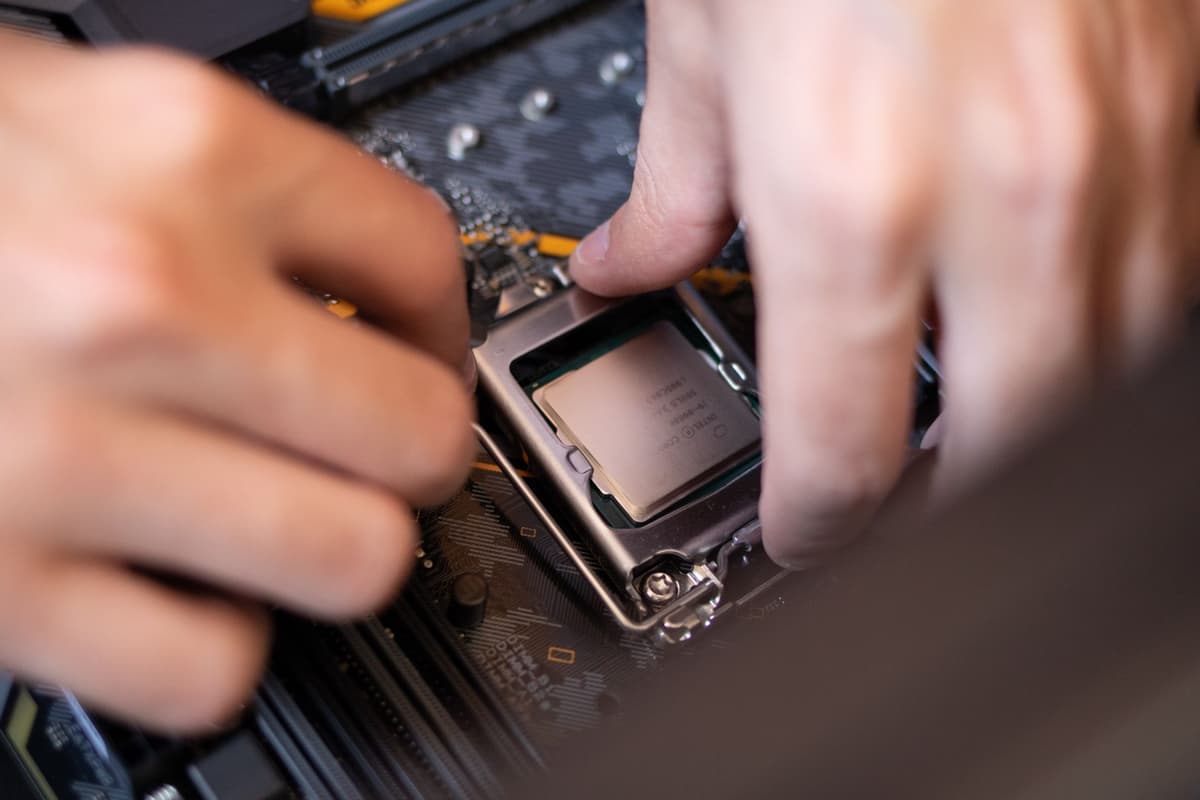
Photo by Athena Sandrini on Pexels
Engineering for Longevity Over Aesthetics
There is a specific cost to this transparency. Framework laptops are slightly thicker than their competitors and they don't feature the seamless, unibody construction that tech journalists love to praise. However, that 'seamlessness' in other products is often just a euphemism for glue and proprietary pentalobe screws. Framework has wagered that a significant portion of the market prefers a device they can understand over a device that is 2mm thinner.
The recent release of the Laptop 16 and the continued support for the original 11th Gen models via firmware updates and hardware workarounds shows a commitment to the 10-year lifecycle. Most laptops are lucky to see three years of primary use before a single failed component—a keyboard, a charging port, a battery—renders the entire unit e-waste. By making every part, including the BIOS chip and the battery controller, a known quantity, Framework has created a product that can actually be maintained rather than just used.
What This Actually Means
The success of Framework's 'transparency-as-a-feature' model suggests that the tech industry has vastly underestimated the intelligence and desire for autonomy in its user base. We are moving toward a 'Post-Disposable' era where the value of a product is measured by its repairability score rather than its clock speed. If a company is willing to tell you exactly how they messed up and how you can fix it with a $5 part, they have earned a level of brand loyalty that no marketing campaign can buy.
This is a call to action for the rest of the industry. The era of the black box is ending because it is no longer defensible. Consumers are increasingly aware that 'sleek' often means 'unserviceable' and 'integrated' often means 'disposable.' When the hardware is designed to be interrogated, a technical failure isn't a reason to switch brands; it’s an opportunity to learn how your world actually works. Framework didn't just fix a battery issue; they fixed the broken relationship between the creator and the user.
Quick Answers
Is my Framework laptop actually at risk of bricking?
Only certain older models (specifically 11th Gen Intel) face the RTC battery drain issue, and Framework has provided both firmware updates and hardware bypasses to resolve it permanently.
Why don't other companies like Apple or Dell do this?
Their business models rely on high-volume turnover and proprietary service fees, whereas Framework's model focuses on selling modular upgrades over a longer period.
Do I need to be an engineer to fix these issues?
No. Framework provides step-by-step visual guides that are designed for anyone who can handle a screwdriver, making complex repairs accessible to the average user.


