A Moment of Silence for the Landfills
We should all take a moment to mourn the loss of the 'disposable' lifestyle. For years, we had a flawless system: you buy a device, it works for eighteen months, a software update makes it stagger like a marathon runner in a desert, and you throw it in a hole in the ground to buy the next version. It was clean, it was efficient, and it kept the quarterly earnings reports looking like a vertical line.
Then came the Bit Pirate and its band of hardware-hacking enthusiasts. These people have the audacity to suggest that if you paid $800 for a device, you should maybe—just maybe—be allowed to fix it when it breaks. They are using ESP32-based kits to bypass the proprietary software locks that manufacturers so lovingly installed to protect you from your own property. It is a tragedy of the highest order for the planned obsolescence industry.
The Audacity of Owning Things
The Bit Pirate is essentially a skeleton key for the digital age. It speaks the languages your devices use to talk to themselves—I2C, SPI, UART—and it does so with a level of disrespect for 'Warranty Void If Removed' stickers that is frankly refreshing. By hooking this little board up to a bricked smart-fridge or a locked-down scooter, users are performing what the industry calls 'unauthorized repairs' and what the rest of us call 'not being a sucker.'
Manufacturers argue that these software locks are for our safety. They are deeply concerned that if you replace your own battery, the device might become sentient and judge your browsing history. In reality, these locks are digital rust. They are designed to ensure that even if the hardware is pristine, the soul of the machine can be remotely extinguished by a server in Cupertino or Seoul. The E-Waste Insurgency isn't just about screwdrivers; it is about reclaiming the right to exist outside of a subscription model.
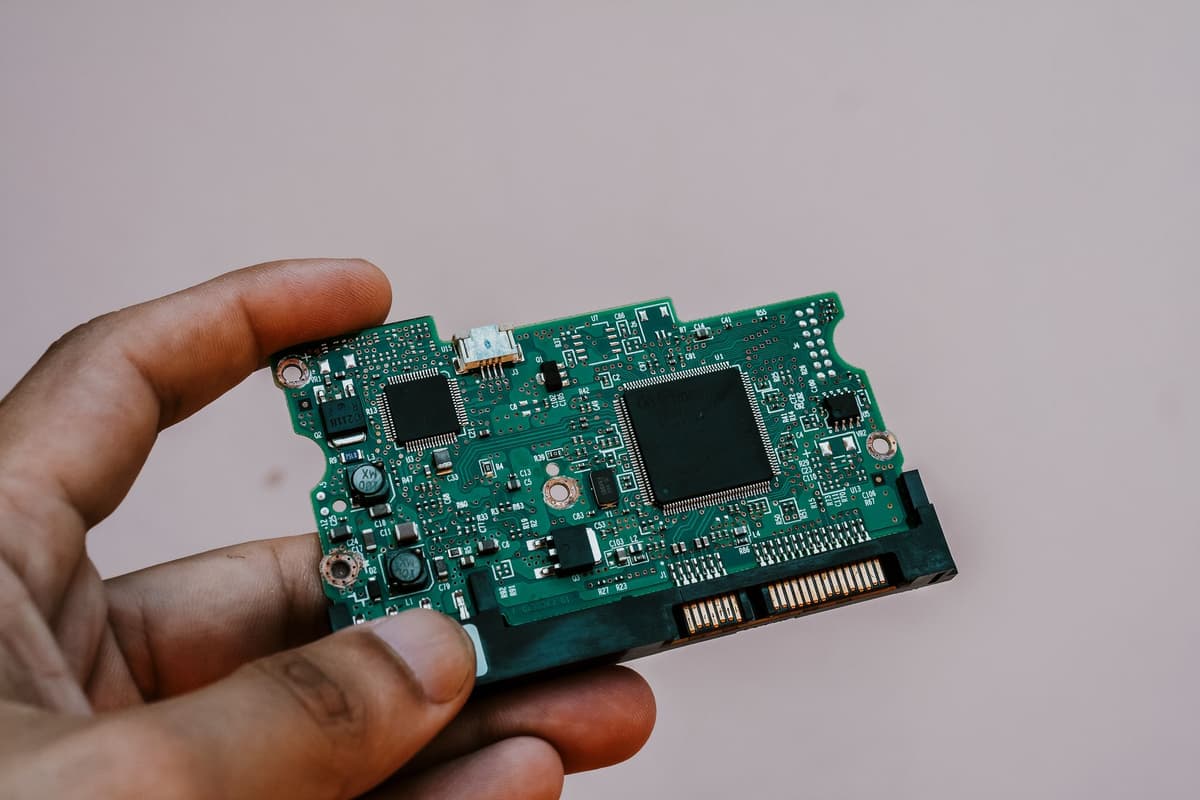
Photo by Arturo Añez. on Pexels
Silicon Immortality Is a Budget Problem
There are currently over 50 million metric tons of e-waste generated every year. That is roughly the weight of 4,500 Eiffel Towers, if those towers were made of cracked iPhone screens and dead Fitbits. The environmental movement used to be about buying slightly less plastic or feeling good about a canvas tote bag. The Bit Pirate turns sustainability into a technical act of rebellion. It turns 'reduce, reuse, recycle' into 'solder, flash, override.'
- The $15 Fix: A Bit Pirate kit costs less than a single 'certified' repair consultation at a big-box store.
- The Software Wall: Most e-waste isn't broken hardware; it is hardware that has been told to stop working by a line of code.
- The Longevity Hack: With universal kits, a device’s lifespan is determined by the chemistry of its components, not the whims of a marketing department.
This isn't just about saving money. It is about the profound realization that 'the cloud' is just someone else's computer that has decided your hardware is no longer profitable to support. When a company shuts down a server and bricks a thousand 'smart' home hubs, the Bit Pirate is the defibrillator that brings them back to life as 'dumb' (and therefore functional) devices.
The Corporate Heartbreak
Imagine being a CEO who has carefully engineered a product to fail the week after the warranty expires, only to find out some teenager with a $20 ESP32 board and a YouTube tutorial has extended its life by a decade. It is heartbreaking. All that research and development into fragile ribbon cables and proprietary screws, wasted. The rise of these kits means that the 'buy-and-toss' cycle is hitting a snag.
We are entering an era where the most sustainable thing you can do is learn how to communicate with a microchip. The environmentalists of the future won't be hugging trees; they’ll be sniffing solder fumes and dumping firmware. It turns out that the best way to save the planet is to stop treating our belongings like they are on a countdown timer.
What This Actually Means
The 'Right to Repair' movement has moved from the courtroom to the workbench. While lobbyists spend millions of dollars explaining to politicians why consumers are too stupid to handle a T5 Torx driver, the Bit Pirate and its ilk are making the argument moot. You can't legislate against a piece of hardware that can rewrite the rules of your own device.
This is the democratization of technical defiance. We are seeing a shift where the consumer is no longer a passive participant in a product’s lifecycle but an active adversary to its expiration date. If the industry won't give us the 'right' to repair, the hackers will simply provide the tools to take it. It’s messy, it’s unofficial, and it’s the most effective environmental policy we’ve seen in years.
Ultimately, the E-Waste Insurgency is proving that 'obsolescence' was always a choice made by a board of directors, not a law of physics. As long as there are kits like the Bit Pirate, your gadgets might just outlive the companies that made them. And isn't that the most delicious irony of all?
Quick Answers
Is hardware hacking legal?
In many places, it’s a legal grey area, but the 'Right to Repair' laws are slowly catching up to the reality that you should own what you pay for.
Do I need a degree in engineering to use a Bit Pirate?
No, but you do need the ability to follow a GitHub readme and a willingness to accept that you might actually learn how your stuff works.
Will this save the environment?
It won't stop the ice caps from melting, but keeping a 10-pound laser printer out of a ditch for another five years is a better start than buying a 'green' version of the same printer.


