
The Great Blood-Stained Ghost of Palo Alto
Elizabeth Holmes did for biotech what the iceberg did for the cruise industry, except she managed to do it while looking like a high-fashion goth owl. Before the $9 billion collapse of Theranos, you could walk into a venture capital office with a PowerPoint deck, a dream, and a vaguely futuristic haircut and walk out with enough money to buy a small island. Now, if your startup claims it can diagnose a common cold using a single drop of sweat, investors will demand to see your third-grade science fair trophies and a notarized letter from your mother confirming you aren't a compulsive liar.
We are currently living through the 'Theranos Hangover,' and it is a massive, pounding headache for anyone trying to build something cool in health tech. Investors used to be suckers for 'The Vision.' They wanted the charismatic dropout who claimed they could solve death with an algorithm and a sleek piece of plastic. Today, that same charisma is treated like a biological hazard. If you are too charming, they assume you're hiding a literal pile of garbage inside your prototype box.
The Era of the Boring Scientist
The pendulum hasn't just swung; it has detached from the clock and smashed through the floorboards. We’ve entered the age of 'Hyper-Due Diligence,' which is a fancy way of saying VCs now act like they’re auditioning for a role in a forensic crime drama. They aren't looking for the next Steve Jobs anymore. They are looking for the most boring person in the room—someone who speaks in p-values, wears sensible New Balance sneakers, and hasn't smiled since 2014.
- Peer Review or GTFO: If your data hasn't been poked, prodded, and mocked by at least six grumpy professors in a lab in Zurich, it doesn't exist to an investor.
- The Edison Clause: If your hardware looks too good—if it has sleek LEDs and brushed aluminum—investors will immediately suspect it's just a toaster oven with a Wi-Fi chip.
- Voice Checks: If a founder’s voice drops more than two octaves during a pitch, the meeting is legally required to end.
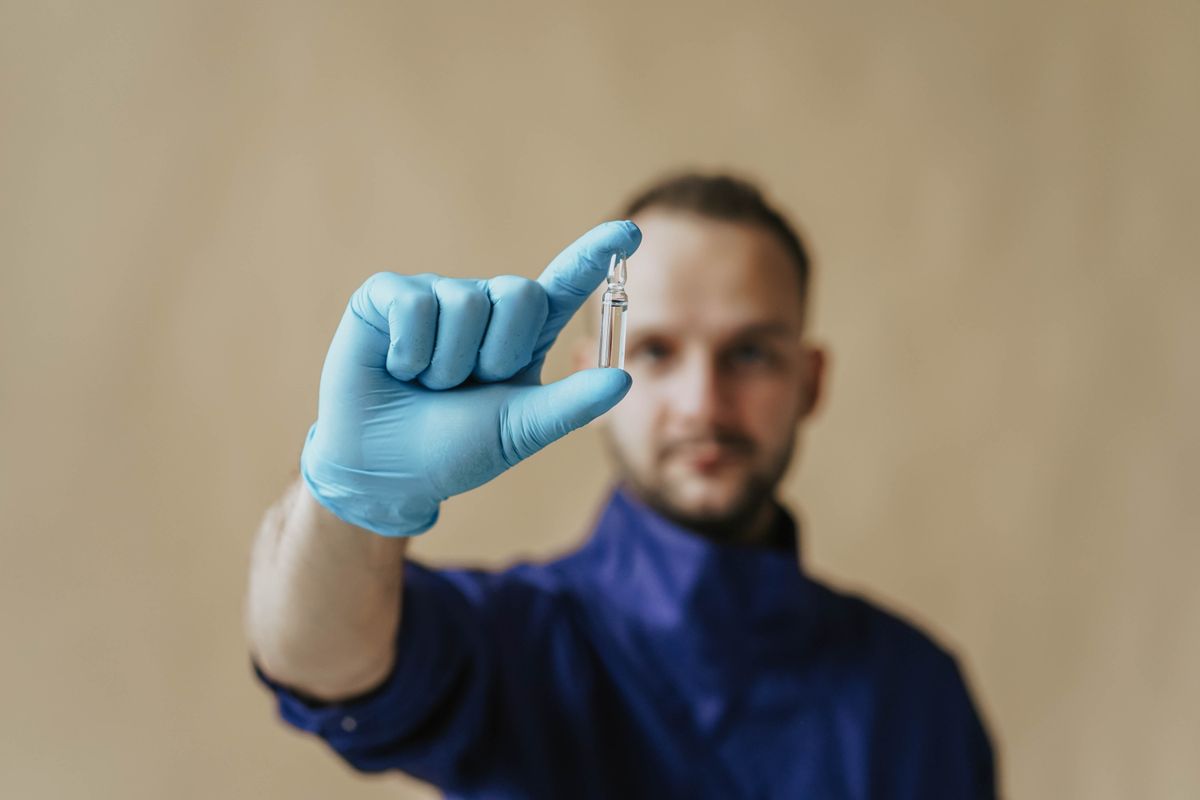
Photo by olia danilevich on Pexels
This shift means that the 'fake it 'til you make it' ethos is dead in the water. In the software world, you can ship a buggy app and fix it later. In the biotech world, 'fixing it later' is called a felony. Investors have finally realized that you can't just A/B test human physiology. This has made the fundraising process about as fun as a root canal performed by an accountant.
Show Me the Receipts, Elizabeth
Back in 2014, the Theranos board of directors looked like a retirement home for the military-industrial complex. You had Henry Kissinger and George Shultz—men who arguably knew everything about global geopolitics but probably couldn't tell the difference between a centrifuge and a salad spinner. That era of 'prestige-washing' is over. Nobody cares if your uncle was the Secretary of State anymore. They want to see the raw data.
I recently heard of a VC firm that hired a private investigator to follow a founder just to make sure they actually had a working relationship with the university they claimed to be partnering with. That is the level of trauma we’re dealing with. It’s like dating someone who was cheated on by their ex; you have to show them your phone every five minutes just to prove you aren't building a fraudulent blood-testing empire in secret.
This 'quantifiable validation' requirement is great for safety, but it’s a nightmare for the weird, fringe breakthroughs. The kind of stuff that sounds impossible usually is, but when it isn't, it changes the world. Now, those fringe ideas are being strangled in the cradle because they can't produce five years of clinical data on a $50,000 budget. We’ve traded the risk of being scammed for the risk of never discovering anything truly wild ever again.
What This Actually Means
The legacy of Elizabeth Holmes isn't just a couple of documentaries and a miniseries where Amanda Seyfried does a really good job with a creepy stare. It is the permanent institutionalization of skepticism. The 'Theranos Effect' has turned the biotech investment world into a high-stakes game of 'I Don't Believe You.' While this keeps the grifters out, it also makes the barrier to entry so high that only the most well-funded, established players can survive.
We are finally prioritizing the 'bio' over the 'tech.' For a decade, Silicon Valley tried to treat the human body like an operating system that just needed a better UI. Holmes proved that biology is messy, stubborn, and doesn't care about your quarterly growth targets. If you want to change medicine now, you can't just be a genius with a marketing degree; you actually have to be right.
Ultimately, the world is safer because of this collective paranoia. We might miss out on a few 'moonshot' ideas because the due diligence process is now a three-ring circus of audits and lab inspections, but at least we won't be building $9 billion companies on a foundation of lies and a dream. And for the love of everything holy, if you’re pitching a startup this week, leave the turtleneck in the closet.
Quick Answers
Can I still use a black turtleneck in my pitch?
Only if you are pitching a turtleneck-themed startup or trying to get arrested for aesthetic crimes. Otherwise, wear a Hawaiian shirt to prove you have nothing to hide.
Is 'fake it 'til you make it' still a valid strategy?
In crypto? Sure. In biotech? Only if you enjoy the flavor of prison cafeteria food and the sensation of being sued by everyone you've ever met.
What is the number one thing investors look for now?
Reproducible data from an independent third party that wasn't paid in ‘exposure’ or equity. If a stranger can’t make your machine work, it’s just a paperweight.


