The Alarming Discovery: Bad News is Literally Bad For You
For years, we’ve been told that doomscrolling is a bad habit. A little vice we indulge in, like a second slice of cake or binge-watching reality TV. But apparently, it’s far more insidious than a mere character flaw. It’s a bona fide medical condition brewing in the digital ether, a slow-burn poisoning courtesy of our beloved smartphones. Researchers, bless their diligent hearts, have finally connected the dots between our obsessive scrolling and a host of nasty inflammatory diseases. Who knew that a steady diet of global catastrophes and political meltdowns could elevate our stress hormones to levels usually reserved for actual bear attacks? It’s almost as if our bodies weren't designed to process existential threats 24/7. Groundbreaking stuff.
They're even coining fancy terms for it, like 'digital cortisol' and the 'neuro-immunological toll.' It sounds profoundly serious, and frankly, it is. We've managed to engineer a new way to make ourselves sick, one infinite scroll at a time. It's a testament to human ingenuity, really. We've conquered diseases, built skyscrapers, and now we've figured out how to induce chronic inflammation with a pocket-sized device. Bravo, humanity.
Welcome to the Age of 'Digital Hygiene'
So, what's the brilliant solution to our self-inflicted digital malaise? Not, you know, logging off or limiting exposure. Heavens no. That would be too sensible. Instead, we’re getting a whole new category of medical interventions: 'digital hygiene.' Yes, you read that right. We need to hygienically manage our digital intake. Apparently, our algorithms are so potent they require specialized medical attention. We’re talking biofeedback devices and wearable tech that can apparently inhibit cortisol production. Because why bother with mindfulness or setting boundaries when you can just strap a gadget to your wrist that tells your body, 'Hey, calm down, that video of a collapsing bridge isn't that urgent'? It’s like putting a tiny, high-tech Band-Aid on a gaping wound caused by an entire industry designed to keep you hooked.
This is peak innovation. We create the problem, then we create a technological solution to the problem we created. It’s a beautiful, self-sustaining ecosystem of anxiety and overpriced gadgets. Imagine the marketing: 'Feeling stressed by the relentless stream of bad news? Try our new Bio-Calm™ wristband! It monitors your digital cortisol levels and gently reminds you to breathe. Side effects may include decreased awareness of global events and an increased likelihood of talking to strangers in person.'

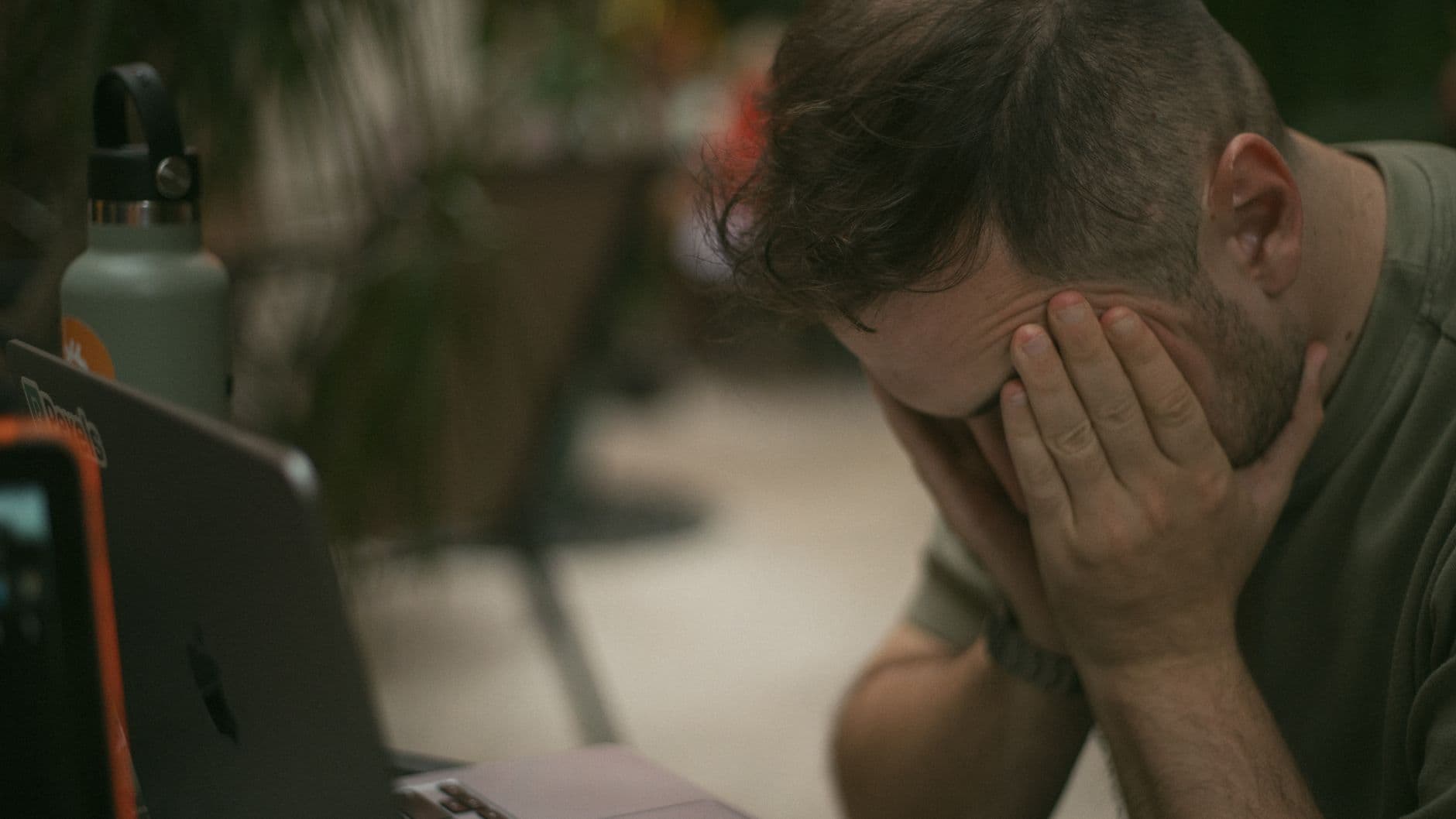
Photo by MART PRODUCTION on Pexels
The Irony is Almost Too Delicious to Swallow
The sheer, unadulterated irony of this situation is enough to make you chuckle, if you weren't already too busy having your nervous system irrevocably altered by a curated feed of doom. We've spent the last decade glued to screens, convinced that staying 'informed' meant absorbing every single piece of alarming information thrown our way. The algorithms, meanwhile, were busy learning exactly what kept our eyeballs locked: fear, outrage, and a morbid fascination with impending disaster. And now, surprise! It's making us sick.
It's as if we've been willingly participating in a long-term, high-stakes scientific experiment without realizing it. The results are in, and they're not pretty. We’re not just mentally drained; we’re physically breaking down. Our immune systems are in revolt, our stress hormones are in overdrive, and our bodies are staging a full-blown protest against the sheer volume of negativity we’re force-feeding them. And the ultimate punchline? The solution isn't a societal shift or a rejection of these addictive platforms, but more tech. More monitoring. More 'management.'
What This Actually Means
What this really means is that the digital world, which promised connection and information, has become another frontier for physiological assault. We're not just talking about mental fatigue anymore; we're talking about tangible health consequences. The idea that we need 'digital hygiene' interventions is, frankly, a chilling indictment of the tech landscape we’ve allowed to flourish. It’s a tacit admission that these platforms are not benign tools but potent forces capable of causing real bodily harm.
So, next time you find yourself lost in a rabbit hole of distressing news, remember that you're not just wasting time or feeling a bit glum. You might be actively contributing to your own future medical bills. And the solutions? They’ll likely involve more data, more sensors, and more ways to optimize your body's response to the very things designed to keep you addicted. It’s a vicious cycle, and one that’s only just beginning to be treated as the medical crisis it has become.
Quick Answers
What is 'digital cortisol'?
It’s a term for the elevated stress hormone levels (cortisol) caused by prolonged exposure to stressful or negative digital content, like doomscrolling.
Can doomscrolling actually make me sick?
Yes, researchers suggest chronic exposure to high-stress information streams can trigger systemic inflammation and other health problems by keeping your body in a constant state of heightened stress.
What are 'digital hygiene' interventions?
These are new medical approaches aimed at mitigating the physiological damage from digital overconsumption, potentially using biofeedback or wearable devices to manage stress responses.
Should I just delete all my apps?
While that's one approach, the emerging medical field focuses on managing the physiological effects rather than solely on abstinence.


