
We all have one: that overflowing drawer or box of cables. The ones for devices long gone, the chargers that don't fit anything, the adapters for ports that ceased to exist a decade ago. It’s a universal truth, but what is it about these defunct digital umbilical cords that makes them so damn hard to toss? It's a fascinating peek into our collective psyche.
The 'Just In Case' Fallacy
Think about it. When was the last time you actually needed that SCSI cable? Or the charger for your original iPod Shuffle? My guess is never, or at best, once in a blue moon, and even then, you probably just bought a new one out of sheer frustration. Yet, we cling to them. It's a classic case of the 'just in case' fallacy, but supercharged by the breakneck pace of technological change.
We live in a world where new standards emerge and disappear faster than you can say 'USB-C.' Remember Mini-USB? Micro-USB? FireWire? Each of those had its moment in the sun, and each left behind a trail of orphaned cables. We're constantly trying to keep up, and this box of digital artifacts feels like a small, personal rebellion against the relentless march of progress. It's like a tiny, tangible safety net against a future where we might suddenly need to resurrect a ghost from our digital past.
The Scarcity Mindset and Future-Proofing
Part of this hoarding impulse surely stems from a scarcity mindset. Back in the day, a charger wasn't just a charger; it was the charger. Lose it, and your device was effectively bricked until you could find a specialty replacement. The idea of universal charging is still relatively new, and even with USB-C, there are always proprietary quirks. This ingrained fear of being stranded without a vital component might be harder to shake than we realize.
But it's not just about scarcity. It's also about a desperate attempt to 'future-proof' ourselves in a world that aggressively resists it. We've all been burned. You buy a new gadget, and two years later, the company releases a slightly tweaked model with a different port, rendering your old accessories useless. That cable box, in its cluttered glory, is our feeble attempt to say, 'Not this time, tech giants! I'm ready for your next curveball!' It’s a quixotic quest, I know, but deeply relatable.
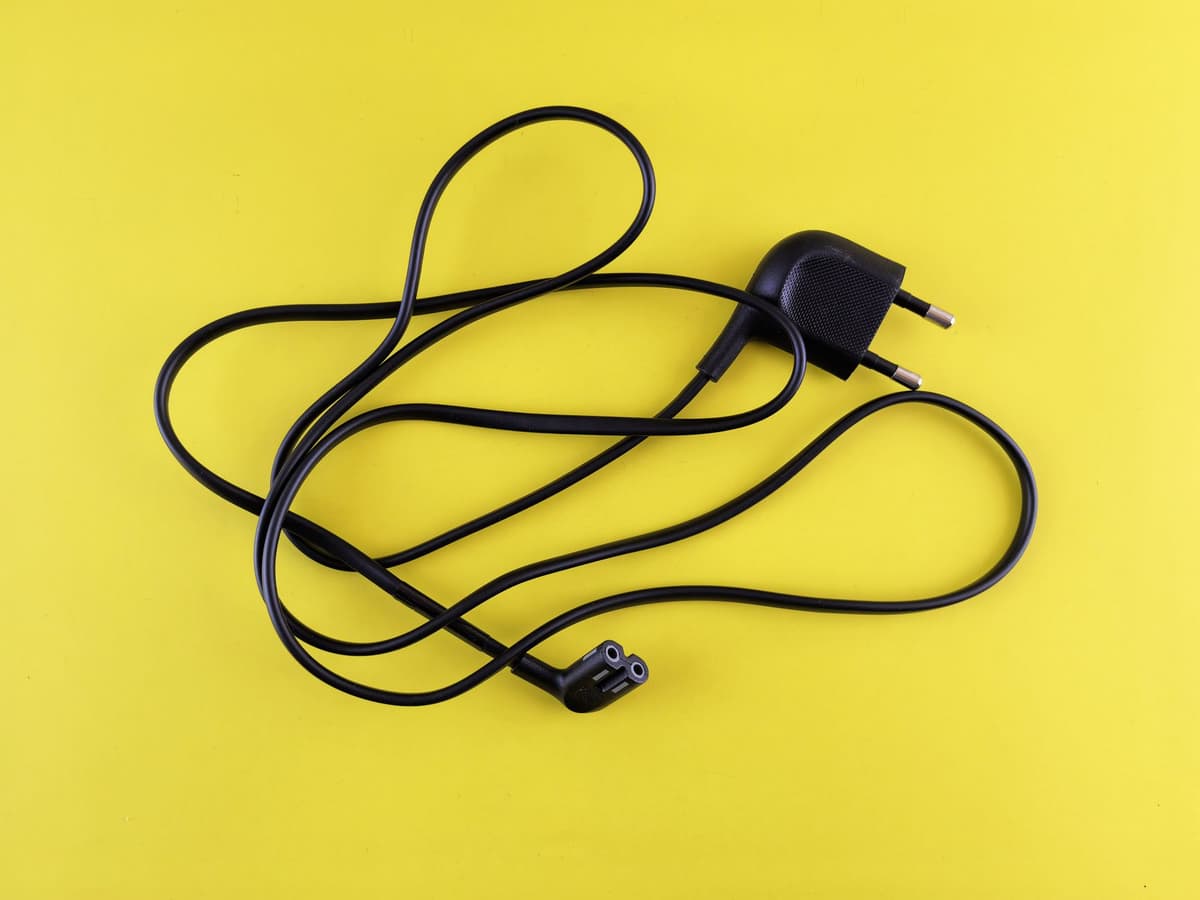
Photo by Andrey Matveev on Pexels
Emotional Attachments and Lost Agency
This might sound dramatic, but I wonder if these cables represent more than just potential utility; perhaps they symbolize lost connections. Each cable once linked us to a device that shaped a part of our lives — a first smartphone, a beloved MP3 player, an old digital camera that captured precious memories. Tossing the cable feels a bit like severing that last, thin thread to a past self or a particular era.
Furthermore, the constant churn of tech standards can feel disempowering. Companies dictate what ports we use, what accessories are compatible, and when our devices become obsolete. Holding onto a box of ancient cables, in a strange way, reclaims a tiny bit of that agency. It's saying, 'I decide when this tech is truly dead, not some product manager in Cupertino.' It’s an almost primal resistance to planned obsolescence, even if it’s an entirely ineffective one.
What This Actually Means
So, what does our collective cable graveyard tell us? It reveals a profound anxiety about control in a rapidly evolving technological landscape. We're surrounded by devices designed for fleeting relevance, and our response is to cling to the physical remnants of their former glory. It's a coping mechanism, a tiny ritual to soothe our fear of being left behind or losing access to our digital lives.
It’s also a stark reminder of the environmental impact of this constant churn. Imagine the sheer volume of e-waste generated by every discarded charger and adapter. Our cable boxes are just the visible tip of a much larger, global problem. Maybe, just maybe, recognizing the psychological drivers behind our hoarding habits could be a small step towards more sustainable tech consumption, or at least, a better understanding of why we can't quite bring ourselves to throw out that ancient FireWire 400 cable.
Quick Answers
Q: Why do people keep old cables they don't use?
A: It's a mix of a 'just in case' mentality, a scarcity mindset from past tech experiences, an attempt to future-proof against rapid obsolescence, and even emotional attachment to devices those cables once served.
Q: Is it bad to hoard old cables?
A: While it creates clutter and contributes to potential e-waste if eventually discarded improperly, the psychological reasons behind it are common and reflect anxieties about technology and control, rather than being inherently 'bad.'
Q: What should I do with my old cables?
A: If you're sure you won't need them, consider recycling them at an e-waste facility. Many electronics stores also offer recycling programs for cables and chargers.
Q: Why are there so many different cable types?
A: Historically, different manufacturers and technologies developed their own proprietary connectors. While there's a push for standardization (like USB-C), new technologies and unique power/data requirements still lead to a variety of cable types.


