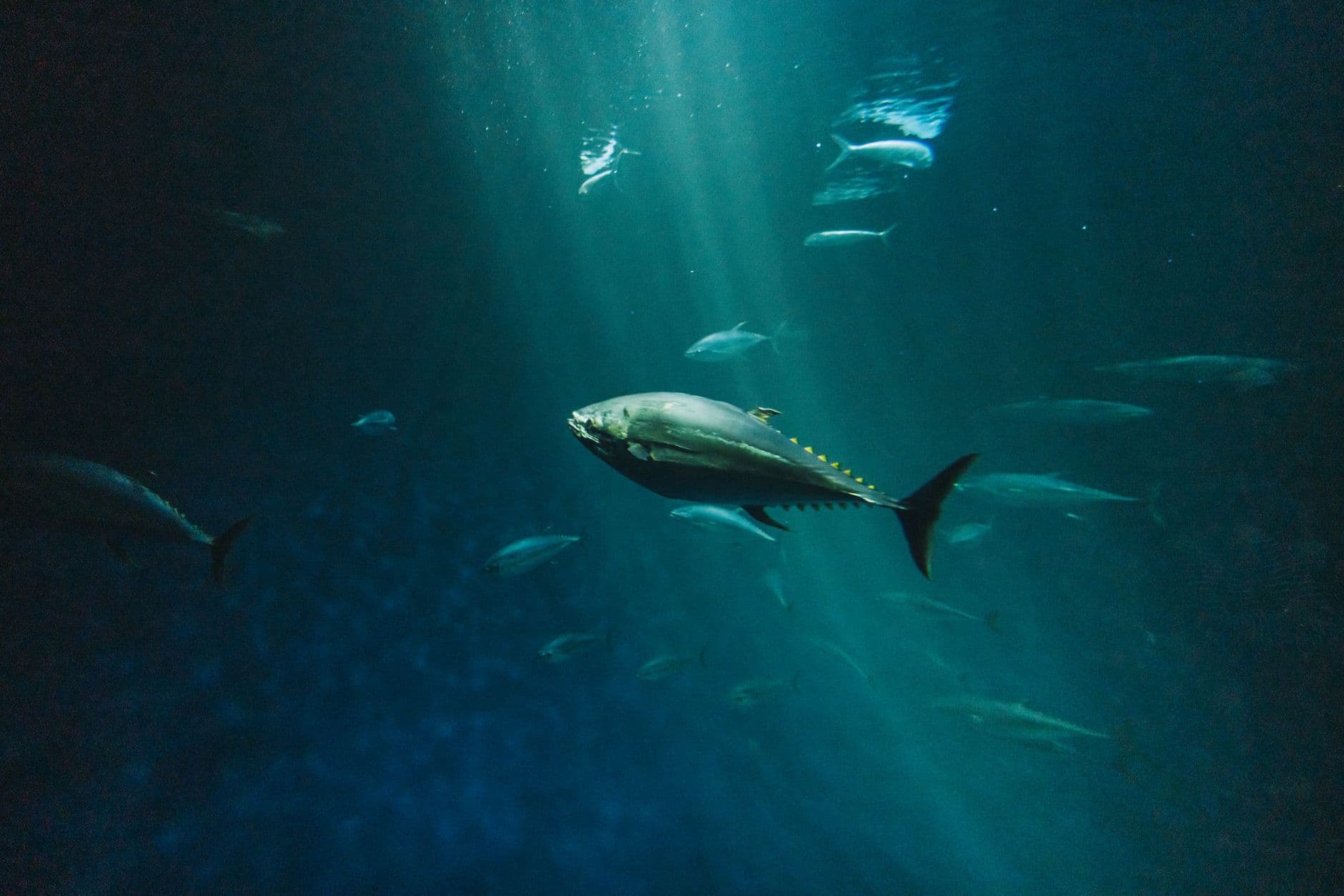
Beyond the Pale: What Makes Deep-Sea Sharks 'Alien'
The recent footage of bizarre-looking sharks, gliding through the inky blackness thousands of feet below the surface, is more than just a visual spectacle. These creatures are living, breathing testaments to evolution's extreme engineering. They exist in an environment so alien to our own – immense pressure, near-freezing temperatures, and absolute darkness – that their very biology is a marvel. What truly sets them apart, and what has captured the attention of medical researchers, are their unique protein structures and metabolic pathways. These aren't just adaptations; they are biological superpowers, allowing these vertebrates to thrive where life as we know it shouldn't exist.
Think about it. Human cells, when subjected to even minor environmental stressors – heat, cold, oxidative damage – begin to falter. Proteins misfold, cellular machinery grinds to a halt, and disease often follows. These deep-sea denizens, however, operate under pressures equivalent to hundreds of atmospheres. Their cellular components, from enzymes to structural proteins, must maintain precise three-dimensional shapes to function correctly, resisting the crushing force of the water column. This isn't just resilience; it's an entirely different operating system.
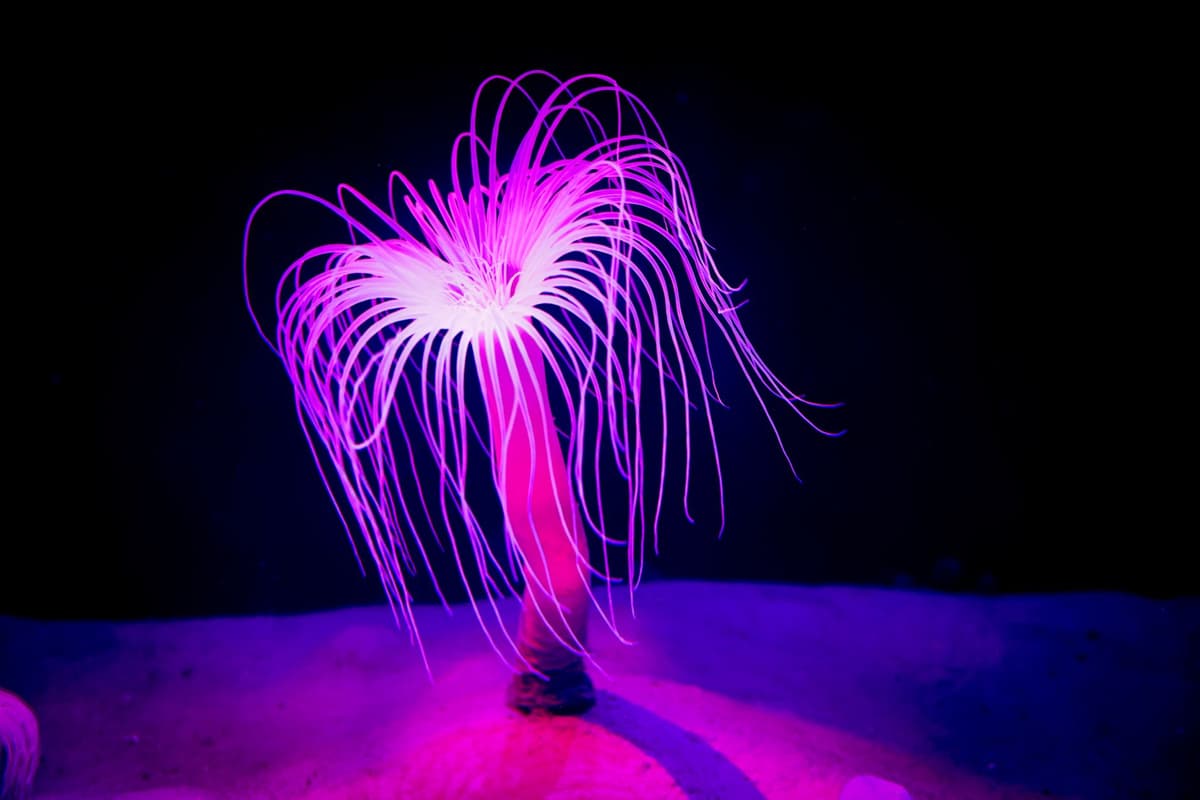
Photo by Magda Ehlers on Pexels
The 'Extremophile Pharmacology' Revolution
For decades, medical research has largely relied on terrestrial models – lab rats, cell cultures grown in petri dishes mimicking surface conditions. While invaluable, these models often fall short when it comes to understanding and treating complex human conditions rooted in cellular stress, aging, and neurodegeneration. Conditions like Alzheimer's, Parkinson's, and even the cellular damage associated with heart disease involve protein misfolding and cellular breakdown under duress. Now, the focus is shifting dramatically towards 'extremophile pharmacology.' This emerging field studies the biochemical secrets of organisms that thrive in Earth’s most hostile environments.
The deep-sea sharks, with their inherent ability to maintain cellular integrity under extreme hydrostatic pressure, represent a particularly promising frontier. Their proteins possess unique folding patterns and stabilization mechanisms that keep them functional. Scientists are not just observing; they are actively seeking to understand the genetic and molecular basis of these adaptations. The goal is to identify specific compounds or genetic sequences that confer this remarkable stability and then engineer them for therapeutic use in humans.
Engineering Resilience: From the Abyss to the Clinic
Imagine developing treatments that can stabilize misfolded proteins in the human brain, preventing the cascade of neuronal death seen in Alzheimer's. Consider therapies that can protect cells from oxidative stress, a major contributor to aging and a host of chronic diseases. This is the promise of extremophile pharmacology, powered by discoveries like these deep-sea sharks. Researchers are looking at specific enzymes that remain active at low temperatures and high pressures, or proteins that act as potent antioxidants.
This isn't science fiction; it's the logical next step in leveraging biological diversity for human health. The challenge lies in translating these complex biological mechanisms into viable pharmaceutical interventions. It requires sophisticated gene sequencing, protein engineering, and rigorous clinical trials. However, the potential payoff is immense: treatments that could fundamentally alter how we combat cellular aging, neurodegenerative diseases, and other conditions where cellular resilience is key.
What This Actually Means
The discovery of 'alien' sharks isn't just a cool nature documentary moment; it's a signal that our understanding of life's limits, and the potential for therapeutic innovation, has been far too narrow. We've been looking for solutions on the surface, while the answers have been evolving in the planet's most extreme environments for millennia.
This shift towards extremophile pharmacology represents a profound reorientation of medical research. It acknowledges that nature, in its most extreme forms, has already solved problems that have eluded human ingenuity. By studying these deep-sea marvels, we are not just cataloging biodiversity; we are mining a treasure trove of biological solutions that could lead to breakthroughs in treating diseases that afflict millions worldwide. The abyss, once a symbol of the unknown, is rapidly becoming a beacon of hope for future medicine.
Quick Answers
What is 'Extremophile Pharmacology'?
It's a field of medicine that studies organisms living in extreme environments (like the deep sea) to understand their unique biological adaptations and engineer new treatments for human diseases.
How do deep-sea sharks help medical research?
Their proteins and cellular mechanisms are adapted to survive extreme pressure and cold. Studying these adaptations can reveal ways to protect human cells from stress and damage, potentially treating diseases like Alzheimer's or Parkinson's.
Are these sharks literally aliens?
No, 'alien' is a metaphor used to describe how different and adapted their biology is to their extreme deep-sea environment, making them seem otherworldly compared to surface life.


