
The Living Calendars Under the Waves
I spent the morning thinking about how corals are essentially the hard drives of the planet. They sit there for centuries, layering calcium carbonate in rings like trees, silently recording every temperature spike and chemical shift in the water. Recent studies looking at these records suggest that the El Niño Southern Oscillation (ENSO) isn't just acting up; it’s being fundamentally supercharged. We used to treat El Niño like a periodic houseguest who occasionally overstays their welcome and ruins the garden. Now, it looks like the guest has moved in, knocked down a few walls, and decided to rewire the thermostat for the entire neighborhood.
What fascinates me is the sheer scale of the data—we are looking at 400 years of coral growth that suddenly shows a massive shift in intensity starting around the mid-20th century. It’s a shift from predictable variability to something much more aggressive. When the Pacific Ocean holds that much extra heat, it doesn't just change the weather in Peru; it sends a shockwave through the global caloric supply chain. I find myself wondering if we are physically capable of adapting our palates as fast as the ocean is changing the ingredients available to us.
The Death of the Seasonal Calendar
We’ve spent about 10,000 years perfecting the art of the 'seasonal calendar.' You plant in the spring, you harvest in the fall, and you pray for rain in between. But this 'agricultural whiplash'—the rapid swing between extreme drought and catastrophic flooding fueled by a stronger El Niño—is making that calendar look like a work of fiction. If you're a farmer in a coastal region, how do you plan for a three-month window when the weather patterns that governed your ancestors for twelve generations have effectively dissolved? It’s a psychological break as much as an economic one.
This isn't just about losing a crop of corn or wheat here and there. It’s about the erosion of the predictable environment that allowed civilization to happen in the first place. I’m curious if we’re heading toward a 'nomadic agriculture' model, where instead of a fixed farm, we have mobile units or indoor systems that can be moved or shielded. Or perhaps we stop trying to fight the weather and start breeding crops that thrive on chaos. Can you even breed a plant for 'total unpredictability'? It sounds like an evolutionary paradox.
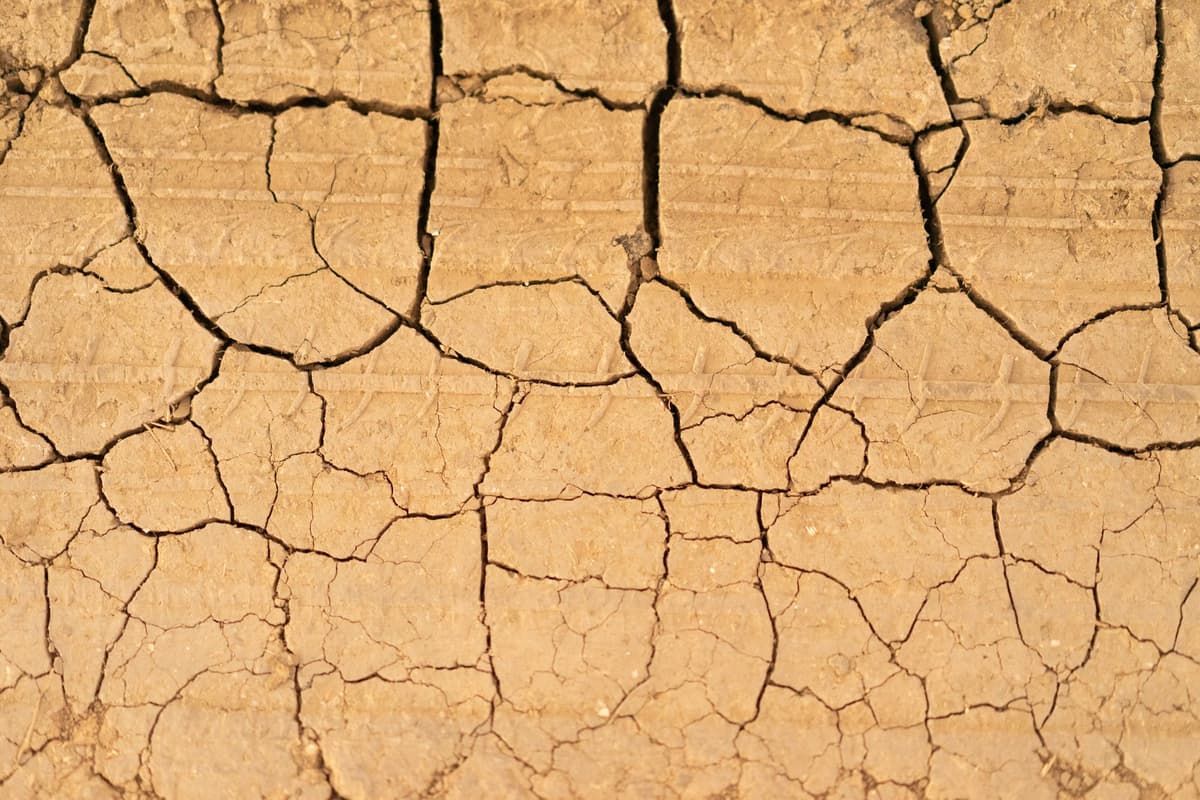
Photo by Atlantic Ambience on Pexels
Diving Deep for the Next Meal
Since the land is becoming an unreliable partner, the focus is shifting toward 'deep-water' aquaculture. If the surface water is too hot and the storms are too violent, the logical move is to go down. We’re seeing a surge in interest for submerged kelp forests and deep-sea fish pens that sit 50 to 100 feet below the surface, insulated from the surface-level madness of El Niño. It’s a strange, quiet frontier. We are essentially becoming deep-sea gardeners because we can no longer trust the sky.
- Submerged Kelp: Naturally sequesters carbon while providing a habitat for high-protein shellfish.
- Deep-Water Pens: These protect stocks from the lethal heat spikes that have recently wiped out millions of salmon and sea bass in shallow coastal farms.
- Automation: Because humans can't easily tend gardens 100 feet down, this shift is forcing a massive leap in underwater robotics and AI monitoring.
I wonder what a 'Reef-to-Table' diet actually tastes like in twenty years. Are we going to look back at the era of the 'steak and potatoes' as a weird, brief anomaly in human history when the weather was unusually calm? If our primary proteins start coming from deep-water bivalves and lab-enhanced algae because the land is too busy flipping between fire and flood, our entire culinary culture is about to get a lot more salty and gelatinous.
What This Actually Means
It means the 'normal' we are waiting to return to is officially gone, and the coral records are the receipt. We are moving into an era where food security isn't about how much you can grow, but how much volatility you can absorb. This 'agricultural whiplash' is going to force a massive redistribution of where people live and what they value. If your coastal food system relies on a predictable monsoon that no longer arrives, you don't just lose your dinner; you lose your reason to stay in that geography.
I’m left thinking about the sheer resilience required to navigate this. We are essentially asking the global food system to switch from a steady, rhythmic drumbeat to a frantic, improvisational jazz solo. Some regions will thrive by embracing deep-water tech and heat-resilient grains, while others will be left holding onto dry seeds and old calendars. The ocean is telling us a story through the coral, and it’s a story about the end of stability. The question is whether we’re smart enough to read the notes before the music stops.
Quick Answers
How do corals prove climate change is affecting El Niño?
Corals incorporate different isotopes into their skeletons based on water temperature and salinity; centuries of these 'rings' show that recent El Niño events are significantly more intense than they were in the 1600s.
What is agricultural whiplash?
It’s the rapid, unpredictable oscillation between extreme drought and extreme rainfall, which prevents farmers from following traditional planting cycles and leads to total crop failure.
Why is aquaculture moving to 'deep water'?
Surface waters are becoming too hot and storm-tossed for traditional fish farming, so moving operations deeper provides a stable, cooler environment that protects the 'crop' from climate extremes.


