
The Myth of the Clueless Ancestor
For a long time, the prevailing scientific vibe regarding the Amazon was basically 'The Blue Lagoon' but with more malaria. We imagined a handful of guys in loincloths wandering through an untouched Eden, accidentally bumping into a jaguar every now and then. It turns out that vision was about as accurate as a Michael Bay movie. New research shows that the Amazon wasn't a vacant lot; it was a high-density housing project for three million people who somehow managed to not ruin the neighborhood.
Imagine three million people trying to live in 3% of the Amazon today. We’d have a Starbucks every six feet, a mountain of discarded plastic straws, and at least one guy named Kyle trying to ride a caiman for a TikTok challenge. But these ancient civilizations had a secret weapon that didn't involve concrete or regret: they literally engineered the ground they walked on. They weren't just surviving the jungle; they were terraforming it like they were playing a high-stakes game of SimCity with zero cheat codes.
The Magic Dirt That Puts Your Compost To Shame
Let’s talk about 'Terra Preta' or 'Amazonian Dark Earth.' This isn't just dirt; it’s the Ferrari of soil. While the rest of the Amazon has soil that is basically wet sand with an attitude problem—leaching nutrients faster than a teenager spends a graduation check—Terra Preta is a nutrient-dense, carbon-sequestering miracle. These people weren't just throwing away their trash; they were strategically layering charcoal, bone, manure, and pottery shards into the earth to create a self-sustaining compost pile that has lasted for two millennia.
If you leave a sandwich in the back of your fridge for two weeks, you create a biohazard. These guys left a 'sandwich' in the ground 2,000 years ago and created a carbon sink that still works today. This soil is so good it actually regenerates itself. It’s like if you finished a bag of chips and the bag just slowly started refilling itself with more chips. It’s a level of agricultural flex that makes our modern 'organic' gardening look like a kid trying to grow a lima bean in a wet paper towel.
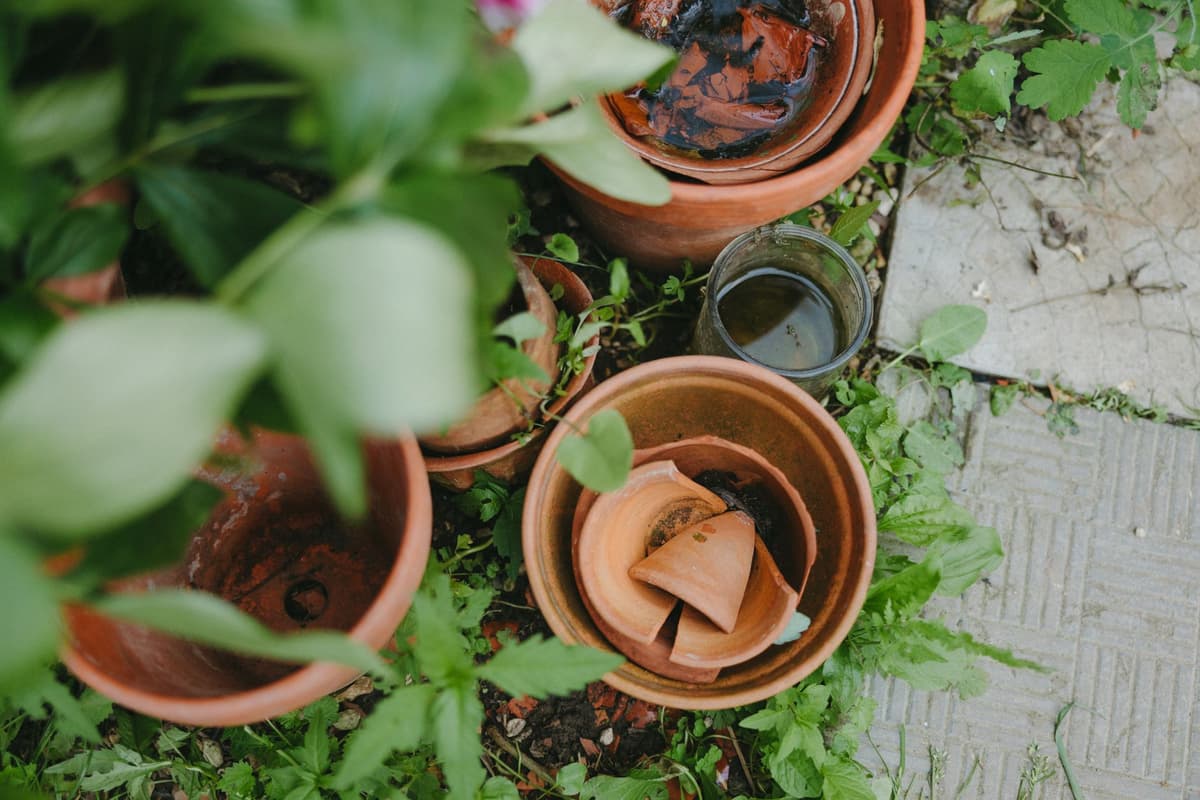
Photo by Yaroslav Shuraev on Pexels
Urbanism Without the Concrete Hellscapes
We usually think of 'urban density' and think of New York City—smelling like hot garbage and exhaust fumes. But the Amazonian model of regenerative urbanism was more like a giant, edible park. They had plazas, roads, and bridges, all tucked into the canopy. They weren't clearing the forest to build a strip mall; they were integrating their civilization into the ecosystem so well that when they left, we literally couldn't tell they had ever been there.
It’s the ultimate 'Leave No Trace' achievement. They supported a population the size of modern-day Chicago in a fraction of the space, all while keeping the air clean and the trees standing. Meanwhile, we build a single suburban cul-de-sac and suddenly the local squirrel population has to file for unemployment and the heat index rises five degrees. The 'pristine wilderness' we’ve been fetishizing for a century wasn't a natural accident; it was a carefully curated garden that we were too dumb to recognize as technology.
Carbon Sequestration Before It Was Cool
While we’re currently trying to save the planet by inventing massive fans that suck carbon out of the sky—which sounds like something a cartoon villain would build—the ancient Amazonians were just burying it. By turning organic waste into charcoal (biochar), they locked carbon into the soil for centuries. It’s a closed-loop system so efficient it makes a Tesla look like a coal-fired steam engine. They were solving the climate crisis 1,500 years before we even started it.
- Efficiency: Supporting 3 million people on 3% of the land area.
- Longevity: Terra Preta soil remains fertile for over 2,000 years without additional fertilizer.
- Carbon Storage: Biochar can store carbon for thousands of years, preventing it from entering the atmosphere.
- Diversity: Their 'forest gardens' actually increased the biodiversity of the area rather than wiping it out.
What This Actually Means
This discovery is a massive ego check for modern humanity. We love to think of ourselves as the pinnacle of progress because we have iPhones and delivery apps, but we are effectively failing at the most basic task of a species: not destroying our own house. The Amazonian 'Dark Earth' blueprint proves that high-density civilization doesn't have to be a death sentence for the planet. You can have the city and the forest, too; you just have to stop treating soil like dirt.
If we can figure out how to replicate Terra Preta on a global scale, we aren't just looking at better tomatoes. We’re looking at a way to feed the world while literally burying our carbon mistakes. It turns out the 'primitive' people we’ve been patronizing in history books were actually futuristic geniuses who just happened to prefer pottery to plastic. We don't need to reinvent the wheel; we just need to figure out how they made their mud.
Quick Answers
Is Terra Preta just fancy compost?
No, it’s compost that went to Harvard and then spent 2,000 years at the gym; the charcoal component keeps the nutrients from washing away, making it a permanent soil upgrade.
Did they really live in the jungle without clearing it?
Yes, they practiced 'agroforestry,' which is a fancy way of saying they turned the forest into a giant, multi-level grocery store instead of cutting it down to plant one thing.
Can we make this stuff today?
Scientists are trying to recreate 'biochar' systems now, but we’re still struggling to match the sheer efficiency of the original 2,000-year-old recipe.
Does this mean the Amazon is actually a man-made park?
In many ways, yes—large swaths of the 'wild' Amazon are actually the overgrown remains of ancient orchards and gardens designed by humans.


