Okay, let’s talk crickets. Not the ones you hear in the summer night, serenading you with tales of impending doom. No, I’m talking about the ones that are apparently going to save the planet. Crickets as pets. Crickets as protein. Crickets as the tiny, six-legged overlords of our future. And as someone who once accidentally acquired a pet roach named Bartholomew (don't ask), I can already feel the existential dread creeping in.
Abdul El-Sayed, a man who clearly has more brain cells than I do dedicated to not accidentally cuddling rodents, is out here raising alarms about these 'micro-livestock.' He’s talking about zoonotic paradoxes, allergen sensitization, and pathogen transmission. Basically, Bartholomew, in his cute little cricket habitat, might be a walking, chirping petri dish. And I, in my infinite wisdom, decided to bring him inside. Along with his cousins, who I was assured were just for 'sustainable protein.' Turns out, my sustainable protein source might also be a gateway drug to a new strain of the common cold, but with more antennae.
The Unseen Allergy Army
So, the theory goes: we’re all going to start breeding crickets in our tiny urban apartments, right next to our sourdough starters and our artisanal catnip. These crickets, chirping away, are going to shed their exoskeletons like glitter bombs. And these microscopic bits of exoskeleton are going to float around, land in our lungs, and our immune systems will freak out. It’s like having a furry pet, but instead of shedding dander, they shed… chitin. Which sounds way more aggressive, doesn’t it? Chitin. It's the sound of your sinuses staging a full-scale rebellion. I can already picture it: a sneeze so powerful it blows Bartholomew’s tiny cricket hat off.
And it’s not just about the crickets themselves. It’s about the stuff they eat. If your crickets are munching on, say, discarded kale stems from your organic farmers market haul, and then you decide to have a cricket kebab, you're essentially creating a culinary circle of life that involves ingredients you previously considered compost. It’s like playing Russian Roulette with your digestive system, but with more legs. I keep imagining my neighbor, Brenda, who proudly told me her crickets were fed on 'artisanal organic spent grain from a local brewery.' I’m picturing Bartholomew developing a taste for IPA and existential angst. Then what? A cricket band playing sad indie music at 3 AM?

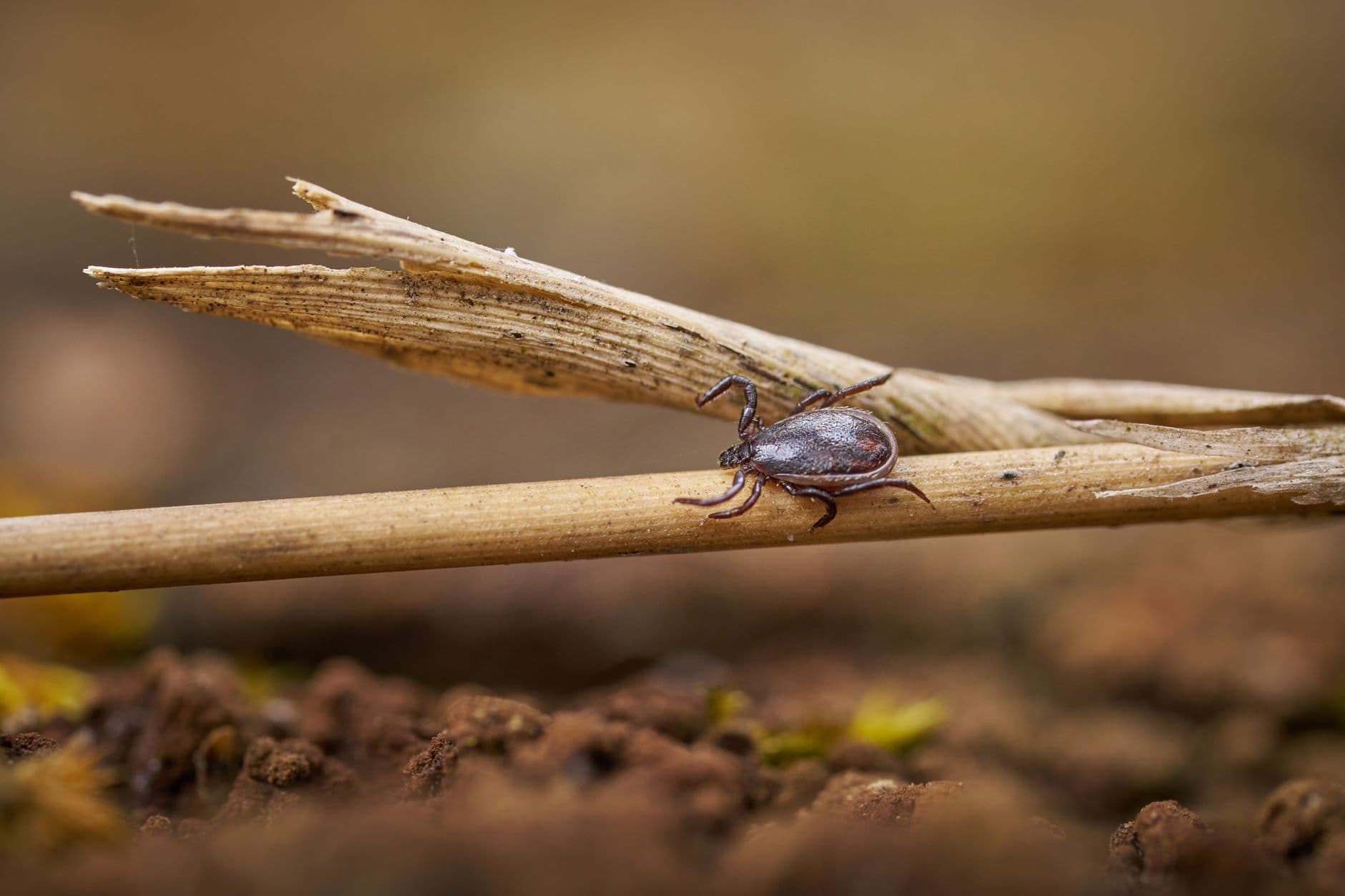
Photo by mohamed abdelghaffar on Pexels
Cross-Species Shenanigans
But the real fun begins when we talk about actual diseases. El-Sayed’s point is that by domesticating these critters en masse, we’re basically opening up a new highway for germs to hop between species. It’s like building a six-lane superhighway between your hamster cage and your salad spinner. Suddenly, whatever’s making Bartholomew’s cousin, Reginald, feel a bit under the weather (probably just a mild case of 'existential chirping disorder') could decide it’s had enough of the cricket life and wants to try its luck in the human population. Imagine a flu strain that comes with its own tiny, chirping soundtrack. 'The Chirp Flu: Now with 20% more leg-wobbling!'
This is where things get truly absurd. We’re so desperate for sustainable protein that we’re willing to risk unleashing a plague of locusts, but, you know, smaller and more manageable. Like a plague of very polite, very protein-rich locusts who might also give you an incurable rash. It’s the ultimate 'low-impact' living gamble. You’re reducing your carbon footprint, sure, but you might also be increasing your 'potential to spontaneously combust from an unknown pathogen' footprint. I’m picturing tiny cricket-sized hazmat suits and miniature containment units. The future is less 'Jetsons' and more 'Contagion,' but with more insectoid protagonists.
The Ultimate Urban Dilemma
Look, I get it. We need to eat. We need to live. And maybe, just maybe, crickets are the future. But here’s the thing: my apartment is already a delicate ecosystem of questionable hygiene and forgotten Tupperware. Adding a bio-farm of potential disease vectors feels less like innovation and more like a cry for help. I’m not sure I’m ready to have my apartment be the inspiration for the next blockbuster pandemic movie. 'They thought it was just a pest problem. They were wrong. It was a protein problem.'
We’re essentially playing a very elaborate, very tiny game of Jenga with public health. And we’re pulling out the blocks labeled 'allergens,' 'pathogens,' and ' Bartholomew’s dietary habits.' It’s a bold strategy, Cotton. Let’s see if it pays off. My money is on Bartholomew developing sentience and demanding rent. And you know what? He’ll probably win. He’s got the chirping advantage.
What This Actually Means
So, before you go filling your shoebox with a dozen chirping buddies for 'sustainable snacking,' maybe pause. Think about the sheer density of it all. We live crammed together in cities, and now we want to cram our food sources and our novelty pets into the same tiny boxes. It’s a recipe for disaster, or at least a really, really itchy allergy season. El-Sayed's pointing out that our drive for sustainability might be blind to the very real, very messy biological consequences.
We’re so focused on the 'what if' of feeding billions sustainably that we’re forgetting the 'what if' of what happens when millions of tiny, domesticated creatures start sharing our air, our homes, and potentially, our respiratory systems. It’s not about demonizing crickets, it’s about acknowledging that introducing a new, mass-domesticated animal into our urban lives, especially one we plan to eat, is a public health tightrope walk. And I, for one, prefer my tightrope walks to involve fewer exoskeletons and more safety nets.
Quick Answers
Q: Are crickets dangerous pets?
A: They can be. Beyond the potential for allergen exposure and the theoretical risk of pathogen transmission, they’re still living creatures with their own biological needs and potential for disease. Plus, they’re loud. Bartholomew’s currently practicing for his cricket opera audition.
Q: Could pet crickets spread new diseases to humans?
A: Public health experts like Abdul El-Sayed are concerned about this. By domesticating and housing large numbers of insects in close proximity to humans, we create new pathways for cross-species pathogen transmission that we don't fully understand yet.
Q: Is eating crickets a good idea?
A: Nutritionally, yes. From a public health and bio-risk perspective, it’s a bit more complicated. Mass cultivation needs careful regulation and monitoring to prevent zoonotic outbreaks and allergen issues. Maybe start with just one cricket. For research. Obviously.


