The Ghost in the Limestone
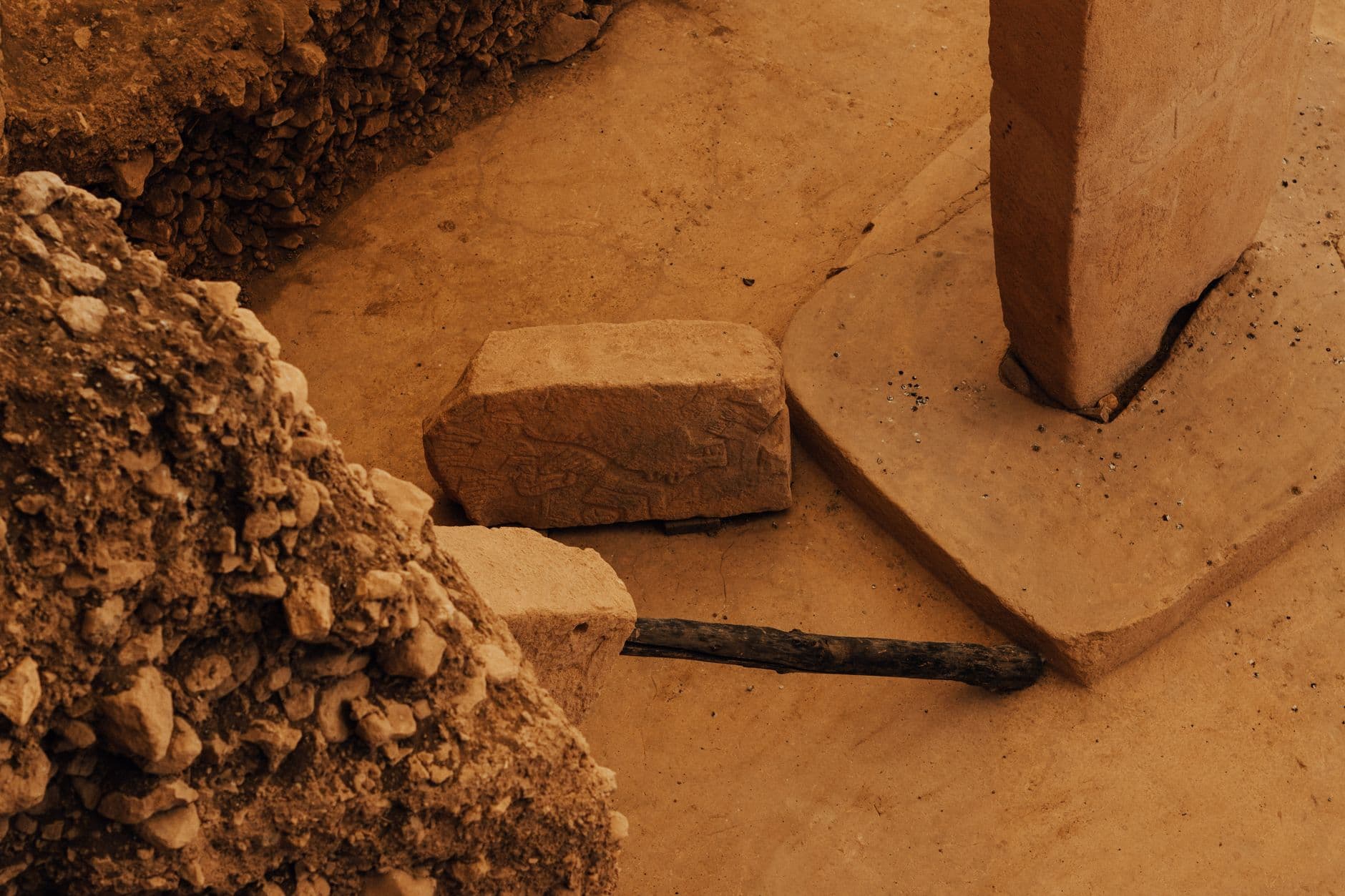
I can’t stop thinking about the sheer audacity of a color that refuses to die. We just uncovered the tomb of a judge named Mehtjetju in the Saqqara necropolis, and the walls look like the painter stepped out for a lunch break in 2300 BCE and simply forgot to come back. There is something deeply humbling about staring at a shade of red or blue that has successfully navigated forty-four centuries of silence without losing its saturation. It makes our modern obsession with 'archival quality' look like a joke.
We live in a world of planned obsolescence, and apparently, that extends to our photons. Most of what you’re wearing right now is colored with synthetic organic dyes derived from petrochemicals. They are cheap, they are vibrant for a month, and they are incredibly fragile. Ultraviolet light hits a modern bond, snaps it, and suddenly your favorite navy sweater is a sad, sickly grey. Mehtjetju’s tomb, however, used a chemistry of commitment.
The Alchemy of Crushed Rocks
How did they do it? The secret wasn't some magical preservative; it was a fundamental understanding of mineralogy. The Egyptians didn't just 'make' paint; they engineered it. They used ground-up azurite for blues, malachite for greens, and ochre for those earthy reds. These aren't delicate carbon chains that fall apart when the sun looks at them too hard. These are inorganic compounds. They are, for all intents and purposes, already dead, which is why they never seem to age.
- Egyptian Blue: Arguably the world's first synthetic pigment, made by heating silica, copper, and calcium. It’s so stable it actually emits near-infrared fluorescence.
- Orpiment: A brilliant yellow made from arsenic sulfide. Toxic? Yes. Permanent? Absolutely.
- Hematite: An iron oxide that provides a red so deep it survived the rise and fall of the Roman Empire, the Middle Ages, and the industrial revolution without blinking.
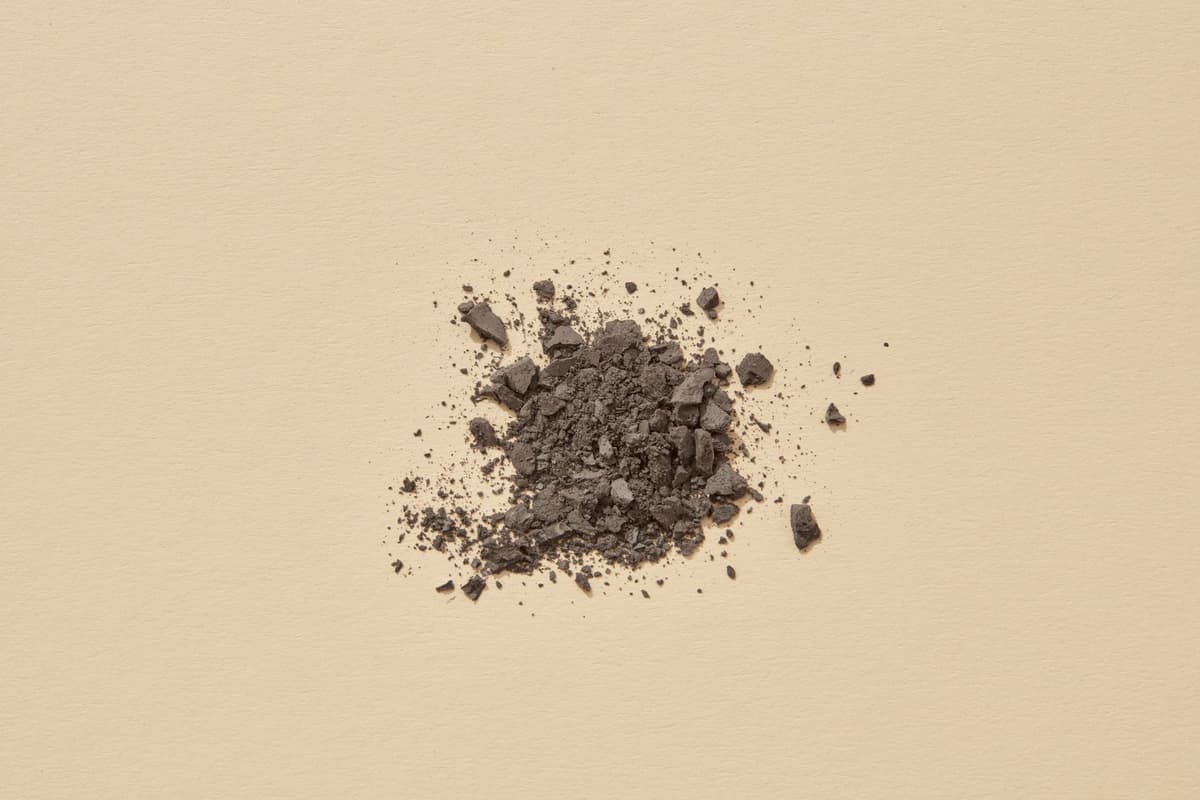
Photo by DS stories on Pexels
There’s a growing movement in archaeological chemistry that wants to steal these recipes back. We are currently dumping millions of tons of wastewater from textile dyeing into rivers in Bangladesh and China—water filled with heavy metals and synthetic salts. Meanwhile, the solution might be sitting in a tomb, etched into the wall with a brush made of reed fibers. If we could stabilize these mineral pigments for modern industrial use, we might stop the cycle of toxic, fleeting color.
Why We Forgot How to Stay Bright
Efficiency killed the immortal color. In the mid-19th century, we discovered coal-tar dyes, and the world went mad for Mauveine. It was cheaper to cook up a batch of chemicals in a lab than to mine and grind rare earth minerals. We traded durability for volume. We decided that having 50 shades of disposable neon was better than having five shades of eternal earth.
I wonder if we’ve lost the ability to think in 'deep time.' When the artisans were painting Mehtjetju’s tomb, they weren't thinking about the next fiscal quarter or the next fashion season. They were building for an afterlife that was supposed to last forever. Our current manufacturing loop is built on a 24-month horizon. If a paint lasts fifty years, the company that made it loses a customer. If it lasts 4,000 years, the company never existed in the first place.
The Sustainability of the Ancient Lab
Recreating these pigments isn't just a nostalgic exercise for history buffs. It’s about energy. Synthetic dye production is incredibly heat-intensive and relies on complex carbon-heavy supply chains. Mineral pigments, while requiring mining, offer a carbon-stable alternative that literally never needs to be reapplied. Imagine a house paint that you never have to refresh, or a car color that looks the same in 2075 as it did on the lot.

Photo by Yan Krukau on Pexels
The irony is thick enough to spread with a palette knife. We spent two centuries perfecting 'new' chemistry only to realize the Old Kingdom had a better grasp on the long-term physics of light. There is a specific kind of genius in using what the earth already perfected over millions of years of tectonic pressure. We are just now starting to ask the right questions about how to scale that ancient wisdom without stripping the planet bare.
What This Actually Means
The discovery at Saqqara is a reminder that 'progress' isn't always a straight line. Sometimes it's a circle that leads us back to a pile of crushed rocks and a bowl of gum arabic. We have spent so much time trying to outsmart nature with synthetic molecules that we forgot how to use the indestructible materials nature already provided.
If we can bridge the gap between archaeological chemistry and modern manufacturing, we might find a way to color our world without poisoning it. It requires a shift in mindset—moving away from the 'fast' and toward the 'permanent.' We don't need more colors; we need better ones. We need the kind of color that an Egyptian judge would recognize across the chasm of four millennia.
Ultimately, the vibrancy of Mehtjetju’s tomb isn't just a testament to his status. It’s a challenge to our own. It asks us why we are so content with things that fade, and whether we have the courage to build anything—even a coat of paint—that is meant to last longer than we do.
Quick Answers
Why are the colors in the Saqqara tomb still so bright?
The Egyptians used inorganic mineral pigments like iron oxide and malachite, which don't break down under UV light or oxygen the way modern synthetic carbon-based dyes do.
Are ancient pigments safer for the environment?
Mostly yes, as they are chemically stable and don't leach toxic synthetic compounds into water, though some (like those containing lead or arsenic) require careful handling.
Can we actually use these in modern clothing?
It's a challenge of 'hand-feel' and adhesion, but researchers are working on nanotechnology to bind these mineral particles to fabrics without making the clothes stiff or heavy.


