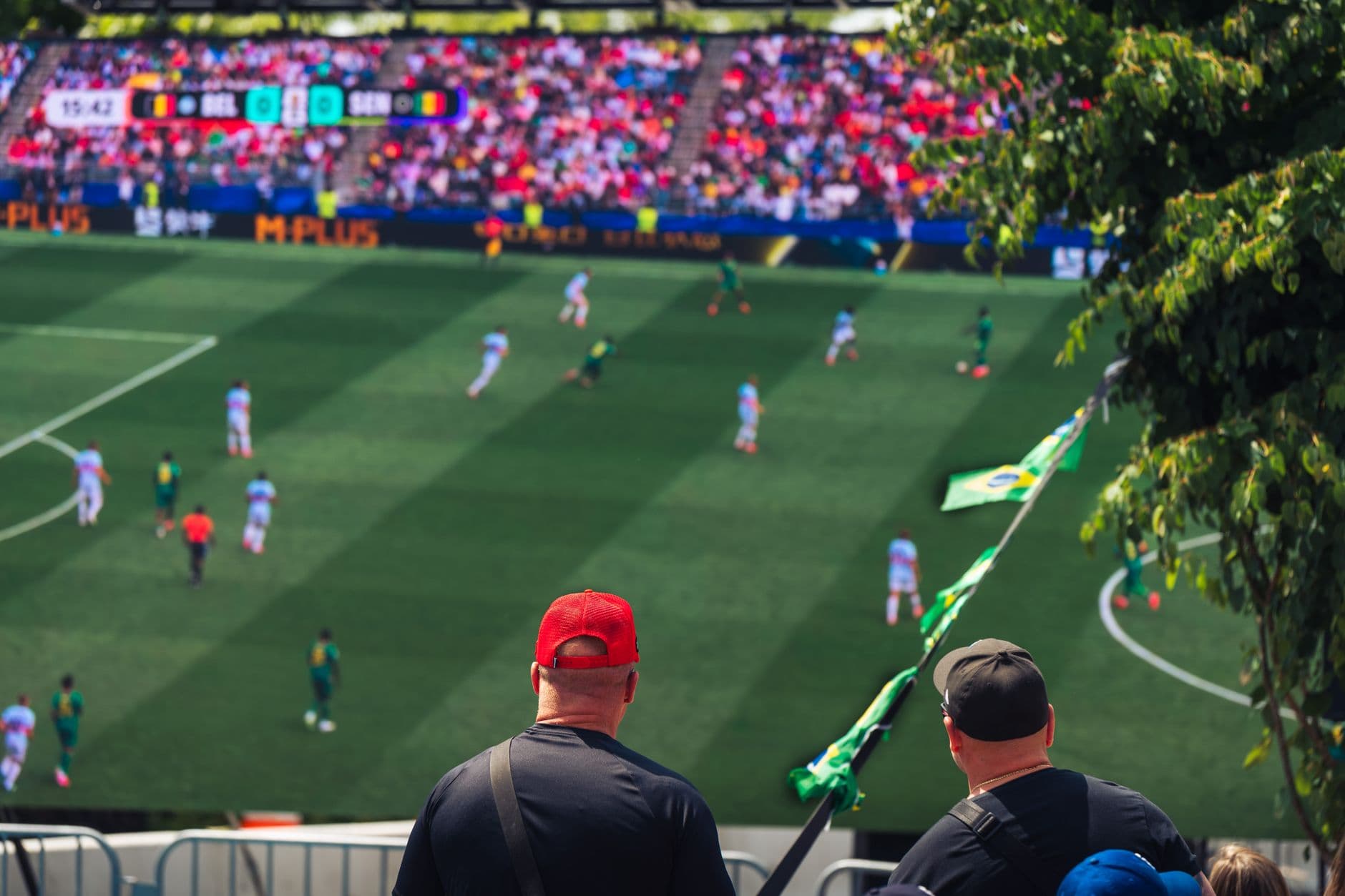
The Billion-Dollar Square Peg
Imagine you just spent $1.5 billion building the ultimate high-tech bachelor pad, complete with a retractable roof that looks like a camera shutter and enough LED screens to sunburn a polar bear. Now imagine a very fancy Swiss man walks in, looks at your living room, and tells you that if you want to host his party, you have to rip out the mahogany bar and the sunken lounge because his favorite rug is four feet wider than your house. That is exactly what is happening to North American stadiums right now. We are witnessing a chaotic game of architectural Tetris where the blocks cost $100 million each and the prize is a bunch of people shouting in languages we don't understand.
American football stadiums were designed for exactly two things: maximizing the number of people who can see a quarterback get tackled and ensuring those people are never more than thirty feet away from a $14 beer. They are vertical, steep, and optimized for a sport played on a narrow strip of plastic. Soccer, meanwhile, requires a pitch that is essentially a vast, flat prairie. To bridge this gap, cities like Atlanta and Dallas are literally hacking away at their own foundations. It is the architectural equivalent of trying to fit a king-sized mattress into a Prius by sawing off the doors.
The Great Grass Migration
FIFA has a relationship with grass that borders on the erotic. They don't just want green stuff; they want a specific, pampered, high-pedigree leaf that has probably never seen a drop of tap water in its life. Most of our elite stadiums use FieldTurf, which is basically a fancy way of saying "shredded tires and green plastic." FIFA hates this. They want real dirt. This means host cities have to haul in thousands of tons of soil and sod, effectively building a giant, temporary farm on top of a concrete slab.
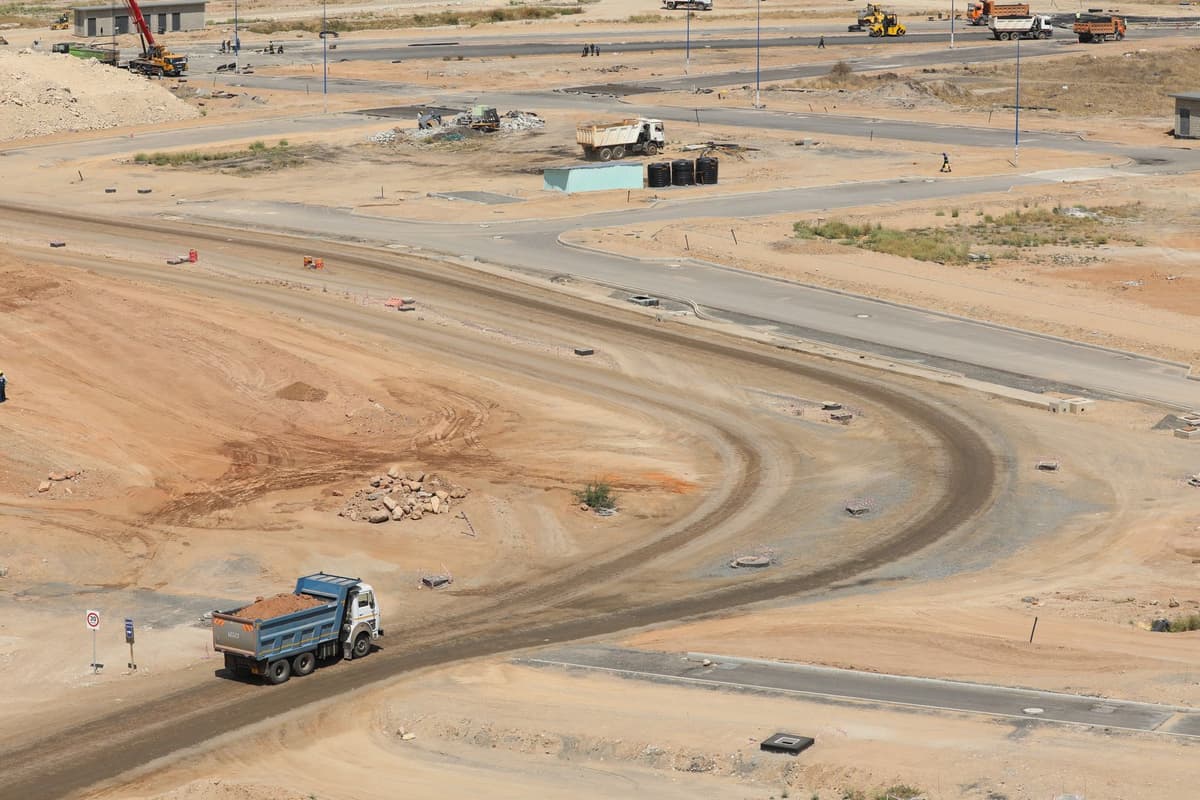
Photo by Stanley Kissinger on Pexels
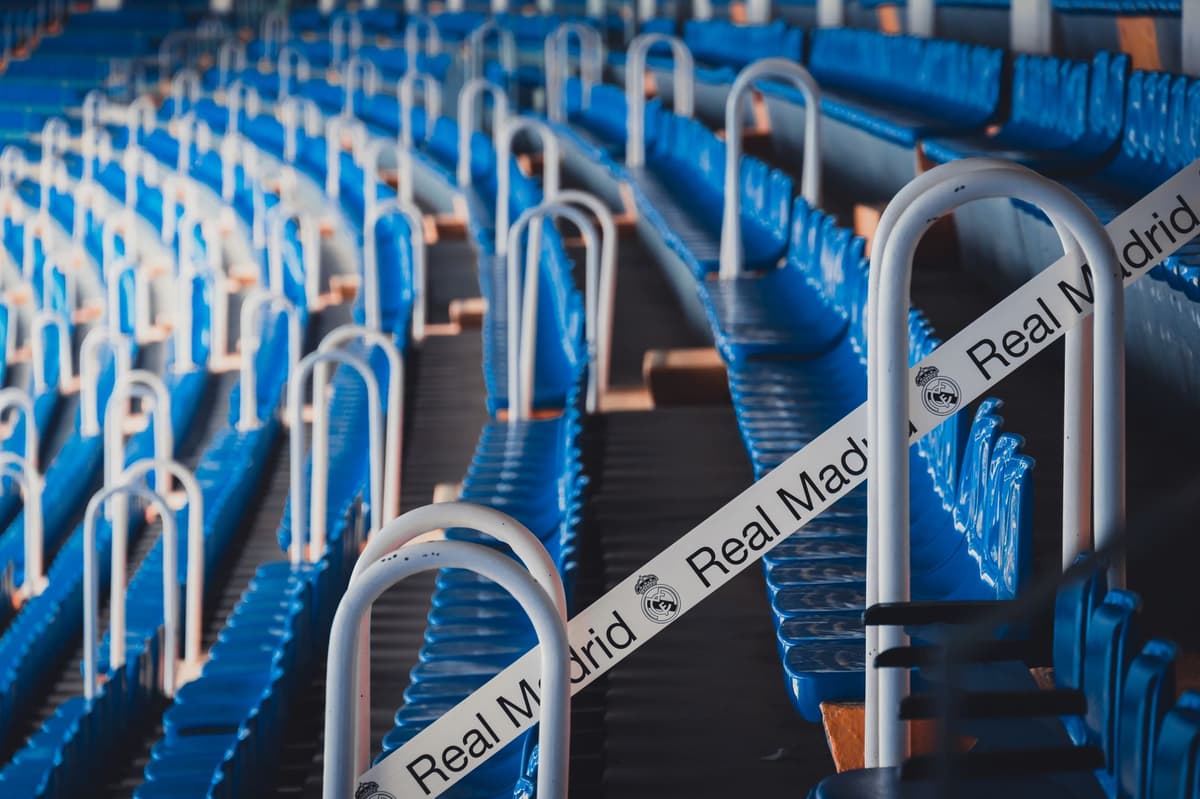
In places like Mercedes-Benz Stadium, they aren't just laying down some turf. They are ripping out lower-bowl seats—the expensive ones where the CEOs sit—just to make the corners of the field wide enough. We are literally deconstructing the most profitable parts of the building to satisfy a geometry requirement. It’s like buying a tuxedo and then cutting the arms off because you decided you’d rather wear it as a vest to a summer BBQ. Except the tuxedo cost more than the GDP of a small island nation.
Revenue-First Meets Reality-Last
Why did we build them this way? Because in America, a stadium is a shopping mall that occasionally hosts a sporting event. Every square inch is calculated to extract maximum value. When you design a stadium for the NFL, you want those front-row fans close enough to smell the Gatorade. Soccer needs space for corner kicks and photographers and for players to dramatically slide into the advertising boards after a goal. The friction here isn't just about architecture; it’s about a clash of religions. We worship the luxury box; they worship the pitch.
- Atlanta is spending a fortune to modify a stadium that is less than ten years old.
- MetLife Stadium in New Jersey has to remove 1,740 seats just to fit the pitch dimensions.
- The total bill for these "temporary" fixes across North America is expected to clear $500 million.
It is a hilarious testament to our "build it now, fix it later" culture. We built the most advanced sports cathedrals on Earth, but we forgot to check if the world’s most popular sport actually fits inside them. It’s like building a state-of-the-art garage and realizing you can only park a Vespa in it because you forgot cars have side mirrors.
What This Actually Means
This whole saga exposes the myth of the "multi-purpose" stadium. We’ve been told for decades that these gargantuan public investments are flexible hubs for all kinds of entertainment. In reality, they are highly specialized machines designed for a very specific American context. The 2026 World Cup is acting as a giant, expensive magnifying glass, showing us that our architectural ego has outpaced our actual utility. We are spending half a billion dollars to make our buildings do what they claimed they could do in the first place.
Ultimately, the "Ephemeral Urbanism" of 2026 is just a fancy way of saying we’re throwing a very expensive, six-week-long tantrum. We will tear these buildings apart, plant some grass, let the world play on it, and then immediately rip the grass out and bolt the seats back in so we can go back to watching monster truck rallies and Taylor Swift concerts. It’s a cycle of waste that would be tragic if it weren't so funny to watch billionaires realize their fancy stadiums are technically too small for a rectangle.
In the end, the grass will be green, the goals will be scored, and the stadium owners will realize that for the right price, they’d probably agree to host a water polo tournament in the lobby. We aren't building for the ages; we're building for the next broadcast contract. And if that means turning a stadium into a temporary landscaping project, so be it.
Quick Answers
Why can't they just play on the turf that's already there?
Because FIFA believes playing on turf is a human rights violation, and professional soccer players’ knees are apparently made of glass and prayers.
Are they really tearing out permanent seats?
Yes, thousands of them. They are literally unbolting the most expensive real estate in the building to make room for a corner flag.
Who is paying for all this remodeling?
Usually, it’s a mix of the stadium owners and local taxpayers, proving once again that there is no problem so large that public money can’t be thrown at it.


