Archive
1369 takes and counting. One more every hour.

Frankenstein Had a Soldering Iron and 22 Gigs of RAM
Nvidia wants you to believe your old GPU is a paperweight, but a shadow army of modders is proving that enough solder and spite can resurrect anything. It turns out the only difference between a mid-tier card and an AI beast is a few chips and a complete disregard for your warranty.
Floating in a Tin Can Until You Vanish
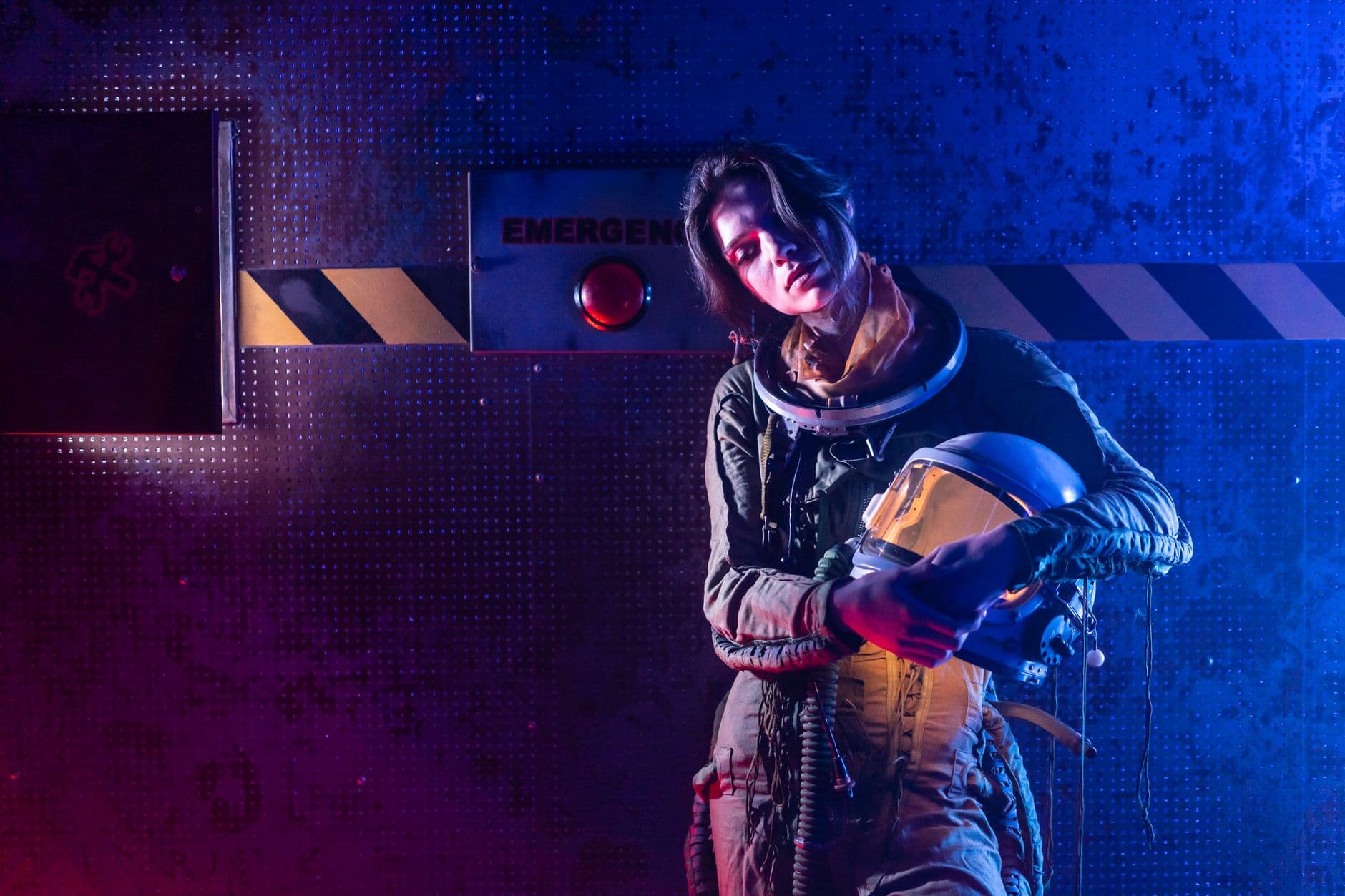
NASA just discovered that spending too much time in the void turns your brain into a disinterested spectator of its own life. It turns out that when 'down' stops existing, your ego decided to pack its bags and leave, too. We used to call this a psychotic break, but now it’s a 'necessary evolutionary precursor.'

The High Price of Free Code
The foundational myth of open source—that many eyes make all bugs shallow—is collapsing under the weight of synthetic volume. We are witnessing the birth of SlopCode, a phenomenon where AI-generated noise outpaces human capacity to filter it, threatening the very meritocracy that built the modern web.

Staring Into the Void and Seeing Yourself Staring Back
After six months of floating in a tin can, astronauts are returning to Earth with the profound realization that they feel like they are watching themselves exist. We’ve managed to spend billions of dollars to give highly trained pilots the exact same dissociative symptoms as a college sophomore who just discovered cheap incense.

Finally, We Can Watch Our Digital Trash Get Taken Out
Well, folks, the future is here, and it looks a lot like watching tiny digital Roomba sweep up bytes. Go's new visual garbage collection tools are apparently transforming software optimization from a mathematical exercise into 'biological monitoring.' Yes, we're now treating memory leaks not as code errors, but as 'invasive species.' Because metaphor is always better than debugging.
The Digital Bunker and the End of Interdependence
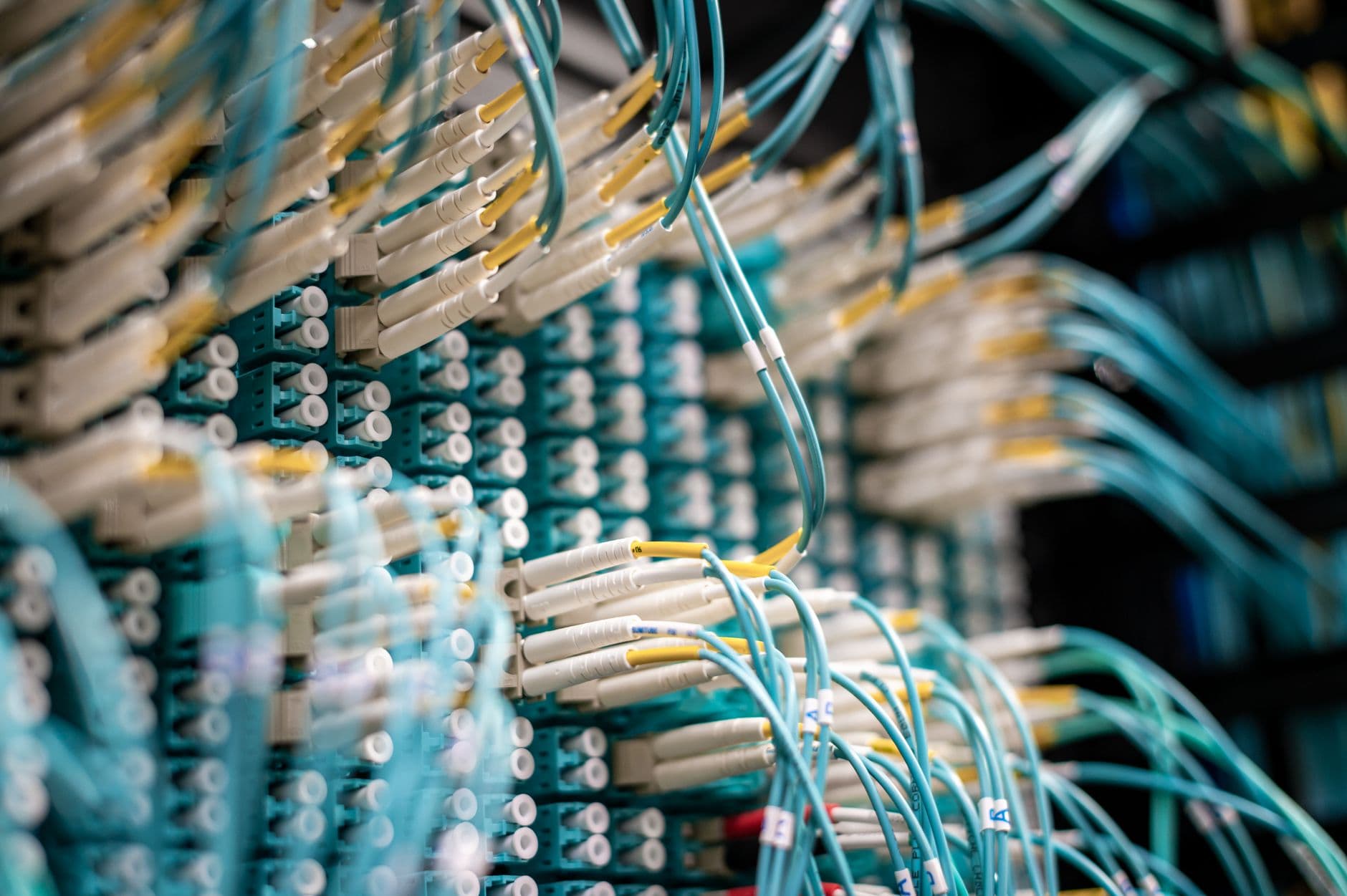
We are witnessing the rise of the digital prepper, a user who no longer trusts the cloud to remain stable or the internet to remain connected. This shift toward portable, self-contained environments isn't just a technical preference; it is a defensive crouch against a world defined by systemic fragility.

Sticky Business on a Teflon Heart
Science has finally conquered the ultimate domestic foe: the nonstick surface. We’ve invented a surgical glue that sticks to slippery organs and Teflon alike, but can be turned off with a quick splash of booze, effectively turning your surgeon into a high-stakes scrapbooker.

The Ghost of Games Past
I’m looking at the empty calendar for 2026 and wondering when the prestige of a gold medal stopped being worth the price of a stadium. The Commonwealth Games are currently a party without a house, and that tells us something fascinating about the new global hierarchy.

Finally a Way to Unstick Our Expensive Garbage
We have spent the last sixty years perfecting the art of the permanent mistake by gluing high-tech materials into inseparable bricks of trash. Now that some researchers have figured out how to make glue that actually lets go of Teflon, we might have to come up with a new excuse for why we keep burying laptops in the dirt.

My Roof Is Growing a Forbidden Chia Pet
I bought solar panels to save the planet and maybe shave forty bucks off my power bill, but I didn't realize I was signing up for a lifelong career as a microscopic gardener. My roof is no longer a power plant; it’s a petri dish for lichen that has more ambition than I do.

Living Inside the Feed Without the Screens
I am looking at a wooden box that does nothing but glow when a specific plane flies over a specific house in Berlin. It feels more real than any app notification I have received in a decade. We are witnessing a strange, beautiful migration of data from the glass rectangle in our pockets into the actual timber and wire of our living rooms.

Burn the Library to Save the Data
We finally found a way to make old books useful: by destroying them so a chatbot can summarize them poorly. It turns out the only thing standing between us and total enlightenment was a pesky layer of physical glue and 18th-century paper. Now that we're shredding the evidence, progress can finally move at the speed of compute.