
The internet was built as a medium for the present tense, a tool for real-time connection that never accounted for its own longevity. We are now witnessing the birth of the 'digital afterlife industry,' a sector emerging not from a desire for innovation, but from the sheer weight of billions of inactive accounts. By some estimates, Facebook could have more dead users than living ones by 2070. This is no longer a niche technical problem regarding server space; it is a fundamental shift in how human memory is commodified and managed.
When an account transitions from active to 'zombie' status, it doesn't simply vanish. It remains embedded in the social graph, its data points still feeding the algorithms that dictate what the living see. We have reached a stage where the digital remains of the deceased are treated as active assets, used to drive engagement through 'memory' notifications and birthday reminders that serve the platform's metrics rather than the user's grief.
The Extraction of Value from the Departed
Data is the lifeblood of the modern economy, and data does not stop being valuable just because the person who generated it has stopped breathing. Platforms are incentivized to keep these accounts 'alive' in a state of suspended animation because they represent a massive repository of historical behavioral data. This data allows companies to refine predictive models, mapping out how entire generations lived, shopped, and communicated.
This creates a perverse incentive structure where the platform acts as a self-appointed executor of a digital estate it does not own. Unlike physical graveyards, which are designated spaces for reflection, digital graveyards are integrated directly into our daily feeds. The algorithm does not distinguish between a photo posted by a friend five minutes ago and a photo posted by a deceased parent five years ago; it only sees a high-engagement asset. This forced proximity to the dead fundamentally alters the psychological landscape of the social web.

Photo by Kampus Production on Pexels
The Crisis of Consent and Legacy
We are currently operating in a legal and ethical vacuum regarding digital remains. Most users sign terms of service agreements that focus on privacy and security for the living, but these documents are remarkably silent on the rights of the dead. When a person passes away, their digital identity—often a more comprehensive record of their life than any physical diary—falls into a gray area controlled by a $2 trillion corporation's internal policy.
- The Right to be Forgotten: There is no universal mechanism for a person to ensure their data is deleted upon death, leading to 'undead' profiles that can be hacked, cloned, or used for deepfake technology.
- The Burden on the Living: Families are often forced to wage legal battles against platforms just to gain access to a loved one's photos or to take down a profile that has become a target for harassment.
- Algorithmic Resurrection: Startups are already offering services that scrape a deceased person's data to create 'griefbots'—AI avatars that mimic the tone and personality of the dead, commodifying the mourning process.
This lack of agency over our digital legacy means that our online personas are becoming permanent, involuntary monuments. We are the first generation in history that will leave behind a high-definition, interactive record of our entire existence, and we have almost no say in how that record is curated or exploited after we are gone.
The Algorithmic Competition for Attention
As the volume of zombie accounts grows, the digital space becomes increasingly crowded with the past. This creates a friction between the 'living' web and the 'archival' web. When the algorithms prioritize 'meaningful content,' they often surface historical posts because they have years of accumulated engagement data. In this environment, the dead are effectively competing with the living for space in the collective consciousness.
This crowding effect changes the nature of online communities. A platform that was once a place for new ideas and current events begins to feel like a museum. If the feed is saturated with the memories of those who are gone, there is less room for the emergence of the new. We are building a culture that is perpetually looking backward, anchored by a digital infrastructure that refuses to let anything go.
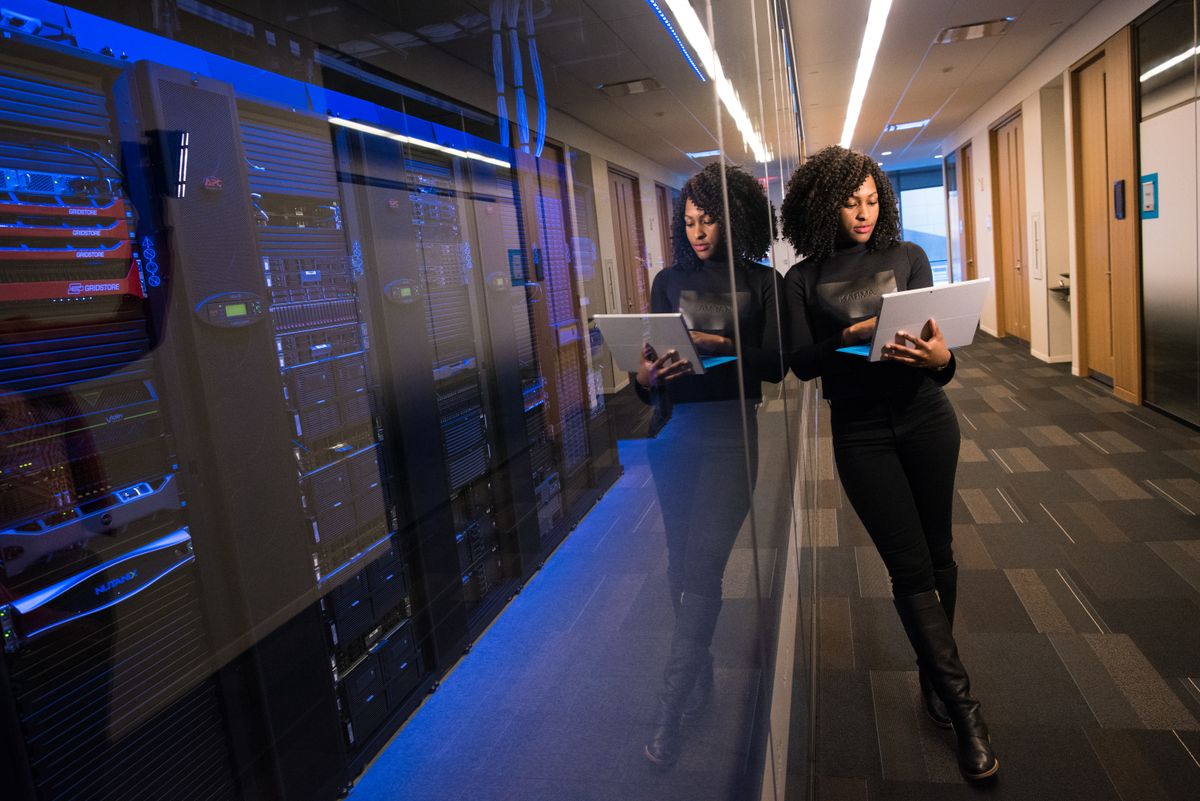
Photo by Christina Morillo on Pexels
What This Actually Means
The transition of social media into digital graveyards is not an accidental byproduct of technology; it is a systemic failure to respect the natural cycle of life and death. By treating human legacy as a persistent data stream, we are stripping away the dignity of the end of life. We are being denied the right to fade away, replaced instead by a permanent, marketable version of ourselves that exists only to serve a corporate bottom line.
We must demand a new framework for digital personhood that includes the right to a digital death. This means standardized protocols for account deletion, clear legal pathways for digital inheritance, and, most importantly, an algorithmic 'opt-out' for the deceased. A society that cannot let its dead rest is a society that will eventually find itself haunted by its own data.
Ultimately, the 'zombie account' phenomenon reveals the central tension of our era: the conflict between human experience and algorithmic persistence. If we do not solve this, we will leave behind a digital world so cluttered with the ghosts of the past that the living will no longer have a place to reside.
Quick Answers
What happens to my data when I die?
Unless you have specifically set up a 'Legacy Contact' or 'Inactive Account Manager,' your data typically remains on the platform's servers indefinitely, subject to their internal privacy policies.
Why don't platforms just delete inactive accounts?
Accounts represent user growth metrics and valuable training data for AI; deleting them would technically lower the 'total user' count that investors and advertisers track.
Can someone legally inherit my social media account?
Currently, most platforms forbid the transfer of account ownership in their terms of service, meaning family members often have no legal right to access the content unless specified in a will and recognized by the platform.


