The Invisible Labor of Being Objective
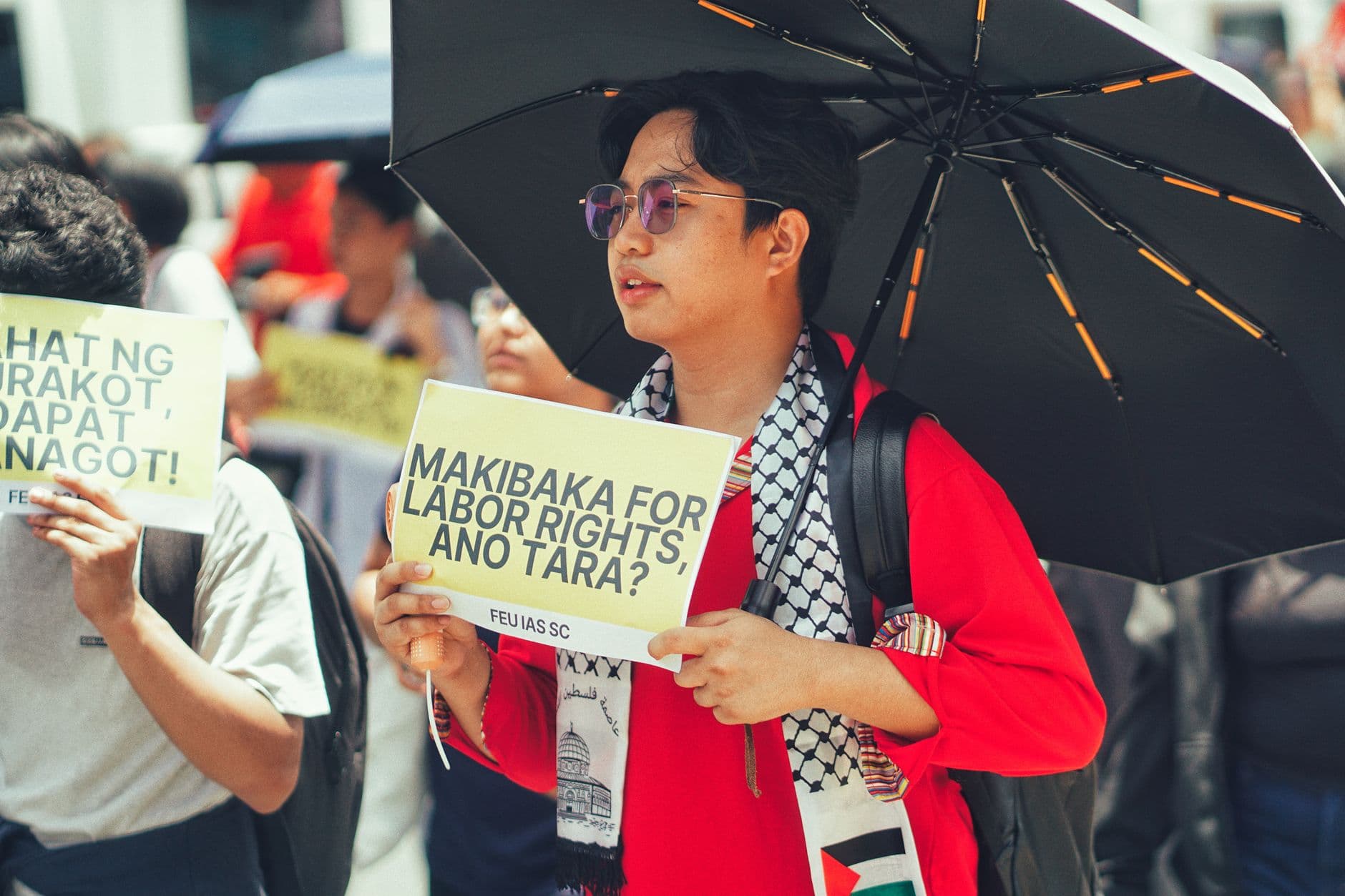
I spent three hours yesterday looking at the edit history of a single Wikipedia page about a disputed island, and it hit me: neutrality is an exhausting, manual job. We treat the Wikimedia Foundation (WMF) like it's a sentient cloud of pure facts, but it’s actually a collection of roughly 700 employees who have to navigate the messy intersection of software engineering and global diplomacy. Now that these workers are moving toward formal unionization, I can't help but wonder if we’ve been taking the 'free' in 'free encyclopedia' a little too literally.
Usually, when we talk about unions, we talk about wages and hours. But at Wikimedia, the 'product' is the very concept of objective truth. If the people managing the servers and the trust-and-safety protocols feel precarious in their jobs, does that precarity bleed into the information we all consume? It's a strange thought. We are watching the birth of 'neutrality labor' as a recognized trade, and I'm fascinated by what happens when the people who guard the world's knowledge decide they need a guard for themselves.
Sovereignty Is Getting Crowded
There is a massive, quiet collision happening between the WMF’s internal labor shifts and the rise of 'digital sovereignty.' Governments like Russia, China, and India are increasingly obsessed with controlling the narrative within their own borders, often viewing Wikipedia’s decentralized, Western-leaning neutrality as a threat to their national security. In 2023 alone, we saw multiple instances of states trying to pressure WMF employees or volunteers to scrub 'unfavorable' history.
When a state comes knocking with a localized version of the truth, who stands in the gap? Usually, it’s a mid-level manager at a non-profit. If that manager is part of a union, does that make them harder to intimidate, or does it create a new surface area for political leverage? I wonder if a unionized workforce acts as a collective shield, or if it adds another layer of bureaucracy to an organization that already struggles to move faster than the disinformation machines of well-funded state actors.
Photo by Brett Sayles on Pexels
The Cost of Staying Neutral
Neutrality isn't the absence of bias; it’s the expensive, constant correction of it. The Wikimedia Foundation’s budget has ballooned to over $175 million annually, and a huge chunk of that goes to the humans who keep the site from devolving into a playground for trolls and state-sponsored bots. The unionization push suggests that these workers feel the weight of this responsibility is becoming unsustainable under current management structures.
I’m curious about the specific psychological toll of being a human firewall against global disinformation. Imagine your job description involves making sure the entry for a literal war stays balanced while your own employer is navigating budget cuts or shifting priorities. If the WMF workers win a seat at the bargaining table, they aren't just bargaining for dental—they’re bargaining for the resources to keep the 'Global Information Commons' from being carved up by the highest bidder or the loudest autocrat.
What This Actually Means
We are moving into an era where 'truth' is no longer a shared baseline but a strategic asset. If the Wikimedia Foundation workers successfully unionize, it might be the first time in history that a labor union has a direct hand in the geopolitics of information. It changes the power dynamic from a top-down philanthropic mission to a bottom-up professional standard. This could be the safeguard we didn't know we needed: a workforce that is legally and collectively protected from the whims of both their bosses and foreign ministries.
On the flip side, I wonder if this makes the organization more vulnerable to the very nationalistic pressures it tries to avoid. If a union becomes politically active—as unions often do—does Wikipedia’s reputation for neutrality survive? We’re in uncharted territory here. We are watching a non-profit evolve into a geopolitical entity, and the people behind the keyboards are tired of being the silent partners in that transition.
Ultimately, the 'Neutrality Labor' crisis tells us that the internet’s most valuable resource isn't data—it’s the integrity of the people who organize it. If we want a neutral world, we might have to start by making sure the people building it feel secure enough to tell the truth, even when it’s inconvenient for everyone involved.
Quick Answers
Why are Wikimedia workers unionizing now?
Like many in tech and non-profits, they are seeking better job security, clearer promotion paths, and a say in how the organization handles its massive growth and global political pressures.
How does this affect the average Wikipedia reader?
In the short term, not much, but long-term it could lead to more stable governance and better protection against state-sponsored edits that try to rewrite history.
What is digital sovereignty?
It’s the idea that a country should have the power to control the data and information flow within its borders, often used as a justification for censoring global sites like Wikipedia.
Can a union really stop disinformation?
A union provides collective legal and professional protection, making it harder for management to fire an employee who refuses to buckle under political pressure or 'sanitize' a controversial entry.


