Your Data Is Too Ugly To Look At
For three years, we accepted the QR code as a necessary evil, a jagged little stamp of digital bureaucracy that lived on restaurant tables and vaccine cards. It was functional, it was brutalist, and it was undeniably hideous. But because we are a species that cannot leave well enough alone, we have decided that the raw utility of a machine-readable URL is an aesthetic crime that must be rectified with midjourney prompts and dithered gradients.
Now, instead of a simple grid that works in low light, we have 'Post-Functional' QR codes that look like a Monet painting if Monet had a stroke while staring at a motherboard. We are spending thousands of collective engineering hours to ensure that a link to a $14 cocktail menu looks like a piece of collectible crypto-art. It is the ultimate first-world solution to a problem that didn't exist until we decided that 'QR fatigue' was a legitimate psychological condition.
The High Cost Of Hiding The Machine
The technical breakthrough here is, predictably, a way to break the rules just enough that the machine can still find the data bits while the human brain is distracted by pretty colors. Engineers discovered that since QR codes have roughly 30% error correction built-in, you can essentially vandalize a third of the code with 'art' and it will still work. It is a metaphor for modern life: we are layering a thin, shimmering veneer of 'vibe' over a decaying infrastructure of pure, cold data.
- We are prioritizing 'brand identity' over the three seconds it takes to scan a menu.
- We have invented a way to make a 2D barcode take 400% more processing power to generate.
- We are successfully tricking ourselves into thinking a tracking pixel is a lifestyle choice.
This isn't about accessibility or ease of use. It is about the fact that we are so tired of the digital world's sharp edges that we are literally sanding down the corners of our information. If a QR code doesn't look like a lo-fi hip-hop thumbnail, does the link even deserve to be clicked? Probably not. We have entered the era of the 'aesthetic scan,' where the act of being tracked by a marketing firm must be a visually pleasing experience.
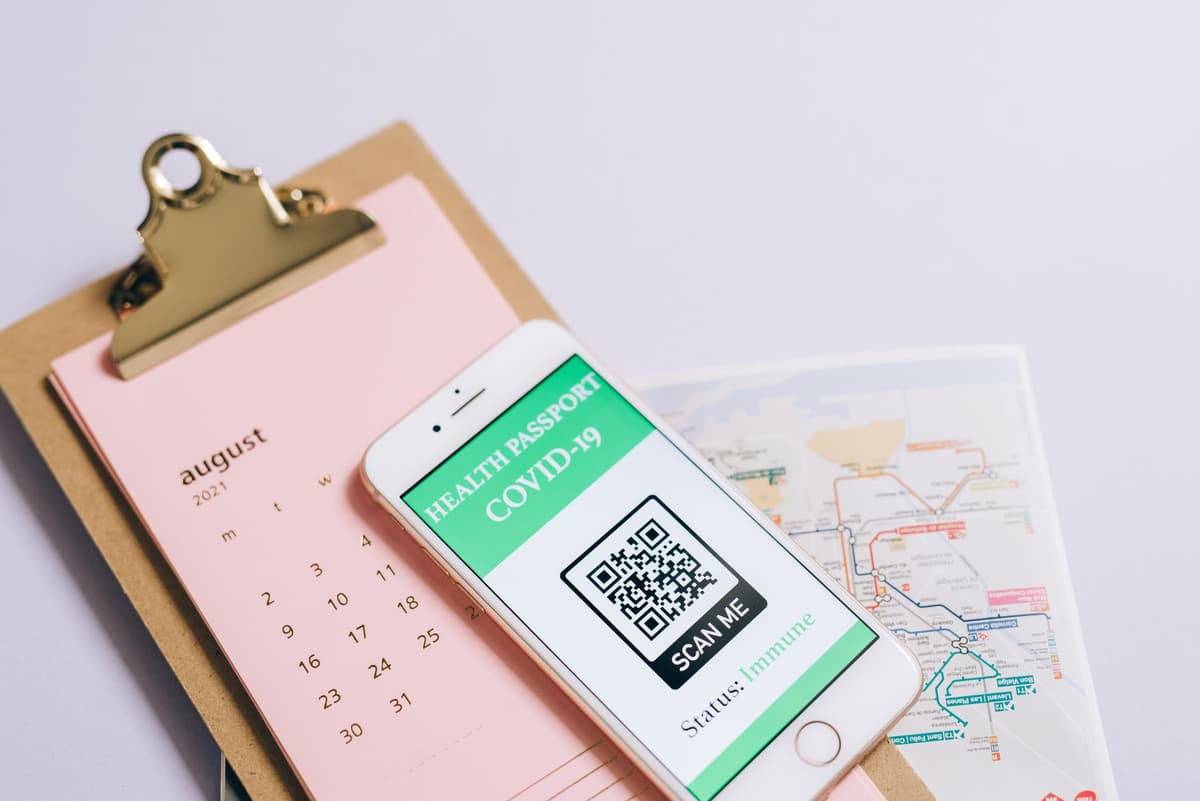
Photo by Leeloo The First on Pexels
The Psychology Of The Pretty Link
Marketing departments have realized that we have developed a reflexive twitch when we see the traditional black-and-white square. It reminds us of social distancing and the general collapse of physical reality. To fix this, they are using 'stable diffusion' to weave the data into images of mountains, cats, and abstract blobs. It turns out that if you hide a surveillance mechanism inside a picture of a sunset, people will actually thank you for the privilege of being redirected to a landing page.
This is the 'aestheticization of data' at its most cynical. We are no longer satisfied with a tool that works; we need a tool that reflects our personal brand. A restaurant that uses a standard QR code is now considered 'low effort,' as if the primary job of a bistro is to provide a curated digital portal rather than a decent sandwich. We are demanding that the plumbing of the internet be gold-plated because looking at the pipes makes us feel unrefined.
What This Actually Means
What we are witnessing is the final surrender of function to form. The QR code was the last bastion of pure, unadorned utility in the consumer space. It didn't care if you liked it. It didn't care about your color palette. It just wanted to send you to a PDF of a wine list. By turning it into an 'experience,' we have officially signaled that we can no longer tolerate reality unless it has been run through a filter.
Eventually, every piece of data in our lives will be dithered and stylized into oblivion. Your tax returns will be presented as a series of generative art pieces. Your medical records will be hidden inside a 3D-rendered forest. We are so desperate to escape the sterile reality of the digital age that we are painting murals on the walls of our own tracking cells. It’s beautiful, really, in a deeply depressing and unnecessary way.
When we look back at the 2020s, we won't remember the policy debates or the social shifts. We will remember the time we decided that the most important thing a barcode could do was look 'cozy.' We have successfully turned the most utilitarian icon of the century into a piece of digital wallpaper, and we expect a round of applause for it.
Quick Answers
Does a dithered QR code work better?
No, it actually works slightly worse because you’re pushing the error correction limits to their breaking point. It’s a miracle of modern science that we’ve found a way to make data less reliable for the sake of a 'vibe.'
Why can't I just use a normal QR code?
Because you don't want your customers to think you're a boring person who values efficiency over a curated aesthetic experience. Standard QR codes are for people who still use wired headphones and answer their phone when it rings.
Is this art?
If you consider a highly sophisticated way to hide a marketing URL 'art,' then yes. In the same way that a billboard for insurance is art if you squint hard enough and have given up on the concept of human creativity.


