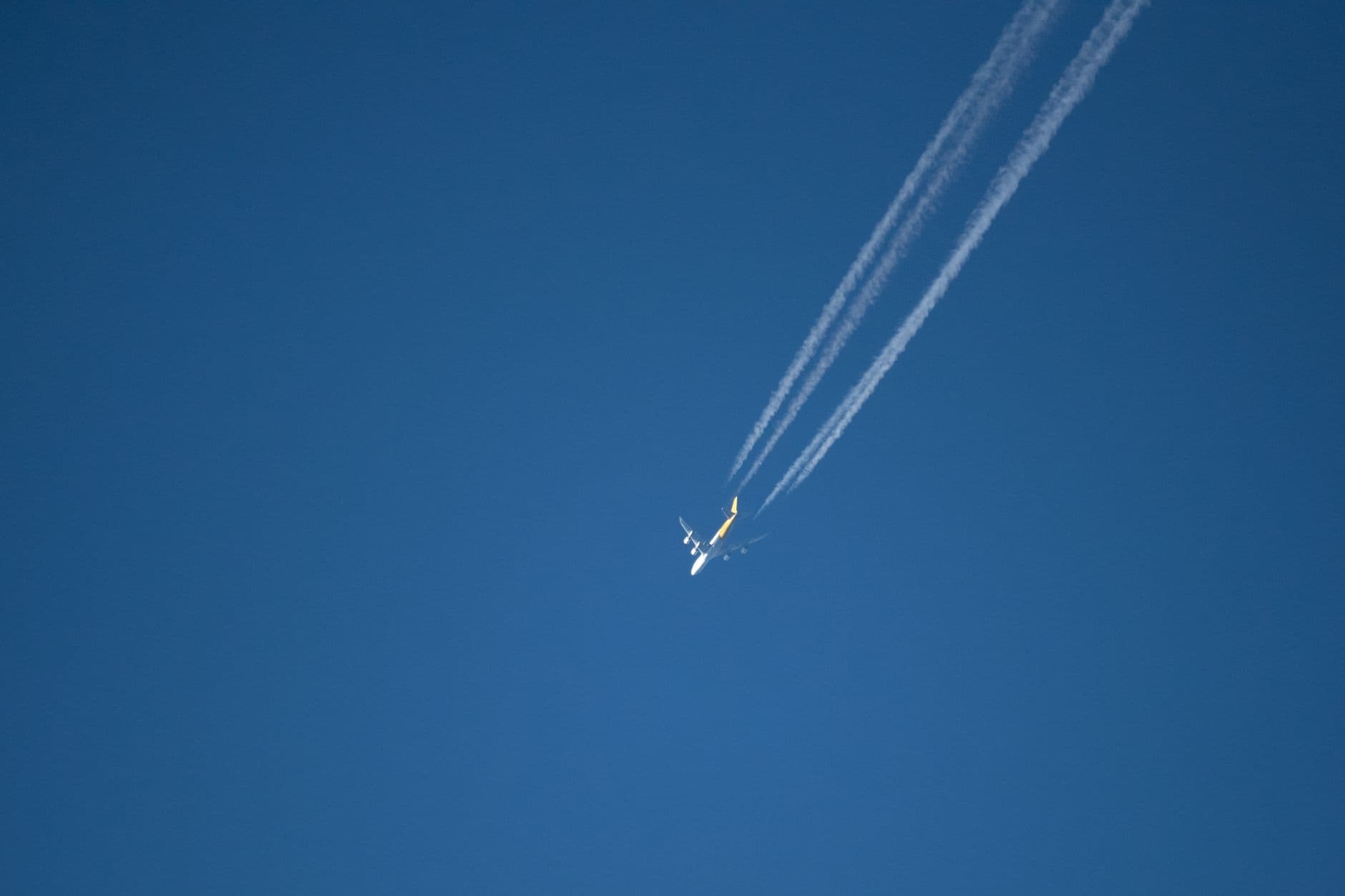
The Efficiency Of Orbital Babysitting
For decades, the brightest minds in aviation have operated under the delusional assumption that the shortest distance between two points is a straight line. We call these 'Great Circle' routes, and they are apparently an affront to the gods of efficiency. Now, thanks to the miracle of Trajectory Based Operations (TBO) and a sky increasingly crowded with Starlink satellites, we can finally abandon the boring predictability of flight corridors for a chaotic, real-time game of atmospheric Frogger.
Instead of flying a pre-planned route like a responsible adult, TBO allows a plane to shimmy and shake across the sky based on 4D data packets sent from a satellite that was launched on a pillar of fire. The logic is flawless. To save a few kilograms of kerosene in a Boeing 787, we simply need to maintain a multi-billion dollar infrastructure of low-earth orbit satellites that require constant replacement. It’s the kind of high-level math that only makes sense if you ignore how rockets actually get into space in the first place.
Riding The Wind Like A Very Heavy Bird
The industry is calling this 'weather-riding.' It sounds poetic, like a surfer catching a wave, until you realize it means a 200-ton metal tube is zig-zagging across the Atlantic to shave four minutes off a flight to Heathrow. By using satellite-enhanced tracking, pilots can now see 'invisible highways' in the sky. These aren't highways in the sense of being paved or useful for anyone not in a cockpit; they are just mathematical abstractions that allow airlines to claim they are 'green' without actually changing their business model.
Sustainable Aviation Fuel (SAF) was the previous darling of the PR department, but it turns out making fuel from old French fry oil is expensive and smells like a drive-thru. TBO is much sexier. It uses 'high-cadence satellite tracking,' which is a fancy way of saying we are watching planes every millisecond to make sure they don't accidentally fly into a headwind. If a plane can save 2% of its fuel by taking a slightly more scenic route suggested by a satellite, that’s a win for the planet, provided you don't count the carbon cost of the Falcon 9 that put the satellite there.
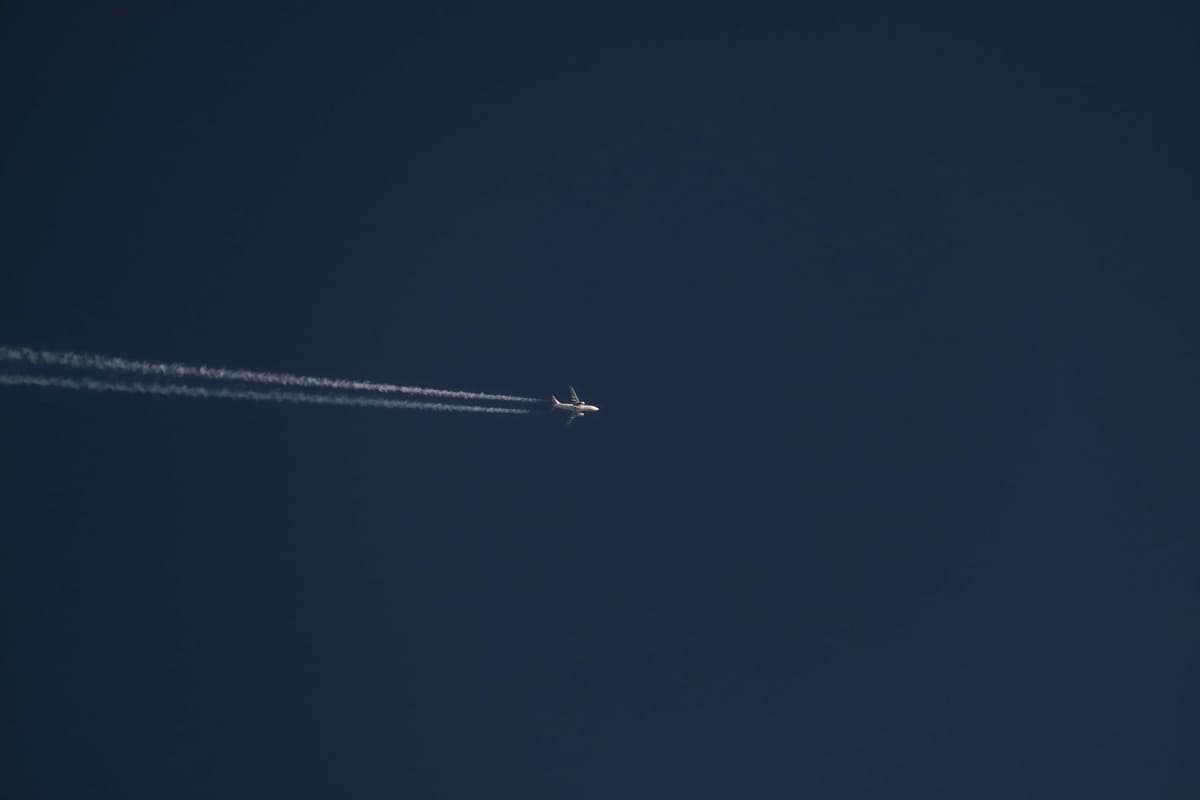
Photo by Francesco Ungaro on Pexels
The Irony Of Low-Earth Clutter
There is a certain aesthetic beauty to the irony here. Astronomers are currently losing their minds because the night sky is becoming a flickering grid of moving lights, making it nearly impossible to spot a planet-killing asteroid. But who cares about the heat death of the universe or an incoming space rock when an Airbus A350 can optimize its descent profile? We are effectively trading our view of the stars for a slightly more efficient way to transport business travelers to regional sales conferences.
By 2030, the goal is to have 'seamless' global TBO. This means no more 'rigid flight corridors,' which were apparently the only thing holding back a golden age of environmental purity. We are replacing human air traffic controllers—who are notoriously prone to wanting things like 'safety' and 'predictable spacing'—with algorithmic flight paths that shift like a school of fish. It’s dynamic. It’s real-time. It’s a software engineer’s fever dream played out at 35,000 feet.
What This Actually Means
What this actually means is that the aviation industry has found a way to make 'doing exactly what they were already doing, but with better GPS' sound like a revolutionary environmental breakthrough. By focusing on 'invisible highways,' they can continue to ignore the fact that burning 15,000 gallons of fuel to move a group of tourists to a resort is inherently hard on the atmosphere. TBO is a digital band-aid on a structural hemorrhage, but it has the benefit of involving Elon Musk, which automatically makes it sound like the future.
We are building a massive, orbital surveillance network to ensure that no tailwind goes un-ridden. It’s a testament to human ingenuity that our solution to a planet-warming crisis is to launch more things into the sky to tell the things already in the sky how to move slightly differently. If we keep optimizing at this rate, we might eventually reach a point where the sheer volume of satellites creates enough shade to cool the earth manually.
In the end, TBO is the perfect corporate solution. It’s expensive, it involves satellites, and it allows everyone to keep their current lifestyle while feeling vaguely superior about their 'optimized trajectory.' We aren't changing the destination; we're just taking a slightly more data-intensive path to get there.
Quick Answers
Does this actually reduce total global emissions?
Technically yes, if you look at the plane in a vacuum and ignore the massive industrial complex required to build and launch the satellite constellation. It’s a win for spreadsheet enthusiasts everywhere.
Will flights become cheaper because of the fuel savings?
No. The cost of the satellite subscriptions and the 'advanced avionics' upgrades will ensure your ticket price remains comfortably high while the airline saves money on the backend.
Is it safe to have planes constantly changing paths in real-time?
Computers are very good at not hitting each other until they aren't. But don't worry, the 'high-cadence tracking' means we'll have a very high-resolution recording of exactly what went wrong.


