
Forget the flashy flint axes, folks. The real unsung heroes of the Stone Age, and incidentally, modern surgery, were humble bits of twine. Yes, the stuff you use to tie up your recycling bin laid the groundwork for complex medical procedures. My mind is blown, and honestly, a little amused. We're talking about a technology so fundamental, so utterly boring to look at, that it makes PowerPoint presentations seem like a thrill ride.
Before Scalpels, There Was String Theory (Not That One)
Let's be honest, when you think "Stone Age innovation," your brain immediately conjures images of some brawny Neanderthal grunting while flaking a piece of obsidian. You picture fire, maybe a really sturdy spear, or a surprisingly ergonomic club. You do not picture a prehistoric Martha Stewart meticulously twisting plant fibers into a delicate thread. Yet, here we are. The 'invisible technologies' of rope, twine, and thread – the fibrous foundation that enabled everything from nets for fishing to, apparently, keeping your insides from becoming outsides.
Imagine the pitch meeting for this revolutionary concept: "Okay, so hear me out. Instead of just letting the wound gape open and, you know, attract flies, we could… pull it together! With… string!" The cave-dwelling investors probably looked at each other like, this guy's crazy. He's trying to sell us glorified grass. But lo and behold, this wasn't just about fashioning a snazzy loincloth; it was about understanding tensile strength, knot mechanics, and the surprisingly complex art of keeping body parts where they belong.
From Mammoth Traps to Minor Incisions
Think about it: the same principles used to construct a trap that could hold a woolly mammoth are, at their core, the same principles used to suture an artery. It's all about tension, friction, and creating a stable, secure connection. Prehistoric humans, bless their un-anesthetized hearts, figured out how to manipulate flexible materials to exert force and maintain integrity. They were essentially mechanical engineers with a really limited toolbox and a lot of time on their hands. Probably while waiting for that mammoth to wander into the trap.
We're talking about basic physics here. The way a knot holds, the way fibers interlock to distribute stress – these are not trivial concepts. And they were mastered without a single textbook, whiteboard, or even a properly brewed cup of coffee. Just sheer, unadulterated, desperate necessity. Because let's face it, if you got a nasty gash from a saber-toothed tiger back then, you weren't popping into an urgent care clinic. You were improvising, probably with a lot of grunting and a little help from your friend who was surprisingly good with reeds.
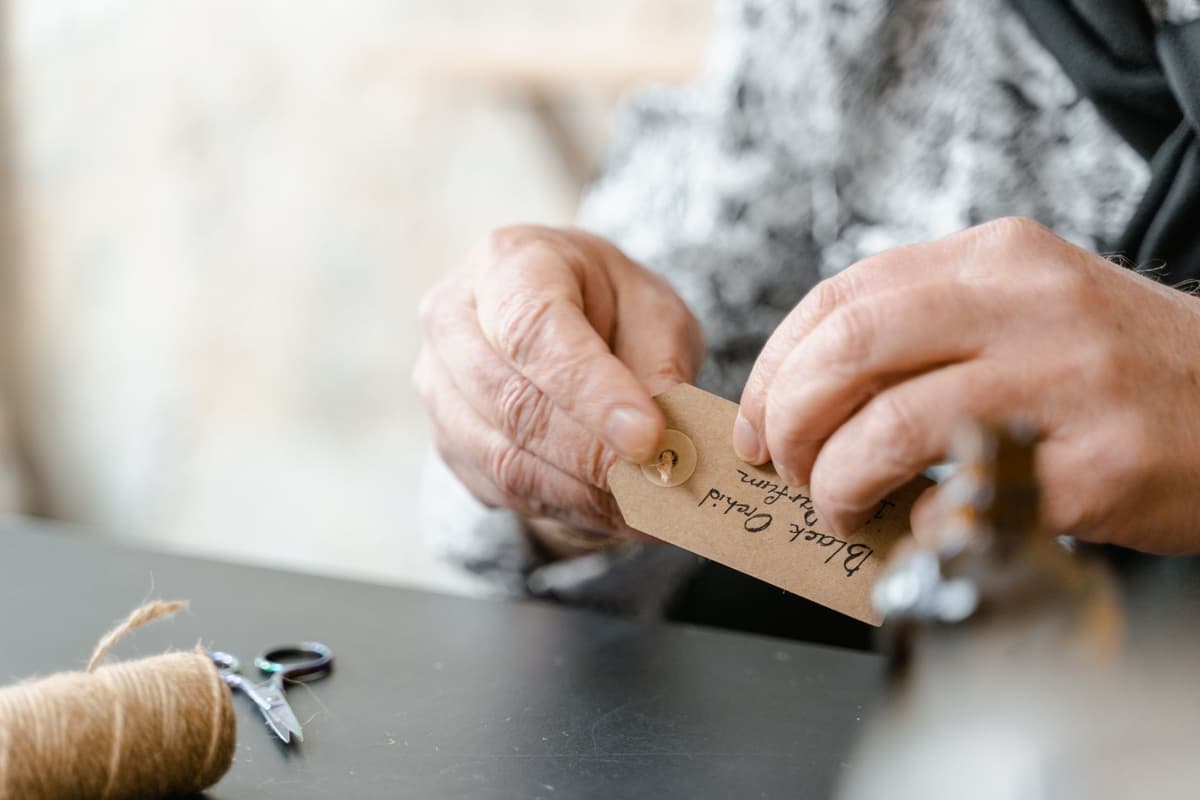
Photo by MART PRODUCTION on Pexels
The Original Analog Revolution
While we're all busy marveling at CRISPR gene editing and robotic surgery, the truth is, a significant chunk of modern medicine still relies on these ancient analog principles. You can have the most high-tech laser scalpel in the world, but eventually, you're going to need to close the patient up. And what do you use? Not a tiny robot with a glue gun, but glorified string and a needle. It's the ultimate mic drop from our ancestors: "Oh, you've got your fancy MRI machines? That's cute. We invented the actual sewing part."
It's like building a rocket ship and realizing you still need a really good staple gun for the internal wiring. The foundational element is so simple, so effective, that billions of years of evolution and millennia of human ingenuity haven't managed to find a significantly better way to hold two edges of flesh together. I mean, sure, the materials are sterile and dissolve now, which is a definite upgrade from whatever unwashed root they were using, but the core idea? Pure Stone Age brilliance.
What This Actually Means
This whole revelation really puts things into perspective. We tend to fetishize 'high-tech' solutions, often overlooking the profound impact of truly fundamental inventions. The next time you see a surgeon expertly stitching up an incision, remember that they're channeling the spirit of some clever cave person who thought, "Hmm, maybe we don't have to bleed out." It's a testament to the enduring power of simple, elegant solutions that transcend millennia.
It also means that if you're ever stranded in the wilderness, knowing how to make a decent piece of twine might just save your life. Forget trying to build a smartphone out of leaves and twigs; focus on the fundamentals. Because when push comes to shove, and your appendix bursts, you'll be thanking your lucky stars for the fibrous foundation laid by people who probably thought indoor plumbing was witchcraft. The original innovators weren't chasing venture capital; they were just trying to survive, and in doing so, they gifted us the bedrock of modern surgical repair. Pretty impressive for a bunch of folks who didn't even have Wi-Fi.
Quick Answers
- What are 'invisible technologies'? These are fundamental inventions, like rope or baskets, that are crucial but often overlooked because they lack the flashiness of tools like weapons or large structures.
- How did prehistoric rope and thread relate to surgery? The mechanical principles for twisting fibers, creating tension, and tying knots to secure objects were directly applicable to wound closure and internal suturing.
- Are these principles still used today? Absolutely. Modern sutures, while made of advanced materials, still rely on the same basic mechanical principles of tension, knot tying, and joining tissue that were figured out millennia ago.
- Why is this significant? It highlights how foundational, 'low-tech' innovations from prehistory underpin even the most advanced modern medical procedures, showing the enduring power of simple, effective solutions.


