Global food fraud is now a $40 billion annual industry, and the front line has quietly migrated from shipping containers to the internet's core addressing system. When domain registries treat Top-Level Domains (TLDs) purely as speculative real estate rather than digital public infrastructure, precision agriculture loses its primary defense against counterfeiting. We are watching the systematic erosion of digital terroir.
For centuries, geographical indications protected consumers. A consumer buying Parmigiano Reggiano or Champagne relied on physical stamps, tightly controlled supply chains, and strict geographic boundaries enforced by treaties. Today, that validation lives in cryptographic provenance chains, API-driven soil sensor feeds, and verified web endpoints attached to regional TLDs. When those digital identifiers are hijacked, squatted on, or deregulated by ICANN auctions, the integrity of the food chain collapses in real time.
The Collapse of Digital Appellation
Precision agriculture relies on direct verification. A specialty olive oil producer in Andalusia or a single-origin coffee cooperative in Huila does not simply sell a physical product anymore. They sell verifiable data: harvest timestamps, batch-level soil acidity records, and microclimate telemetry linked directly to authenticated web addresses.

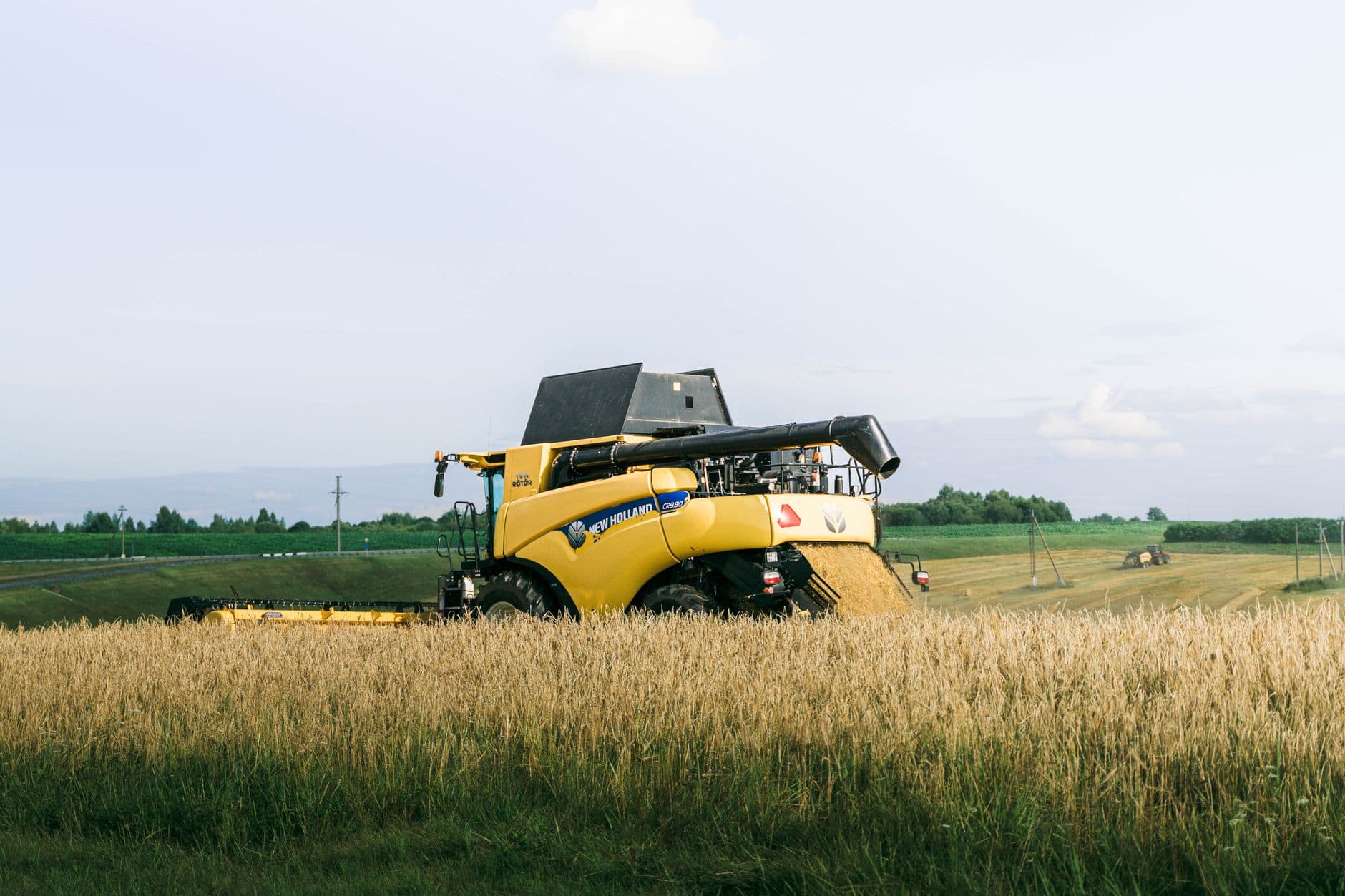
Photo by RDNE Stock project on Pexels
This architecture depends entirely on deterministic trust. When an enterprise supply chain queries a localized domain to authenticate an organic certification, it assumes the domain registry enforces strict identity verification. Instead, the hyper-commercialization of the domain namespace has created an environment where malicious actors, joke buyers, and state-backed agricultural conglomerates can purchase confusingly similar domains, spoof regional certifications, and inject forged provenance records into global enterprise resource planning systems.
The mechanics of this failure are straightforward:
- Registrars sell localized and industry-specific TLDs without identity validation or geographic proof of operation.
- Counterfeiters register high-value regional names to redirect verification APIs to falsified telemetry endpoints.
- Retailers unknowingly import adulterated or non-organic produce authenticated by illegitimate DNS records.
- Authentic smallholders face devastating price suppression when fraudulent produce floods the market under forged digital credentials.
ICANN and the Commercialization of Sovereignty
The root of this crisis sits within internet governance. The structural precedent was set years ago during the controversial rollout of specialized TLDs like .xxx, which proved that ICANN prioritizes market expansion over jurisdictional sensitivity and consumer clarity. That same laissez-faire model now governs agricultural and geographic domains.
By treating the domain space as an infinite commercial frontier rather than critical global infrastructure, governance bodies have allowed speculators to weaponize digital naming conventions. In 2023, independent food safety auditors discovered that over 12% of scanned batch-verification URLs on imported premium produce led to domains with no legal connection to the claimed agricultural cooperative. In several documented instances, regional domains intended for agricultural traceability were acquired by offshore shell corporations executing systematic supply-chain spoofing.
The real-world consequence is not merely brand dilution. It is an immediate public health hazard. When traceability endpoints are compromised, agricultural recalls become impossible to execute accurately. If a salmonella outbreak occurs, tracing a batch back to an infected water table requires inviolable DNS records. If the domain routing that data has been transferred, spoofed, or deregulated, the chain of custody dissolves instantly.
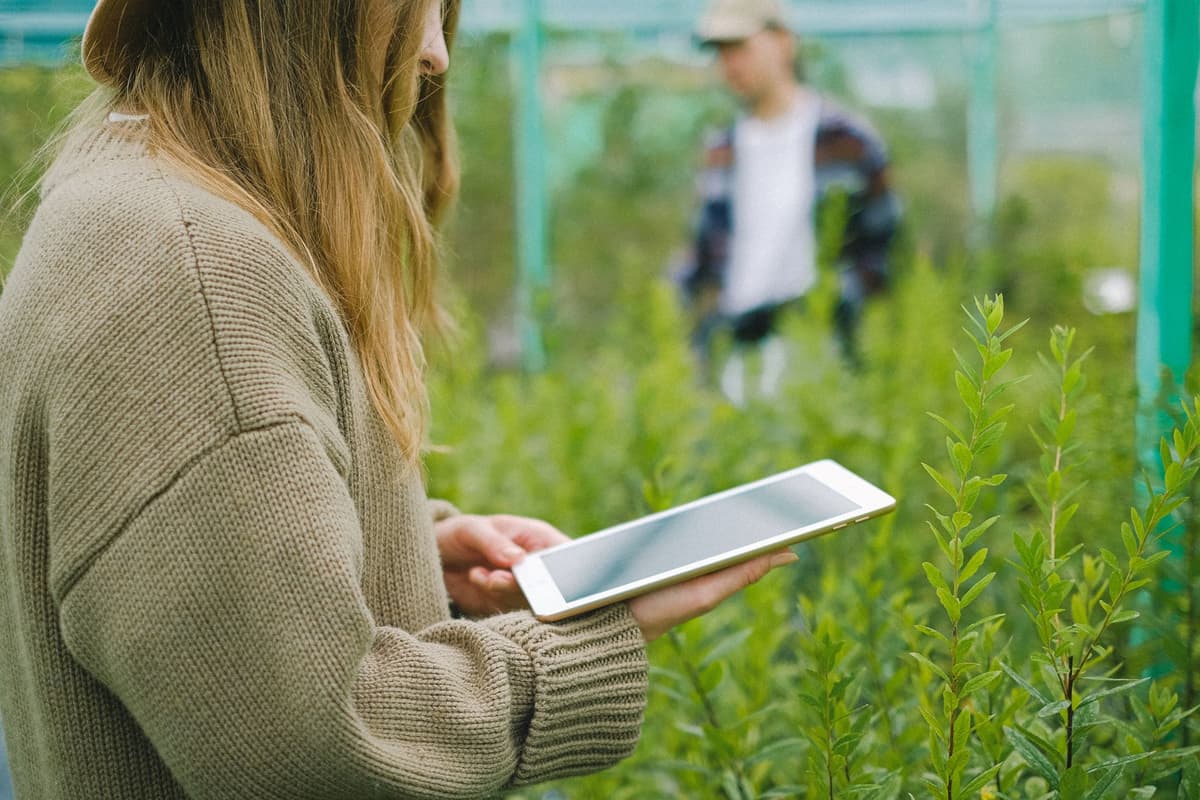
Photo by Anna Shvets on Pexels
What This Actually Means
The concept of terroir has always been rooted in physical soil, climate, and geography. In an industrialized global economy, physical soil cannot protect itself without a secure digital counterpart. Digital terroir requires sovereign protection, strict verification protocols, and enforceable digital borders that align with physical reality.
If international regulatory bodies continue to allow critical supply chain infrastructure to be managed under commercial registrar rules, consumer trust in organic and sustainable food systems will entirely disintegrate. Traceability cannot exist on an insecure foundation.
Governments must begin treating agricultural domain registries as critical food infrastructure rather than digital novelty assets. Until verification is tied to authenticated legal jurisdiction and physical land registries, every QR code on an organic label remains a calculated liability.
Quick Answers
What is digital terroir?
Digital terroir refers to the verified online record of a crop's origin, including microclimate telemetry, soil data, and regional certifications linked to authenticated web endpoints.
How does domain spoofing lead to food fraud?
Counterfeiters buy unverified or visually similar domain names to host fake verification databases, tricking retail supply chains into accepting conventional or contaminated food as premium organic imports.
Why can't private blockchains solve this problem?
Blockchains only verify that data has not been altered after entry; they cannot prevent a fraudulent domain from inputting false data at the point of origin.


