The Most Expensive Game of Tag in History
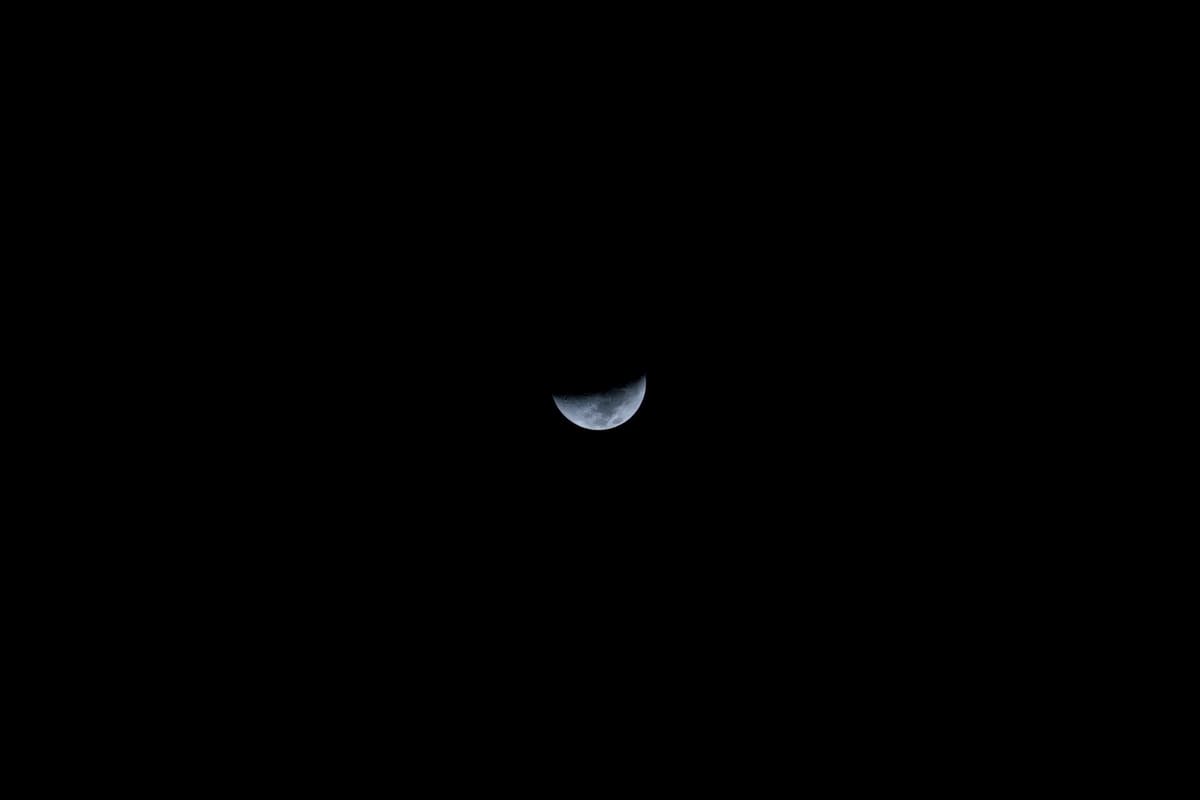
NASA has decided that the best place to set up shop is the South Pole of the Moon, specifically around Shackleton Crater. It is a lovely spot if you enjoy temperatures that hover around -280 degrees Fahrenheit and a landscape that looks like a discarded cigarette butt magnified a million times. The big selling point here is the 'Peaks of Eternal Light,' which sounds like a yoga retreat but is actually just a few jagged ridges where the sun hits at such a shallow angle that it almost never sets. Naturally, the plan is to park our expensive hardware there and hope the solar panels don't get hit by a stray pebble.
The catch is that these peaks are right next to 'Permanently Shadowed Regions' (PSRs), which are essentially cosmic basements that haven't seen a photon since the late Precambrian. We want the ice inside those shadows because lugging Fiji water into orbit costs about $10,000 a pound. So, we’ve engineered a situation where our robots have to live on the rim, dive into the pitch-black abyss to grab a snack of frozen dirt, and then scramble back into the light before their internal circuits turn into popsicles. It’s not so much 'exploration' as it is a high-stakes game of floor-is-lava played by multi-million dollar toasters.
The Asynchronous Power Grid Disaster
In any sane environment, a power grid involves wires. On the Moon, wires are heavy, and heavy is expensive. Instead, the 'design space exploration'—which is engineering-speak for 'we have no idea if this will work'—suggests an asynchronous power strategy. This means robots won't be plugged into anything. They will be mobile batteries chasing the sun. If a rover stops moving to, say, actually do some science, it risks being overtaken by the lunar shadow.
Consider the logistics of a $500 million rover having to calculate its 'shadow-exit velocity' just to survive a Tuesday. The Moon rotates slowly, but the topography at the poles is so jagged that shadows move with a deceptive, predatory grace. Engineers are unironically designing 'sprint cycles' where these machines must abandon their tasks and rush toward the nearest sun-drenched peak like influencers looking for a charging port at an airport. We are building the world's most advanced marathon runners, and their only prize is not dying.
This isn't just a hardware problem; it's a software nightmare. You have to coordinate a fleet of these things so they don't bump into each other while fleeing the darkness. Imagine a traffic jam of autonomous rovers all trying to squeeze onto a single 10-meter strip of illuminated rock at 3 AM. It’s the ultimate expression of human ingenuity: traveling 238,000 miles to experience the same frustration as a commuter blocked by a double-parked delivery truck.
Architecture for People Who Hate Windows
Then there’s the actual 'architecture' of these lunar bases. Because the sun stays so low on the horizon, solar panels can't be laid flat; they have to be vertical, like giant billboards advertising our desperation for electricity. These structures have to be tall enough to catch the light but sturdy enough not to fall over when a micrometeoroid sneezes in their direction. It creates a skyline that looks less like a futuristic utopia and more like a graveyard for oversized flat-screen TVs.
Living inside these shadows means the human occupants—assuming we eventually send people brave or bored enough to go—will be living in a state of permanent architectural anxiety. You can’t just turn on a light; you have to check if the 'Power Rover' made it back from the crater floor with enough juice to keep the oxygen scrubbers running. It’s basically 'The Martian,' but instead of growing potatoes in poop, you’re just staring at a battery percentage icon and praying for a sunrise that takes two weeks to arrive.
What This Actually Means
We are witnessing the birth of a new kind of engineering where 'survival' is a primary design constraint for the power grid itself. Usually, you build a grid to support your life; here, your life is spent supporting the grid. The geometric reality of Shackleton Crater has turned lunar colonization into a logistics puzzle that makes a Manhattan construction project look like a game of Duplo. We aren't conquering the Moon; we're haggling with its shadows for a few extra minutes of uptime.
If the Artemis missions succeed, it won't be because we found a brilliant new way to live in space. It will be because we successfully programmed a bunch of robots to be terrified of the dark. We are spending billions to recreate the feeling of your phone dying when you're ten miles from home without a cable. It’s a bold, expensive, and deeply sarcastic way to prove that humanity can live anywhere, provided we're willing to run fast enough.
Quick Answers
Why not just use long extension cords?
Copper is heavy, and 10 kilometers of industrial-grade cable would cost more to launch than the rover it’s powering, plus it would inevitably get tangled on a moon rock.
Is there really that much ice in the craters?
We think so, but we won't know for sure until a robot survives the 'shadow sprint' long enough to drill a hole without its battery screaming for mercy.
Can't we just use nuclear power?
We could, but putting 'nuclear' and 'launch' in the same sentence makes people nervous, so for now, we're stuck with these high-tech sunflowers that have to run for their lives.


