The World's Most Expensive Participation Trophy
Watching the Commonwealth Games search for a host is like watching a group of friends try to decide who has to drive to the airport at 4:00 AM. Everyone is suddenly very busy, their car is making a weird noise, and they’ve conveniently lost their phone. Victoria, Australia, was the designated driver until they realized the 'airport' was actually a three-week bender that would cost them $6 billion AUD. They didn't just cancel; they basically faked their own death and moved to a different state to avoid the bill. Now Glasgow has stepped in, but only because they’re planning to do it on a budget that suggests the athletes will be sleeping on pull-out sofas and competing for vouchers to a local Nando’s.
The math on these mega-events has always been fuzzy, but now it’s just delusional. We used to believe that building a 50,000-seat stadium for sports that people only watch once every four years—looking at you, netball—was a sound investment in 'brand awareness.' It turns out that 'brand awareness' doesn't pay the electric bill or fix the potholes on Main Street. Governments have finally realized that spending $500 million on a velodrome is a great way to ensure you never get re-elected by people who can't afford rent.
The Architecture of Regret
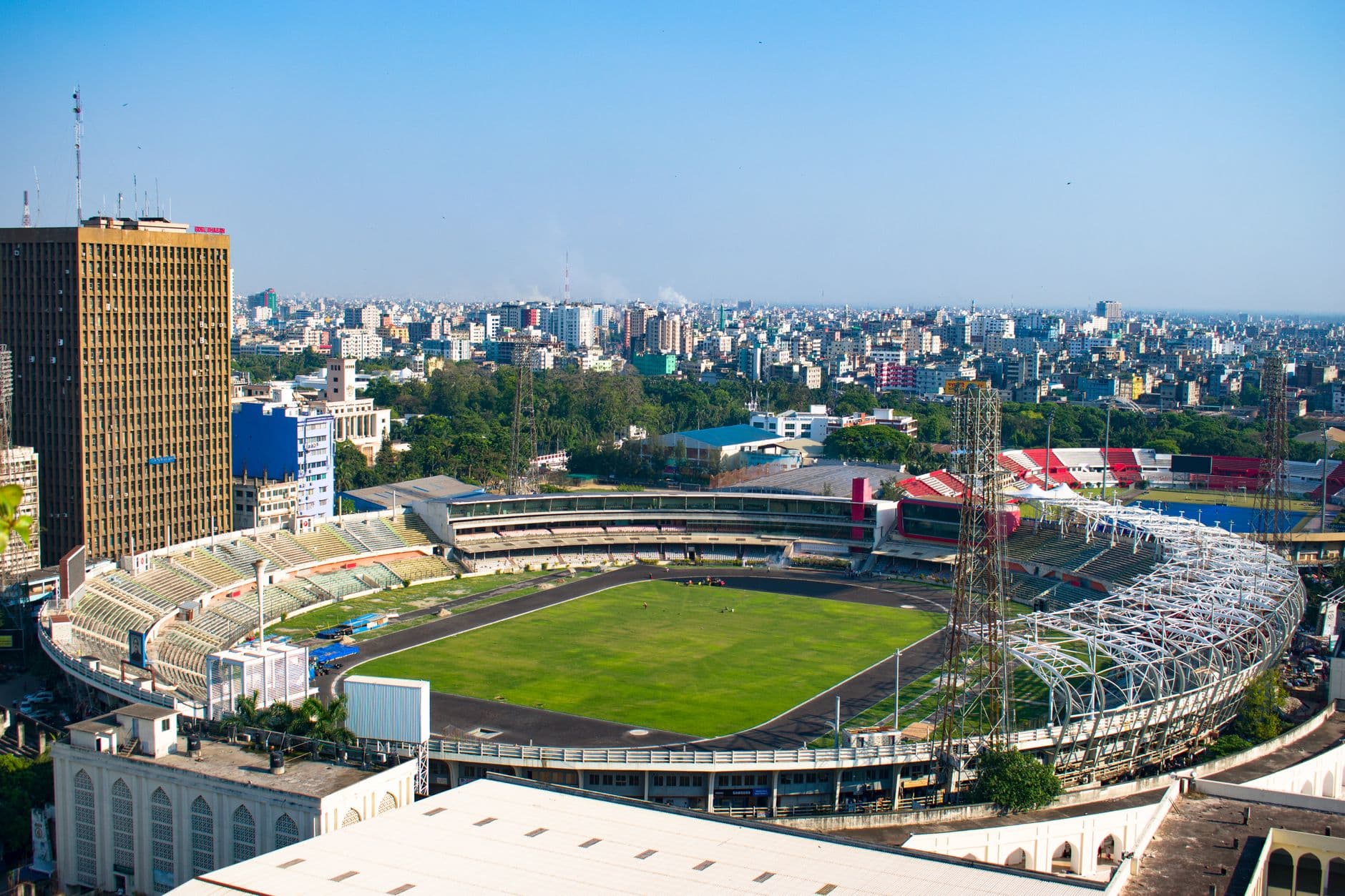
Urban planners used to treat these games like a magical wand that could transform a derelict industrial zone into a shimmering utopia. In reality, it’s more like buying a tuxedo for a toddler: it’s incredibly expensive, it’ll be covered in juice stains within twenty minutes, and they’ll outgrow it before the month is over. We are left with 'White Elephants'—massive, concrete husks that sit in the middle of cities like tombstone markers for a budget that died for no reason.

Take a look at the legacy of past middle-power hosts. You find aquatic centers that cost $50,000 a month just to keep the water blue, despite the fact that the local population mostly uses them to host the occasional awkward sixth-birthday party. The architecture of the Commonwealth Games is the architecture of the 'One-Night Stand.' It’s designed to look great on a 4K drone shot for the opening ceremony, but the moment the cameras leave, the roof starts leaking and the taxpayer starts crying.
Middle-power nations like Malaysia and Canada are looking at these blueprints and seeing a giant middle finger directed at their national debt. They’re pivoting to things that actually matter, like regional security alliances and making sure their bridges don't collapse. It’s hard to justify a $100 million gymnastics hall when you’re worried about maritime borders and the price of eggs. Preening for the ghost of the British Empire just doesn't have the same ROI it used to in 1954.
Soft Power Is a Hard Sell
The theory was that hosting would give a country 'Soft Power,' a term invented by academics to describe the feeling of being the popular kid in class for exactly one week. But true power in 2024 isn't showing the world you can organize a hurdle race; it's showing the world you have a functional power grid and a stable supply chain. The 'prestige' of the Commonwealth Games has the shelf life of an open tuna can in the sun. Nobody remembers who won the gold in lawn bowls three years later, but everyone remembers the city that went bankrupt trying to build the lawn.

Photo by RDNE Stock project on Pexels
We are witnessing the death of the 'Look at Me' era of urban development. For decades, cities were told that to be 'world-class,' they needed a signature event. Now, being world-class means having a transit system that doesn't smell like a locker room and a housing market that doesn't require selling a kidney. The shift is pragmatic, boring, and absolutely necessary. If the Commonwealth Games want to survive, they need to stop acting like a royal wedding and start acting like a potluck dinner in a community center.
What This Actually Means
The era of the 'blank check' sporting event is over, and honestly, good riddance. The fact that the 2026 Games were passed around like a hot potato—or a live grenade—proves that the vanity of nations has finally hit a ceiling. When even the most sports-mad regions on earth say 'no thanks,' you know the business model is broken beyond repair. We are moving toward a 'frugal hosting' model where existing high school gyms and public pools will have to suffice.
This isn't just about sports; it's a fundamental shift in how we view the purpose of a city. A city is a machine for living, not a backdrop for a broadcast. The pivot toward regional security and infrastructure over 'prestige' projects shows that middle powers are finally growing up. They’re realizing that if you want to be respected on the global stage, it’s better to have a surplus in the bank than a gold medal in a sport that involves throwing a heavy ball at some wooden pins.
In the future, the only people hosting these events will be oil states with more money than sense or cities that are so desperate for attention they’d agree to host a gladiator match in a supermarket parking lot. For everyone else, the 'White Elephant' has been sent to the sanctuary. We’re finally prioritizing the people who live in the city over the people who visit it for a fortnight.
Quick Answers
Why did Victoria cancel the 2026 Games?
Because the projected cost ballooned from $2.6 billion to over $6 billion, and the Premier realized he’d rather keep his job than build a temporary stadium in a sheep paddock.
Will the Commonwealth Games be cancelled forever?
Unlikely, but they will become much smaller, cheaper, and probably hosted in places that already have the buildings—think 'glorified track meet' rather than 'global spectacle.'
What happens to the 'White Elephant' stadiums?
Usually, they become very expensive bird sanctuaries or the world’s most depressing skate parks before being demolished twenty years later for a condo development.


