The Boiling Point of Human Stupidity
There was a time, perhaps in the dark ages of 2010, when if you wanted hot water, you walked to the stove and turned a physical knob. It was grueling, manual labor that left our ancestors exhausted and devoid of data. Thankfully, we’ve solved this crisis by introducing the $150 smart kettle, a device that requires a 2.4GHz connection and a 40-page privacy agreement just to achieve 212 degrees Fahrenheit. It turns out that giving a simple heating element the processing power of a mid-90s supercomputer has some minor, almost unnoticeable drawbacks. Like the fact that your tea habit is now a viable entry point for a DDoS attack on the power grid.
Operation Smart Kettle isn't just a catchy name for a security briefing; it’s the punchline to a decade-long joke we’ve been playing on ourselves. We wanted to start the kettle from the bedroom so we could save thirty seconds of standing in the kitchen. In exchange, we’ve handed the keys to our domestic infrastructure to anyone with a basic understanding of Telnet and a grudge. It is the ultimate trade-off: a lukewarm cup of water for the structural integrity of your home network.
The Air Fryer as a Trojan Horse
If the kettle is the scout, the connected air fryer is the heavy infantry. We are currently living through a gold rush of "smart" kitchen appliances where the "smart" part usually just means "has a dangerously unpatched Linux kernel." These devices are built by companies that specialize in non-stick coatings, not network security. When a manufacturer in Shenzhen is trying to shave $0.15 off the production cost of a convection fan, they aren't exactly hiring a red team to stress-test the WPA2 handshake. They are shipping a plastic box that will never, ever receive a firmware update.
- Your air fryer wants to know your location, for some reason.
- It requires access to your contacts to "share recipes."
- The password is likely 'admin' and cannot be changed.
- It will continue to ping a server in a jurisdiction with no extradition laws long after you’ve thrown it in a landfill.
This isn't just about someone burning your nuggets from afar. It’s about the fact that your kitchen is now a cluster of decentralized nodes waiting for a command. We have built a domestic botnet under the guise of crispier potatoes. Your fridge isn't just keeping the milk cold; it’s currently helping to mine Monero or overwhelm a hospital’s server, and it’s doing it while you’re debating whether to buy the organic kale or the regular kind.
Physical Safety as an Afterthought
Software vulnerabilities are one thing when they happen on your laptop. You lose some photos, you cry, you move on. But software vulnerabilities in devices that generate heat are a different flavor of fun. We have effectively bypassed a century of fire safety regulations by layering brittle, buggy code over high-voltage heating elements. Traditional antivirus software is remarkably bad at stopping a physical fire caused by a remote command that tells a kettle to stay on until the plastic melts.

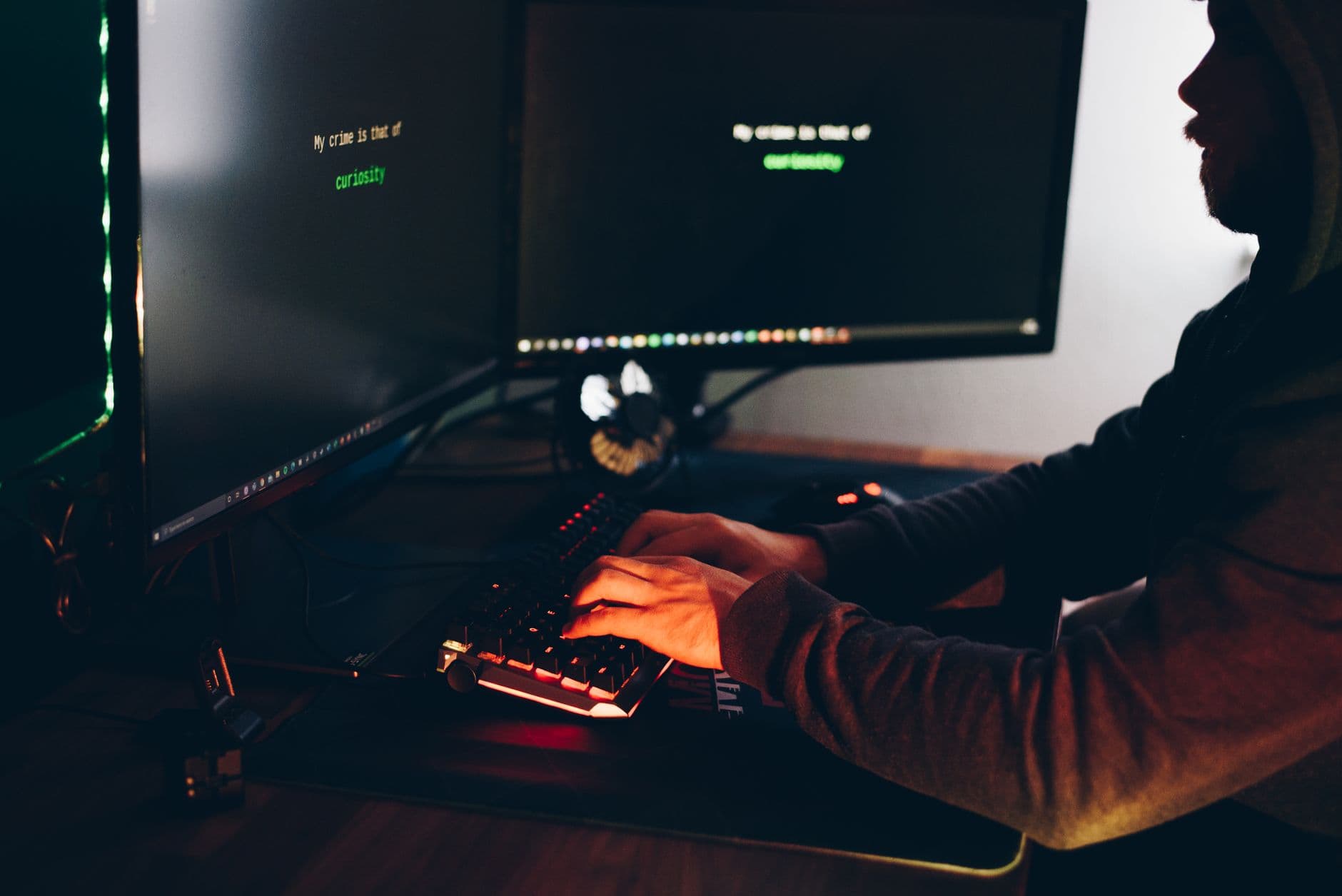
Photo by Max Vakhtbovych on Pexels
The "Caloric Cybersecurity" gap is the space between our desire for a perfectly timed soft-boiled egg and the reality that we are installing unshielded, internet-facing ignition sources in our homes. In 2023, security researchers demonstrated that they could intercept traffic from these devices to pull WiFi passwords in plain text. It’s a beautiful irony: the device you bought to make your life more efficient is the most efficient way to lose your identity.
We are told that the "Internet of Things" will revolutionize the way we eat. And it has. It has made eating a high-stakes game of digital Russian Roulette. We’ve traded the mechanical reliability of a whistle for a push notification that tells us our kettle has been successfully recruited into a global cyber-army. It’s hard to feel like the master of your domain when your toaster is busier than you are, communicating with servers in four different time zones before you’ve even had your first cup of coffee.
What This Actually Means
What this actually means is that we have collectively decided that the effort of pressing a button is an existential threat to our happiness, while the threat of a compromised home network is just a boring technicality. We are living in a transition period where the hardware outlasts the software support by decades. Your cast-iron skillet will last 100 years. Your smart kettle will be a security liability in eighteen months when the startup that made it gets acquired and the servers are shut down, leaving you with a very expensive, very hackable paperweight.
We need to stop pretending that every object in our visual field needs to be sentient. A kettle does not need to "learn your routines." It needs to boil water. By inviting these insecure, under-engineered chips into our kitchens, we aren't just buying appliances; we’re volunteering to be the frontline of a new kind of digital warfare where the casualties are our privacy and, occasionally, our kitchen cabinets. If you can’t operate your kitchen without an app, you don’t have a kitchen; you have a data-collection center that occasionally produces toast.
Next time you’re shopping for a kitchen upgrade, look for the most "low-tech" option available. Look for something with a physical switch that makes a satisfying 'clack' sound. It won't tell you the temperature of the water on your Apple Watch, but it also won't send your banking credentials to a foreign intelligence service. That seems like a fair trade for a cup of tea.
Quick Answers
Can hackers actually burn my house down via my kettle?
Technically, safety cut-offs are hardware-based, but software can often override thermal limits or simply keep the device running until the components fail. It's less a 'fireball' risk and more a 'slow-motion melting' risk.
How do I secure my smart air fryer?
You don't. You put it on a guest network that can't talk to your main computer, or better yet, you realize you don't need an app to fry a chicken wing and you never connect it to the internet in the first place.
Why do companies keep making these things?
Because data is more valuable than the appliance itself. They aren't selling you a kettle; they are selling a subscription to your morning habits and a permanent digital foothold in your living room.


