The Ground Never Truly Forgets
I’ve been staring at seismic maps of the Kilju region for three hours, trying to wrap my head around the idea of a mountain losing its internal integrity. We tend to think of nuclear tests as singular events—a flash, a rumble, a data point for a treaty monitor—but the reality is far more haunting. When North Korea detonated a massive device in September 2017, estimated at roughly 250 kilotons, they didn't just move some dirt; they fundamentally broke the plumbing of the earth.
What fascinates me is that the quakes didn't stop when the test ended. For years afterward, the area has been plagued by "relaxation events." It’s as if the granite itself is trying to find a comfortable position after being hit by a sledgehammer, but it can't quite remember where it used to sit. We are watching the birth of what scientists are calling "anthropogenic faults," and I can't help but wonder if we've accidentally started a geological clock we don't know how to stop.
The Architecture of a Shattered Mountain
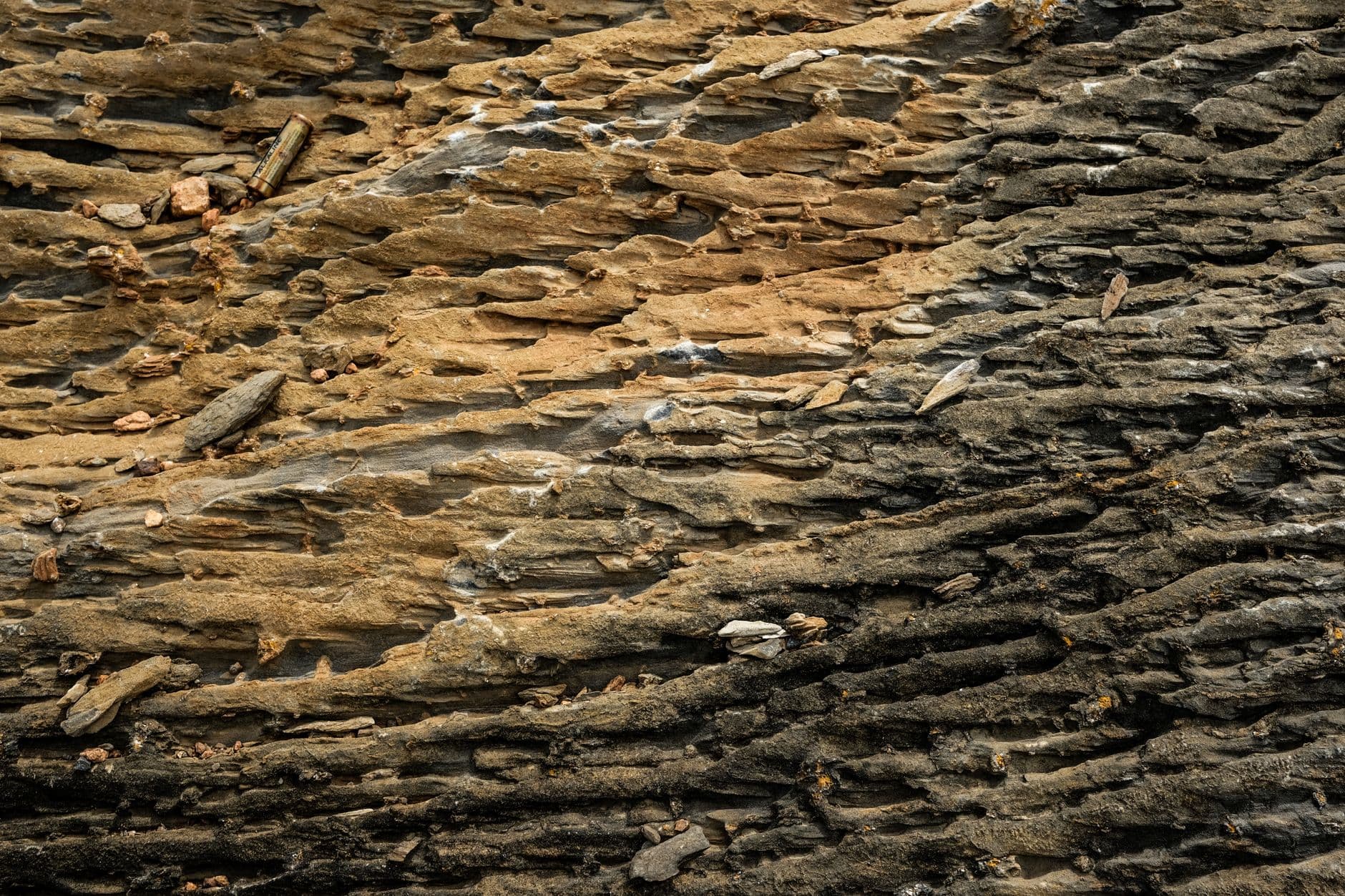
There is a specific kind of horror in the concept of "Tired Mountain Syndrome." This isn't just a clever name; it’s a legitimate geological state where the rock mass becomes so fractured that it loses its structural strength. Imagine a solid block of ice that you’ve tapped repeatedly with a pick—it looks the same until the moment it suddenly turns into slush.
At the Punggye-ri test site, the repeated stress of six underground detonations has created a web of fractures that defy our standard environmental models. Usually, we think of geological change on a scale of millions of years. Here, we did it in a decade. The heat from these blasts is intense enough to melt rock into glass, sealing some fissures while blowing others wide open.
- The 2017 blast was likely 16 times more powerful than the Hiroshima bomb.
- Post-test tremors have been recorded as far as 10 kilometers from the primary blast site.
- Satellite data shows the mountain peak actually sank by nearly two meters after the final test.
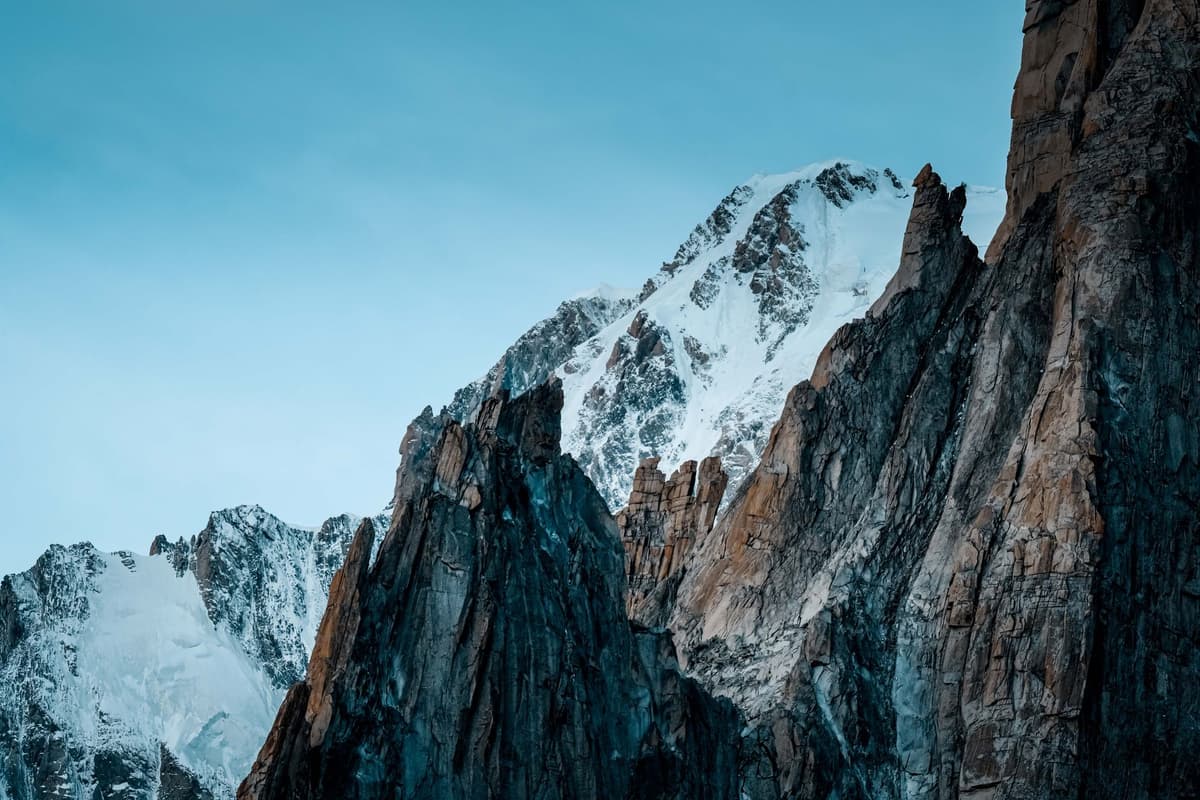
Photo by Francesco Ungaro on Pexels
I wonder what happens to the groundwater in a place like that. If the rock is shattered, the natural barriers that keep radioactive isotopes contained are gone. Are we looking at a future where the crust under our feet becomes a sieve for the very materials we tried to bury? It’s a terrifyingly slow-motion disaster that we can’t actually see, occurring kilometers beneath the surface.
Rethinking the Risk of the Deep Earth
Our current models for nuclear non-proliferation are built on the idea of containment—that if you go deep enough, the earth is a perfect vault. But this assumption feels increasingly naive. If a series of tests can destabilize a tectonic region, then the earth isn't a vault; it's a pressurized vessel.
When we induce these fractures, we aren't just creating local problems. We are messing with the stress distribution of the entire crustal plate. Think about it like a windshield: a single pebble creates a tiny star, but if you keep driving, that star eventually spiders across the whole glass. We don't actually know if these human-induced faults can trigger larger, natural faults nearby.
I find myself falling down a rabbit hole of "what-ifs." If we can cause earthquakes through testing, or through fracking, or through carbon capture storage, at what point does the distinction between "natural" and "human-made" disasters disappear entirely? We are becoming a geological force of nature, but we lack the foresight that usually accompanies that kind of power.
What This Actually Means
This isn't just a story about a rogue nation and some old tunnels. It’s a revelation that our impact on the planet is no longer just atmospheric or oceanic—it is foundational. We have moved from polluting the surface to literally breaking the crust. The persistent seismic activity in North Korea is a warning that our technological reach has outpaced our geological understanding.
We need to stop treating the deep earth as a passive dumpster for our most dangerous experiments. If the ground can stay "angry" for seven years after a single event, we are playing a game with variables we haven't even named yet. The Anthropogenic Fault is a permanent signature of our presence, a scar that will outlast our civilizations.
Ultimately, I’m left wondering if we will ever be able to heal these fractures, or if we’ve simply accepted that the price of power is a planet that literally trembles beneath us. We are rewriting the literal map of the world, one fracture at a time, and the earth is screaming back in a language made of seismic waves.
Quick Answers
Can these man-made earthquakes be stopped?
No, because they are the result of the earth rebalancing internal stresses caused by the initial explosion. We can't "un-crack" a mountain once the structural integrity is compromised.
Is the radiation leaking out of these faults?
It’s a major concern, as new fractures can create pathways for radioactive gases like Xenon to reach the surface. Monitoring is difficult because the sites are often in restricted or inaccessible areas.
Do these tests affect global tectonic plates?
While the tests are massive, they are still small compared to global plate movements. However, they can absolutely trigger local faults that were already under stress, acting as the final straw for a regional earthquake.