The Weaponization of Firmware
For decades, the consumer printer has served as the Trojan horse of the hardware world. Manufacturers sell the chassis at a loss, or near-loss, only to recoup the margins through proprietary ink cartridges that cost more per ounce than vintage champagne or human blood. This is the razor-and-blade model taken to a pathological extreme. When a device you paid for refuses to scan a document because it is low on yellow ink—a color unnecessary for a grayscale scan—you are no longer an owner. You are a tenant in a high-tech tenement.
This hostility reached a breaking point with the introduction of ink subscriptions. Companies now ship printers that require a persistent internet connection to function, allowing them to remotely disable the hardware if a monthly payment fails. It is a calculated removal of agency. By locking the physical machine behind a digital gate, manufacturers have effectively ended the era of the appliance and replaced it with a service contract masquerading as plastic and silicon.
The Architecture of Defiance
The viral interest in DIY printing hardware, specifically projects like the "OpenScan" or various RepRap-adjacent paper printers, represents a fundamental shift in consumer psychology. People are no longer looking for the cheapest entry point; they are looking for the most durable exit strategy. Building a printer from scratch using off-the-shelf stepper motors, an Arduino or Raspberry Pi controller, and 3D-printed frames removes the kill switch. There is no corporate server to check in with. There is no DRM chip on the ink reservoir.
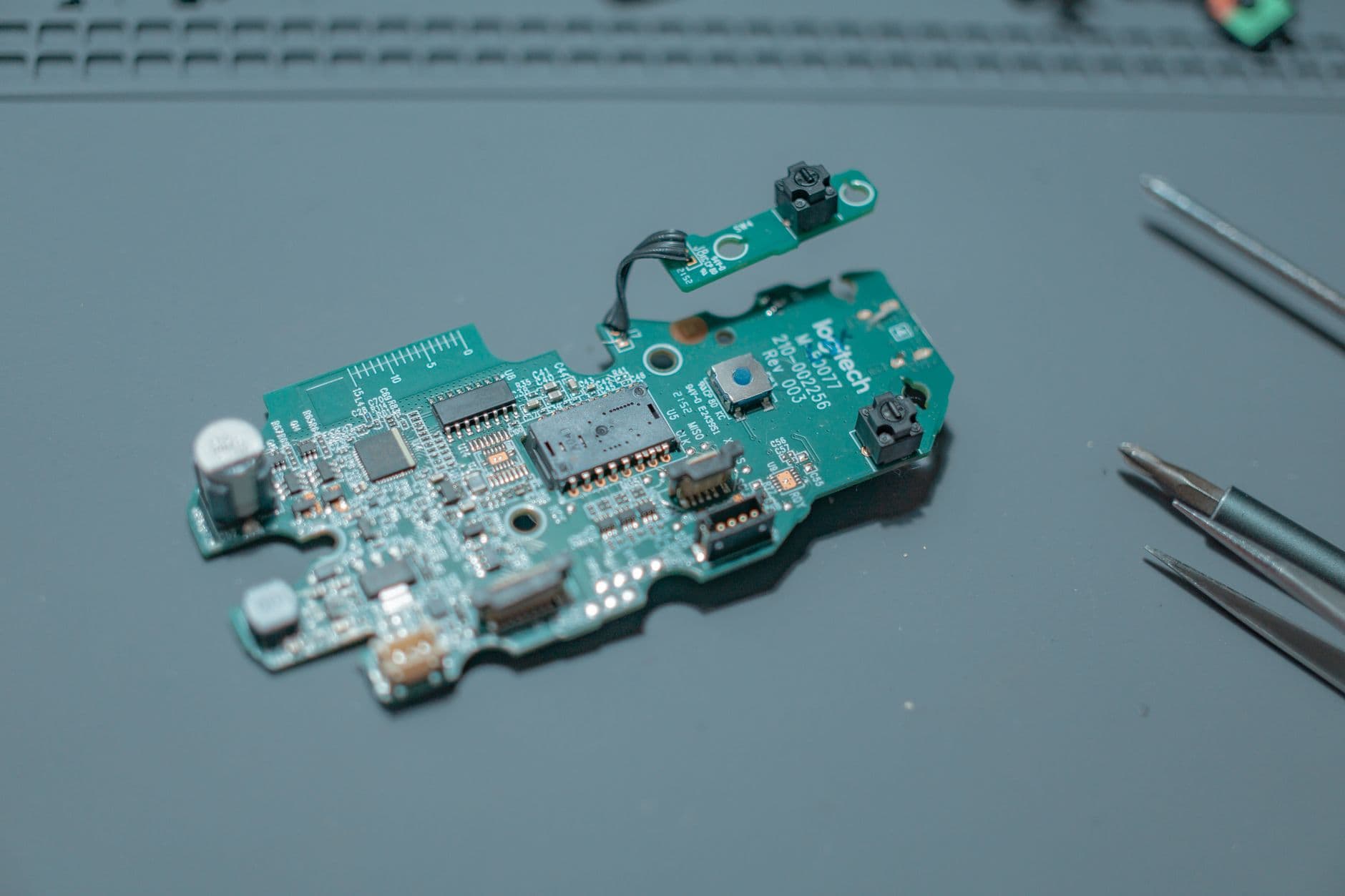
This is modular infrastructure. In a DIY build, the print head is a discrete component that can be replaced for $20 without discarding the entire machine. The logic board is transparent, running open-source code that the user controls. When a part breaks in a $100 retail printer, the device is e-waste because the labor to repair it exceeds its replacement value. In a modular build, the failure of a single belt or gear is a five-minute maintenance task. We are seeing a return to the ethos of the 1970s mainframe or the mid-century automobile, where the machine was an asset to be maintained, not a consumable to be exhausted.
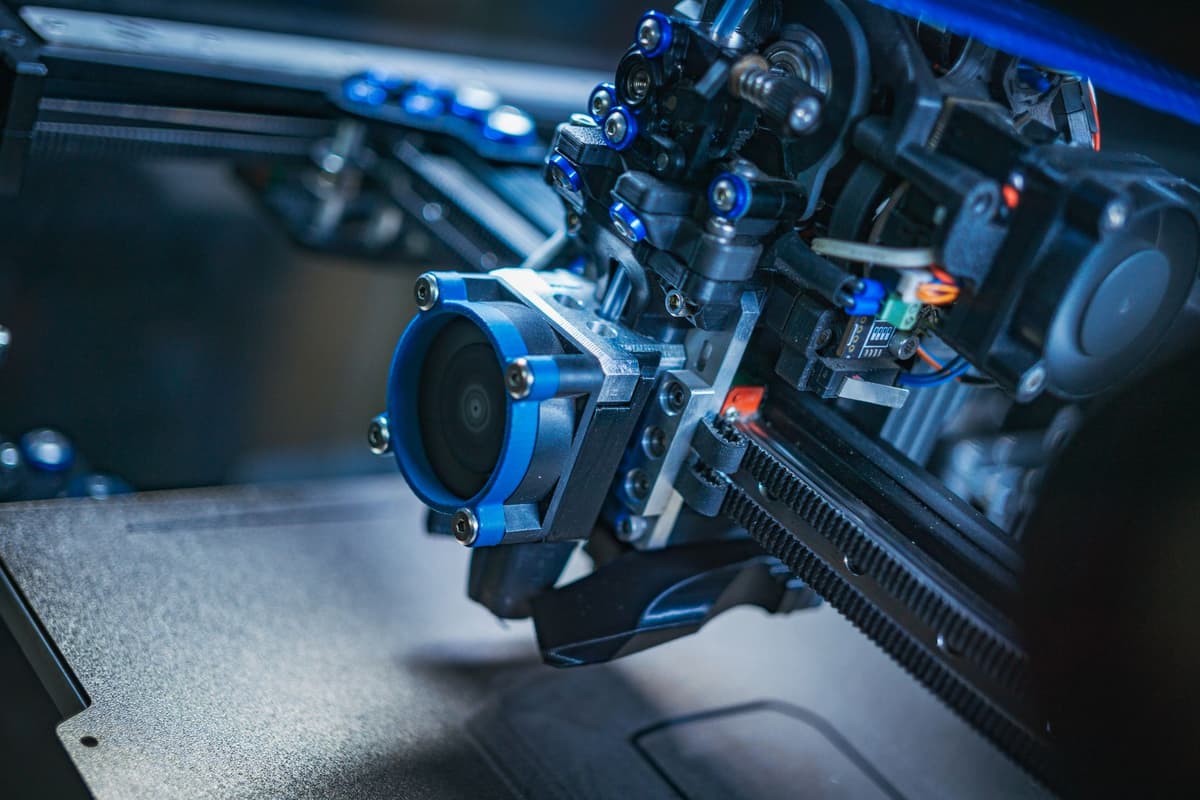
Photo by FOX ^.ᆽ.^= ∫ on Pexels
Economic Logic Over Convenience
The argument against DIY hardware has always been one of convenience. Critics point out that it takes forty hours to source parts and calibrate a home-built machine, whereas a retail unit works in five minutes. This is a short-term calculation that ignores the long-term tax of planned obsolescence. If a retail printer lasts two years before a firmware update renders third-party ink unusable, the total cost of ownership skyrockets. A self-built machine that lasts ten years with $50 in total maintenance is the superior financial instrument.
Furthermore, the open-source movement provides a hedge against the inevitable decay of corporate support. When a manufacturer decides a model is "end of life," they stop updating drivers. Suddenly, your perfectly functional hardware cannot communicate with a new operating system. Open-source hardware relies on community-maintained standards. As long as there is a community of users, the drivers will exist. You are buying into a shared ecosystem of utility rather than a closed ecosystem of exploitation.
What This Actually Means
The movement toward DIY printers is a precursor to a broader rebellion against the "Everything as a Service" economy. We are seeing the same patterns emerge in the world of mechanical keyboards, home servers, and even electric bicycles. Consumers are beginning to realize that the convenience of a polished, sealed box is a trap. The seal on the box is not there to protect the components; it is there to keep the owner out.
By treating the printer as a piece of long-term infrastructure rather than a disposable gadget, we are reclaiming the right to exist outside of a subscription. This isn't about the joy of soldering or the aesthetics of exposed wires. It is a cold, rational response to a market that has become predatory. The goal is a tool that works because you told it to, not because a server in a different time zone gave it permission.
Ultimately, the transition to open-source hardware is an admission that the traditional consumer relationship is broken. When the industry refuses to provide a fair product, the only remaining option is to build it yourself. Sovereignty over our tools is the only way to ensure they remain tools rather than tethers.
Quick Answers
Is building a printer actually cheaper?
In the short term, no, because of the high cost of individual parts and your time. In the long term, yes, because you bypass the 500% markup on proprietary ink and the need to replace the entire unit every three years.
Do I need an engineering degree to do this?
No, but you need a high tolerance for troubleshooting. The open-source community provides the blueprints, but the assembly requires manual dexterity and the ability to follow complex technical documentation.
What is the biggest risk of DIY hardware?
Stability is the primary challenge. Without the industrial quality control of a factory, your first few prints will likely fail until the machine is properly calibrated and the tension in the belts is tuned perfectly.