The Sexy Allure of a Spreadsheet Over a Shrub
Nobody grows up wanting to be the person who identifies rare sedges in a swamp for thirty grand a year. We’ve built a civilization where the person who designs a button that makes a food delivery app slightly more addictive makes ten times more than the person responsible for ensuring that wheat doesn't spontaneously combust when the thermometer hits 100 degrees. It’s a bold strategy, honestly. We are essentially betting that we can eat software if the crops fail.
Joey Santore, the mastermind behind Crime Pays but Botany Doesn't, is currently the only person making plants sound interesting, mostly because he treats a rare Eriogonum like a crime scene in the Bronx. He’s out there screaming at a cliffside about basal rosettes while the rest of the world is trying to figure out how to pivot to AI. We have devalued the study of plants to the point where it’s basically a hobby for people who inherited a house and don't mind dirt under their fingernails.
If you want to feel a cold chill down your spine, look at the job boards. A mid-level marketing manager at a firm that sells artisanal salt can pull six figures. A field botanist tasked with finding Wild Crop Relatives (WCRs)—the genetic 'rugged outdoorsmen' of the plant world—is lucky if they get a per diem that covers a soggy ham sandwich. We are effectively paying the people who guard our future food supply in 'exposure' and mosquito bites.
The Wild Relatives Are the Only Ones With Social Skills
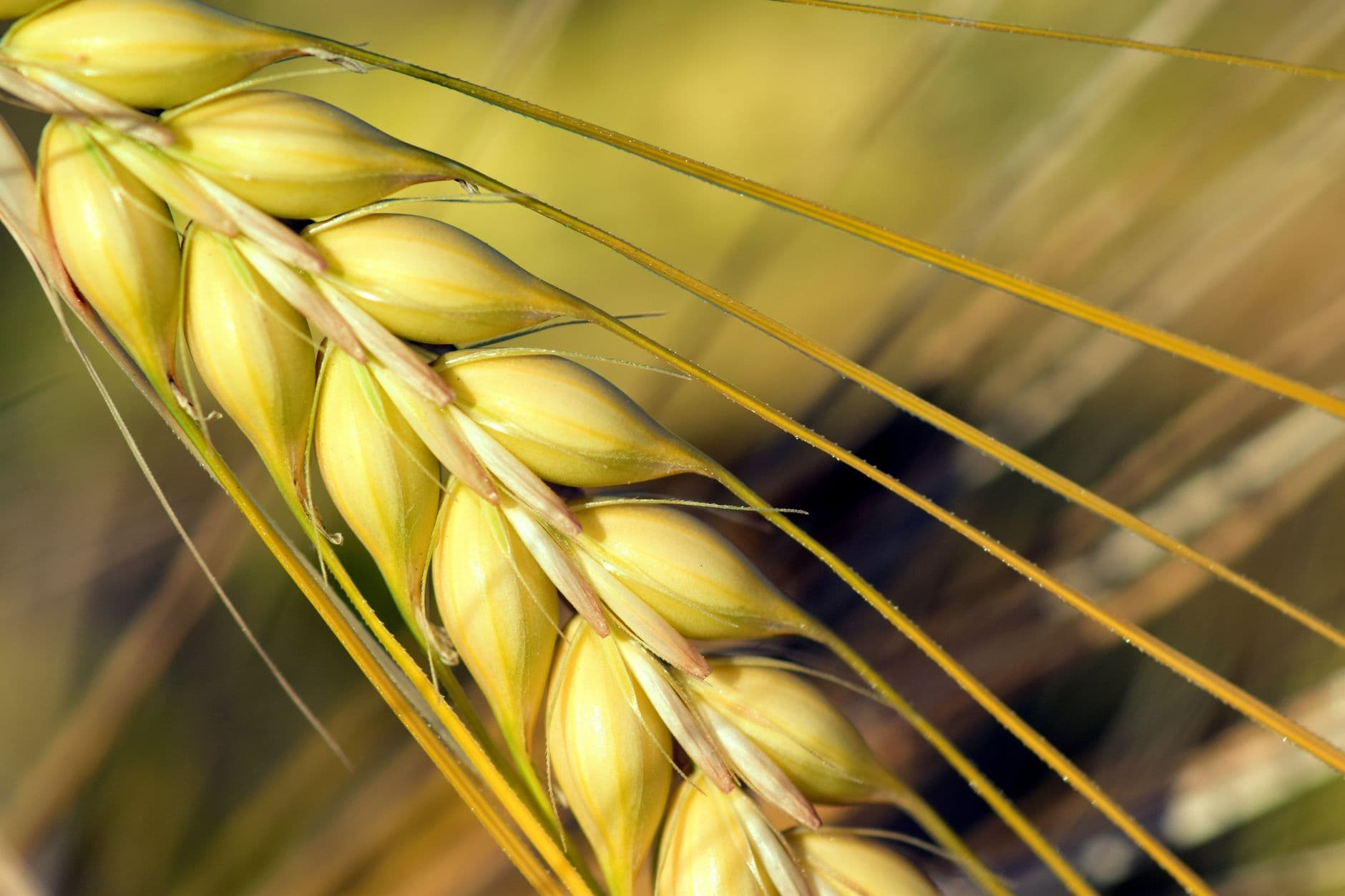
Think of Wild Crop Relatives as the weird, survivalist cousins of our pampered supermarket vegetables. Our modern corn is basically a pug; it’s cute, we love it, but if you left it alone in the woods for twenty minutes, it would die of a panic attack. WCRs, on the other hand, are the grizzled survivalists living in a bunker in the mountains. They know how to handle droughts, pests, and soil that tastes like battery acid.
We need their genes to 'climate-proof' our food. But here’s the catch: you have to actually find them first. You can’t just Google 'where is the wild potato that likes heat.' You need a human being with a hat, a magnifying glass, and the patience of a saint to trek into the middle of nowhere and say, "Hey, look, a Solanum species that doesn't mind that the sun is currently melting the pavement."
Photo by ThisIsEngineering on Pexels
The problem is that we’ve stopped training these people. University botany departments are being folded into 'General Biology' or 'Life Sciences,' which is academic code for 'we are selling the greenhouses to build a new stadium.' We are losing the 'taxonomic expertise'—the ability to tell one green blur from another—at the exact moment the planet is turning into a convection oven.
A Knowledge Gap Large Enough to Fit a Combine Harvester
We are currently facing a 'botanical capacity' crisis that is legitimately hilarious if you don't enjoy eating. In the US, the number of botany degrees awarded has dropped by about 50% since the 1980s. We have more people who can explain the lore of the Marvel Cinematic Universe than people who can identify a wild relative of a chickpea in the field. If Thanos snapped his fingers and half the botanists disappeared, the other three guys would be really overworked.
Without these specialists, we are flying blind. We are trying to build the agriculture of 2050 using a library where half the books have been replaced by blank pages. If we can't identify the wild plants that hold the keys to heat tolerance or salt resistance, we can't breed them into our crops. We’re essentially trying to win a game of Pokemon without a Pokedex, and the stakes are that everyone gets scurvy.
It’s not just about the science; it’s about the sheer absurdity of our priorities. We have spent billions of dollars figuring out how to make a lab-grown burger taste 4% more like a cow, but we won't spend a fraction of that to make sure the plants that feed the cows don't shrivel up and die. It’s like buying a $10,000 espresso machine for a house that is currently on fire.
What This Actually Means
What this actually means is that our food security is currently being held together by a few hundred aging experts and a guy on YouTube with a heavy accent. We have commodified every part of the food chain except the foundation. We’ve spent forty years perfecting the logistics of moving a strawberry from Chile to Chicago in January, but we forgot to check if the strawberry's great-great-grandfather is still alive to provide the genes for the next heatwave.
We need to make botany 'pay' again, or at least make it pay better than a lemonade stand. This isn't just a niche academic complaint; it’s a fundamental infrastructure failure. If we don't start valuing the people who understand the green stuff coming out of the ground, we’re going to find out the hard way that you can't eat a high-frequency trading algorithm.
Ultimately, we’re at a crossroads. We can either reinvest in the unglamorous, muddy work of field botany, or we can continue our current path and hope that when the wheat stops growing, we can find a way to ferment TikTok trends into a calorie-dense paste. I, for one, would prefer the bread.
Quick Answers
Why can't AI just identify the plants?
AI is great at identifying a hot dog or a cat, but it struggles with two nearly identical species of wild grass in a blurry photo taken in a rainstorm. You still need a human to go to the physical location, collect the seeds, and not get eaten by a bear.
Is it really that bad?
Yes. We have lost significant 'taxonomic literacy' in the last three decades, meaning the people who know how to classify the natural world are retiring and no one is replacing them because the pay is insulting.
What are Wild Crop Relatives anyway?
They are the undomesticated ancestors of our food crops. They have the 'tough' genes that our pampered, high-yield crops lost during thousands of years of human coddling.