
Behold, The Dawn of Pocketable Obsolescence
We live in an age of unparalleled technological marvels. Devices so thin they threaten to become one with the ether, so seamless they’re practically inert. And what do we, the enlightened consumers, do with these miracles of sealed-glass perfection? We worship them, of course. We cradle them in specially designed pouches, guard them with tempered glass shields, and recoil in horror at the slightest smudge. Because, naturally, the pinnacle of human achievement is a device that cannot, under any circumstances, be opened. Ever. Not even for a peek.
But wait. What’s this? A whisper in the wind? A faint metallic scent wafting from the forgotten corners of the internet? It appears some of us are developing a rash. A rash brought on by too much sleekness, too much uniformity, too much… utter uselessness when a single component decides to take a permanent nap. And thus, the Altoids Project is born, a daring, revolutionary, and frankly, hilarious act of defiance against the tyranny of the unibody.
Hardware Origami: Because Snapping Plastic is So Last Century
These brave souls, these digital artisans, are taking perfectly good mint tins – you know, the ones that used to hold mints – and performing what can only be described as extreme surgery. They’re not just repairing devices; they’re reimagining them within the charmingly restrictive confines of a vintage candy receptacle. It’s not just about slapping some circuits together; it’s about the aesthetic. The ‘hardware origami,’ as it’s so poetically put. It’s about the satisfying snap of a lid closing on a meticulously arranged collection of wires and boards, a sound that is, I assure you, far more gratifying than the silent, soul-crushing thunk of an iPhone battery refusing to be replaced.
This isn't just tinkering; it's a statement. A bold, tin-plated declaration that we, the users, are not merely passive recipients of pre-ordained digital destiny. We are creators! We are engineers! We are… people who really like Altoids and have too much time on their hands. The constraints are the point. The challenge of fitting a Raspberry Pi, a tiny screen, and God knows what else into a space barely larger than a deck of cards forces a level of ingenuity that simply doesn't exist when you're handed a perfectly engineered, yet hopelessly sealed, monolith.
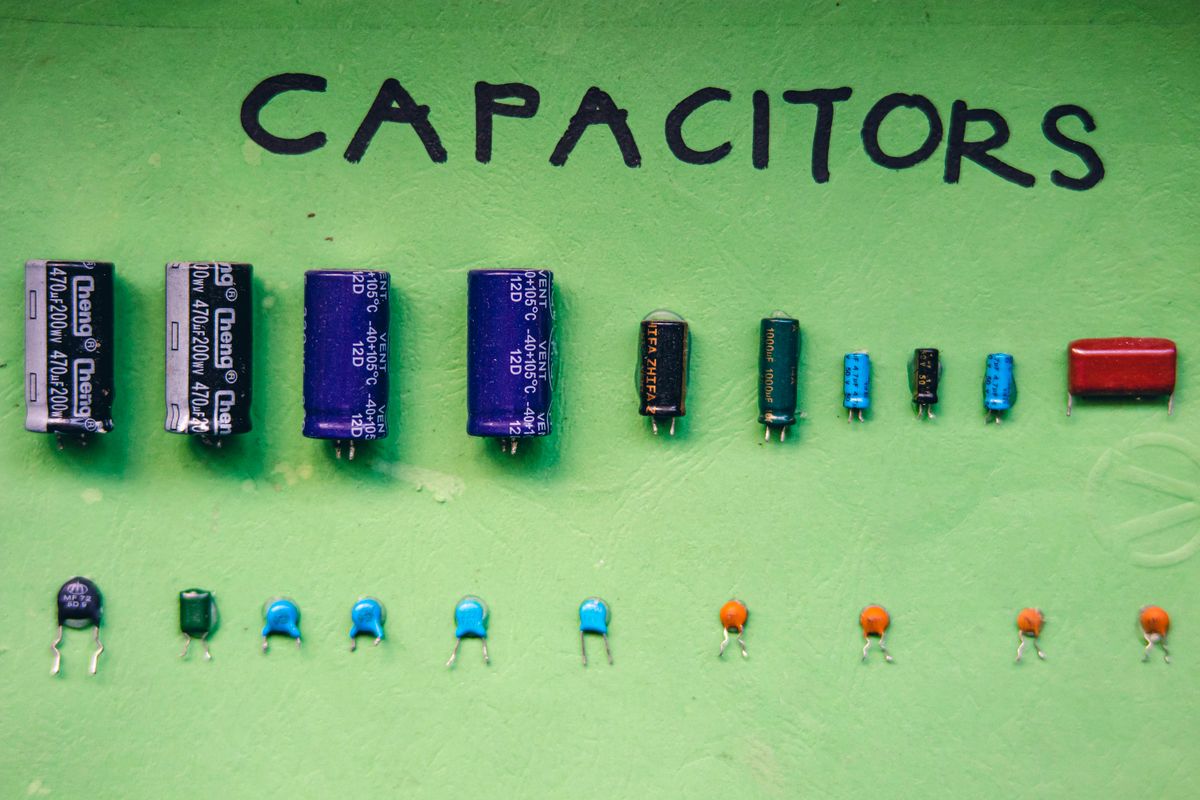
Photo by Nothing Ahead on Pexels
The Allure of the Tactile (and the Mildly Inconvenient)
What’s so appealing about this whole 'mint tin computer' phenomenon? For starters, it’s the antithesis of the disposable culture we’ve cultivated. When your $1,500 smartphone becomes a $1,500 paperweight because the charging port gave up the ghost, you tend to develop a certain… resentment. The Altoids Project, and its ilk, offer a glimmer of hope: the hope that perhaps, just perhaps, you might be able to fix it yourself. Or at least replace the mint tin when it inevitably gets crushed in your pocket. The tactile nature is key. You can feel the components. You can see the connections. It’s not some abstract, untouchable entity. It's a physical object, with physical limitations, that you can physically interact with.
It’s also about the whimsy. Let’s be honest, nobody needs a portable media player shaped like a tin of wintergreen. But it’s fun. It’s a conversation starter. It’s a testament to the fact that technology doesn't have to be relentlessly serious and soul-crushing. It can be playful. It can be eccentric. It can be a little bit silly. And in a world increasingly dominated by the sterile, the predictable, and the utterly unfixable, a little bit of playful absurdity packed into a metal box suddenly seems like the most advanced technology of all.
The 'Sealed Glass Slab' and Its Discontents
The 'sealed glass slab' design, while undoubtedly aesthetically pleasing to some, has created a generation of consumers who are utterly divorced from the inner workings of their most personal devices. We’ve outsourced our understanding of technology to corporate engineers, accepting that our gadgets are essentially magic boxes. When they break, which they are designed to do, our only recourse is to discard them and purchase a new one. This is not innovation; it’s a remarkably effective business model. The Altoids Project, in its earnest, almost naive way, is a direct challenge to this paradigm.
It forces a confrontation with the physical. It celebrates the modular, the hackable, the eminently tinkerable. It suggests that perhaps the most valuable aspect of a device isn't its ethereal connectivity or its impossibly thin profile, but its inherent possibility for modification and repair. The Altoids Project isn't just about building cool stuff; it's about reclaiming a sense of agency in a world that increasingly dictates how and when we consume and discard technology.
What This Actually Means
Look, nobody’s seriously suggesting we all start soldering circuit boards into tins of peppermints and calling it a day. The practicality is, frankly, abysmal for most people. But the sentiment? That’s potent. It’s the quiet groan of a consumer base realizing that 'sleek' often means 'unserviceable' and 'innovative' can sometimes just mean 'more expensive and disposable.' The Altoids Project is a tiny, minty middle finger to planned obsolescence and the cult of the unibody. It’s a reminder that with enough ingenuity and a willingness to ignore warranty voiding, the limitations of a small metal box can be a far more inspiring playground than the boundless, yet ultimately restrictive, expanse of proprietary design.
It’s a beautiful irony, isn’t it? That a humble tin, designed to hold breath-freshening candies, has become a symbol of technological rebellion. It’s a testament to human ingenuity, a nod to nostalgia, and a stark, albeit charming, critique of the disposable gadget culture we’ve all passively accepted. So, next time you finish your Altoids, consider not tossing the tin. You might just have the makings of something far more interesting than the latest sealed slab.
Quick Answers
What is the Altoids Project?
It's a subculture of hobbyists who build small electronic devices, often computers, inside empty Altoids tins, embracing a DIY and repairable aesthetic.
Why is it a rebellion?
It rebels against the sealed, unibody designs of modern gadgets, prioritizing tactile interaction, repairability, and whimsical physical constraints over sleek, disposable perfection.
Is this practical for everyday use?
For most people, no. It's more about the creative challenge, the learning experience, and the statement it makes about consumer technology rather than everyday utility.


